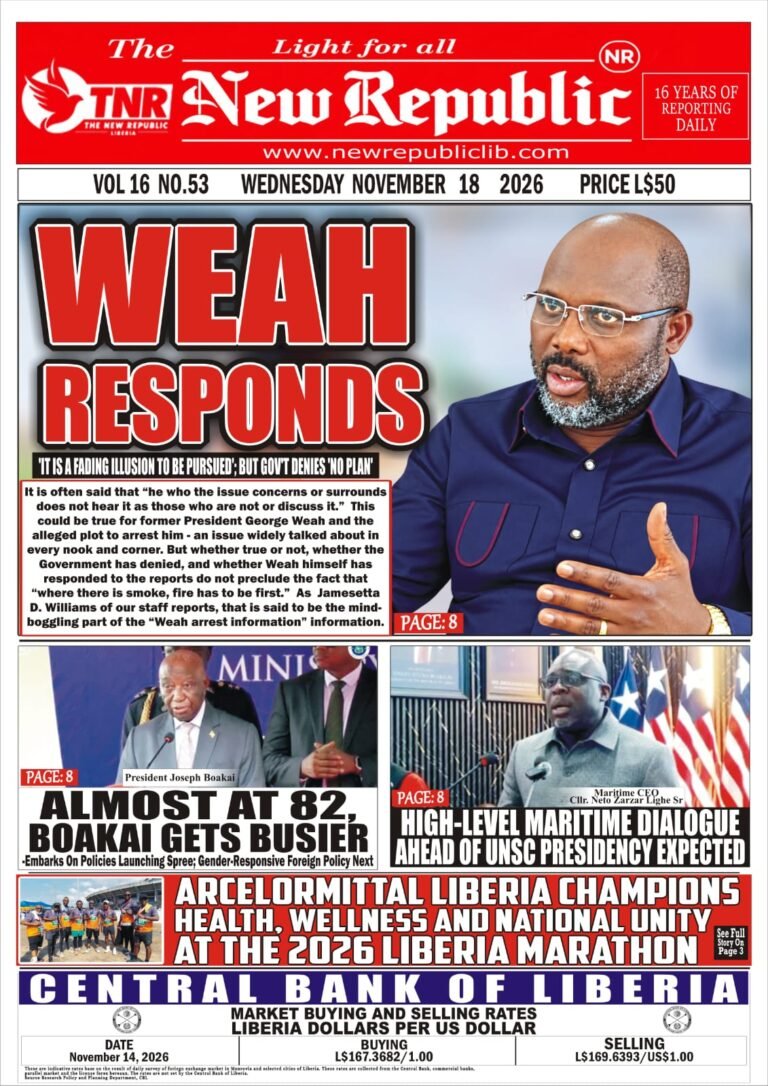

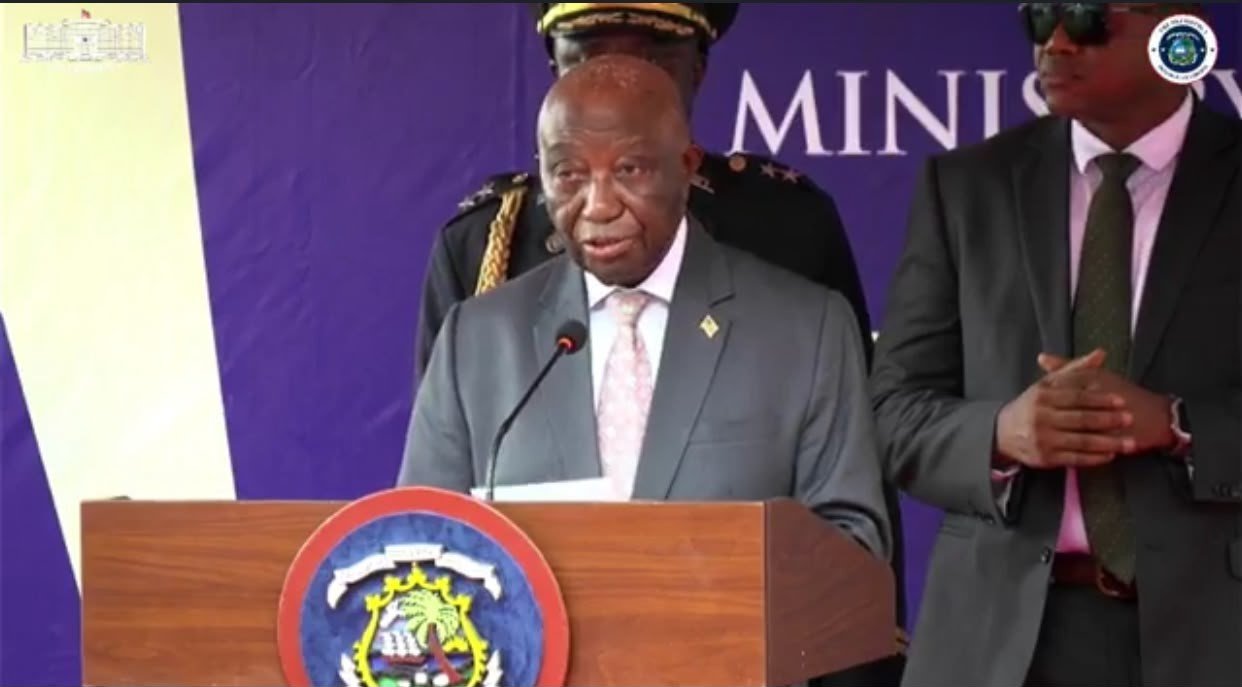
Monrovia-President Joseph Boakai , the oldest person ever elected to office, finds himself overly busy in recent times than in the past two years of his presidency, not resting even after official office hours, holding discussions and participating in series of national events including the launch of slew of policies, programs and development initiatives aimed at meeting his overall national development agenda enveloped in the ARREST Agenda for Inclusive Development (AAID).
The 81 years old head of state, who turns 82 in few days time, was elected and inaugurated aged 78, making him the oldest to become president, beating the record of his former boss, Madam Ellen Johnson Sirleaf who came to power in her 67th year.
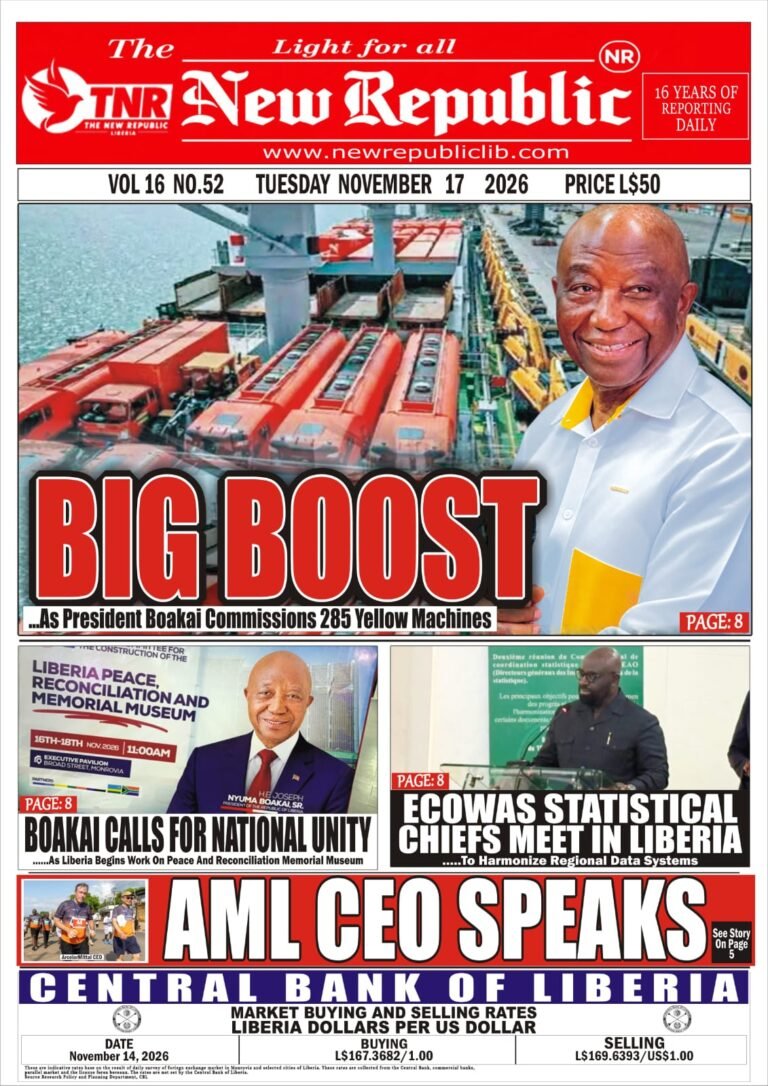
Last week, Liberians witnessed the President launch the National Peace and Reconciliation Memorial Museum, followed by the official commissioning of the government procured 285 pieces of earth-moving equipment or yellow machines.
Just a day after commissioning 285 Yellow Machines to boost his administration’s national development objective, President Boakai found himself in the thick of another herculean task.
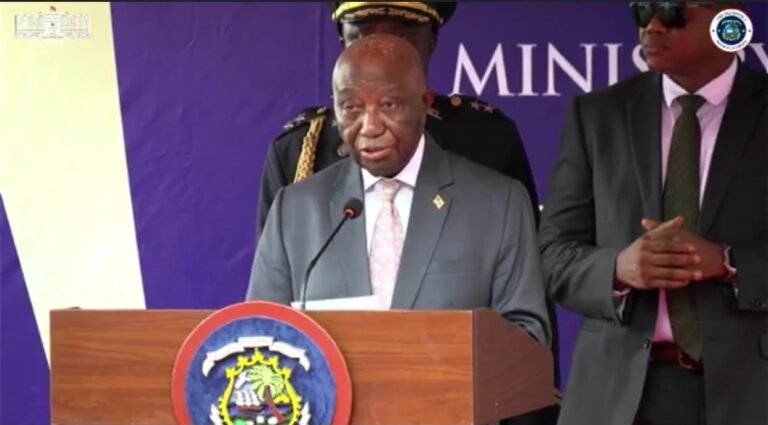
On Tuesday, the head of state launched another milestone initiative, Liberia’s Gender-Responsive Foreign Policy, describing it as a renewed framework for guiding the country’s engagement with the international community while ensuring that women and men are represented in national diplomacy.
At the launch, the President said Liberia had restated its foreign policy for the first time in more than 50 years, noting that the international environment and the country itself had undergone significant changes during that period.
He said the new policy builds on Liberia’s diplomatic history, including its role in signing the United Nations Charter in 1945, supporting Africa’s liberation from colonial rule, and helping establish regional institutions such as the African Union, ECOWAS and the Mano River Union.
The President outlined five priorities underpinning the policy: resilience and protection of national sovereignty; economic diplomacy; protection of Liberian citizens and engagement with the diaspora; leadership in regional and global peace and security; and technological competitiveness.
He said Liberia’s embassies must play a stronger role in attracting investments in agribusiness, mining, infrastructure, tourism, manufacturing and the digital economy. He also emphasized the need for transparent management of the country’s natural resources to ensure that minerals, forests and land contribute to national prosperity rather than conflict.
On citizens’ protection and diaspora engagement, President Boakai described Liberians abroad as strategic assets whose skills, capital and networks should contribute to national development.
He also linked the policy to Liberia’s growing international role, particularly its election to the United Nations Security Council for the 2026–2027 term and its upcoming presidency of the Council in December.
He said Liberia would use its participation in regional and international institutions to promote democratic governance, regional integration and peace and security.
President Boakai stressed that the policy must reflect the country’s domestic priorities, arguing that Liberia’s international representation would remain incomplete if half of its population was excluded from meaningful participation.
He paid tribute to Liberian women who played leading roles in the country’s peace process, noting that their contributions continue to receive recognition beyond the country’s borders.
“A nation cannot reach its full potential while half of its people are held back,” he said, adding that foreign policy could not be credible internationally if it failed to reflect the values and realities upheld at home.
The President commended Foreign Minister Sara Beysolow Nyanti and her team for completing the policy, while thanking the Ministry of Gender, Children and Social Protection, civil society organizations, development partners and other institutions that contributed to the process.
Foreign Minister Nyanti, in her remarks, said the policy was intended to ensure that Liberia’s voice in international affairs represents the entire nation. She recalled the contributions of generations of Liberian diplomats, including Ambassador Angie Elizabeth Brooks-Randolph, the first woman to serve as President of the United Nations General Assembly.
Nyanti emphasized that increasing women’s representation in the Foreign Service must go beyond appointments, stressing the need to prepare women through training, mentorship and professional development so they can advance through the ranks and assume leadership responsibilities.
She also highlighted the importance of building a professional Foreign Service grounded in patriotism, national pride and public service, noting that Liberia’s diplomatic institutions must be strengthened to outlast successive administrations.
Minister of Gender, Children and Social Protection Gbeme Horace-Kollie described the policy as an extension of Liberia’s domestic commitment to women and girls. She said its implementation must align with the revised National Gender Policy and the country’s National Action Plan on Women, Peace and Security.
Horace-Kollie emphasized that gender equality in domestic governance and international diplomacy are interconnected, adding that the policy should translate Liberia’s commitments into practical opportunities for women in trade, peacebuilding and diplomatic leadership.
Meanwhile, South Sudan’s Minister of Foreign Affairs and International Cooperation, Cecilia A. Manyok Adeng, congratulated Liberia on the initiative and highlighted the importance of women’s participation in peacebuilding and diplomacy.
Drawing on her own experience and diplomatic journey, Adeng underscored the need for women to have opportunities to contribute meaningfully to leadership and decision-making.
She also pointed to South Sudan’s affirmative-action measures and efforts to strengthen women’s participation in diplomacy.
Nobel Peace Prize laureate Leymah Gbowee also emphasized the importance of moving beyond the announcement of the policy to ensure its practical implementation. She called for sustained commitment, resources and accountability, while reminding stakeholders of the historic role Liberian women played in securing peace.
Gbowee further stressed the importance of creating opportunities for girls, particularly those from rural communities, to participate in leadership and national development.
In officially launching the policy, President Boakai said its success would depend on collective action, urging government institutions, civil society, the private sector and international partners to work together to translate the framework into tangible results.
He described the policy as feminist in its content but intended to serve Liberia as a whole, saying it should guide the country toward becoming a stronger voice for peace, a partner in prosperity and an example of what an inclusive nation can achieve.
About The Author