
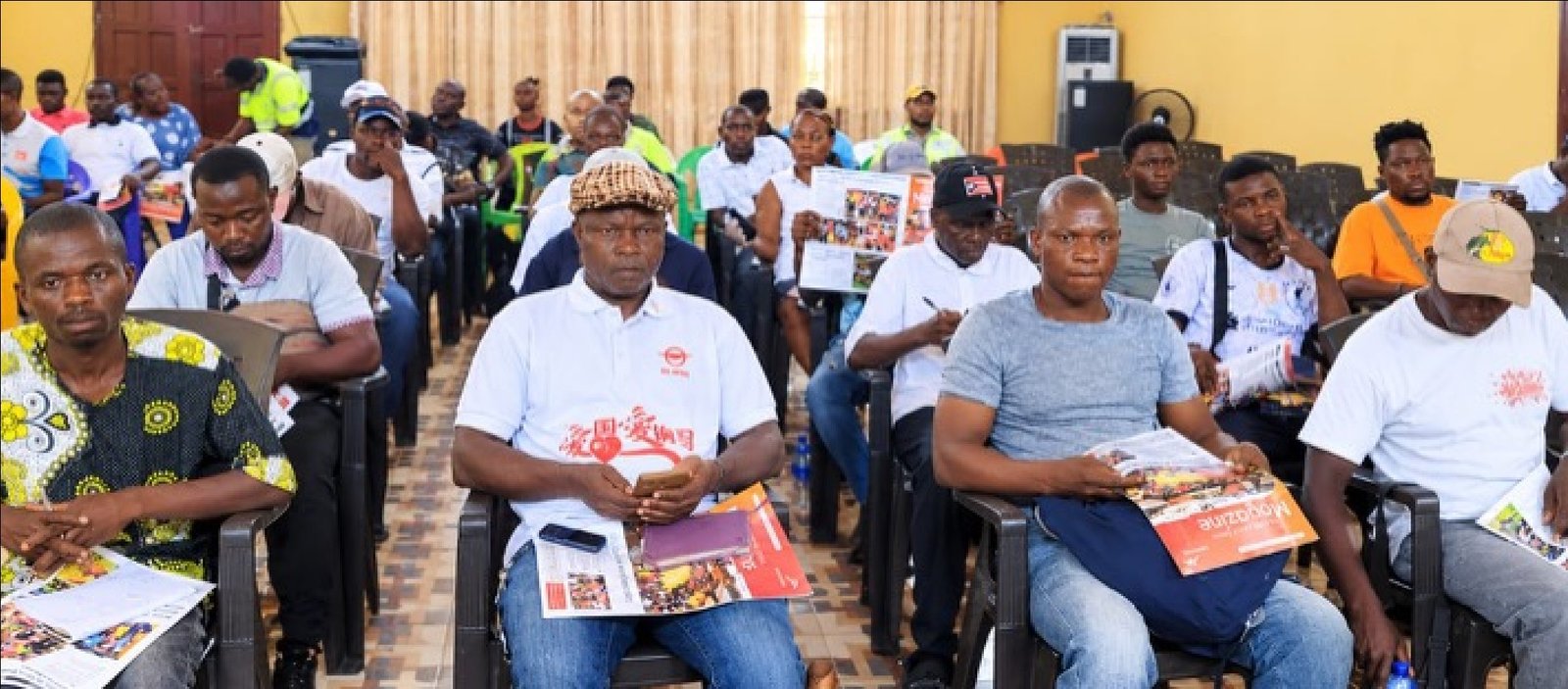
Monrovia-Youth, religious and civil society leaders in Buchanan have pledged to become frontline safety ambassadors along the Yekepa-Buchanan railway corridor, following a community town hall organized by ArcelorMittal Liberia (AML) to strengthen public awareness and prevent railway-related accidents.
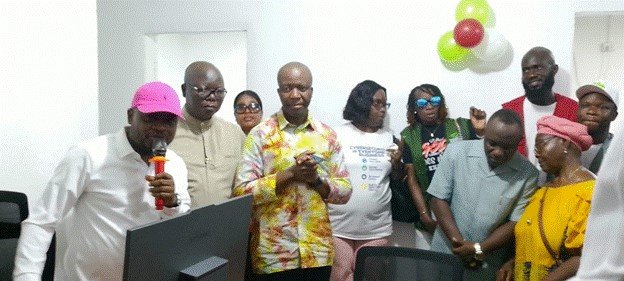
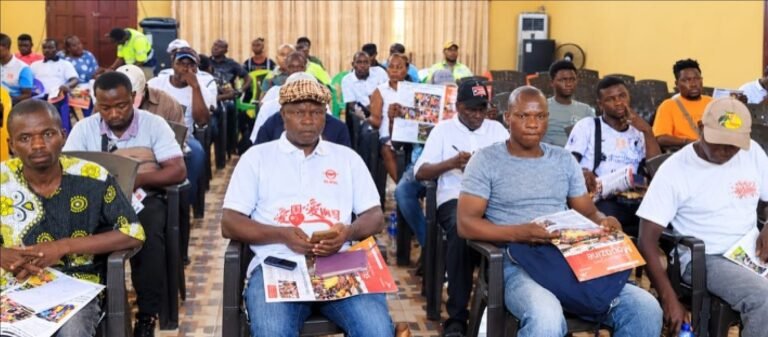
The forum brought together representatives from the Office of the Grand Bassa County Superintendent, local police authorities, community leaders and residents living along the railway right-of-way to discuss practical measures for protecting lives and reducing safety risks in communities bordering the active railway.
The engagement is part of AML’s broader efforts to make railway safety a shared responsibility between the company and communities along its operational corridor. It follows a similar community safety town hall recently held in Compound Three, Wee Statutory District, as the company expands its public education campaign across affected communities.
Organized by AML’s Sustainability and External Relations (SER) Department in collaboration with its Health and Safety, Rail and Security departments, the Buchanan forum focused on empowering local stakeholders to take greater responsibility for safety education within their communities.
Participants discussed the importance of preventing unauthorized railway crossings, keeping children away from active tracks, supervising young people, keeping livestock off the railway right-of-way and reporting potential hazards before they result in accidents.
A key outcome of the engagement was the commitment by youth, religious and civil society representatives to serve as primary safety ambassadors, helping to communicate railway safety messages and encourage responsible behavior among residents.
AML Community Relations Manager Vaanii Kiazolu II said railway safety responsibilities extend beyond the company’s operational facilities to the communities and families living along the corridor.
“Safety at ArcelorMittal Liberia does not stop at our operational fences; it extends directly into the towns, villages, and families living alongside our railway corridor,” Kiazolu said. “Protecting lives is a collective duty.”
He emphasized the importance of community participation in ensuring that safety messages reach households, particularly parents and guardians who have a responsibility to protect children from the dangers associated with active railway operations.
AML Deputy General Manager for Rail, Mulbah Gbozee, explained the operational challenges associated with moving heavy iron ore trains and why residents must maintain a safe distance from railway tracks.
He cautioned that trains carrying heavy mineral loads require considerable distances to slow down and stop, making unauthorized crossings and other risky activities particularly dangerous.
“Our trains carry heavy loads and cannot stop instantly like light vehicles,” Gbozee explained. “Maintaining a clear, safe distance from tracks, supervising children, and keeping livestock off the right-of-way are critical, life-saving measures.”
He urged residents to use designated railway crossing points and avoid walking, playing or conducting other activities on or near active tracks.
AML Health and Safety Superintendent Paul Woyaeh reinforced the company’s commitment to achieving zero harm, emphasizing that safety efforts must extend to people living in communities surrounding its operations.
“A moment of distraction or crossing at an unauthorized location can lead to tragedy,” Woyaeh stated. “Our goal is zero harm, not just for our workforce, but for every member of our host communities. We urge everyone to strictly use designated crossing points.”
Representatives of the Liberia National Police and the Grand Bassa County Superintendent’s Office commended AML for engaging community stakeholders in addressing railway safety concerns.
They also encouraged residents to cooperate with law enforcement authorities and community leaders to discourage unauthorized activities along the railway and ensure that safety regulations are respected.
The involvement of local authorities, religious institutions, youth organizations and civil society groups is expected to strengthen the reach of railway safety education beyond formal company engagements. Through their established relationships with residents, these groups can help reinforce safety messages during community meetings, religious gatherings and other local activities.
For communities along the railway corridor, protecting children remains a particularly important concern. Children who live near the tracks may be exposed to railway dangers through playing, walking across unauthorized points or gathering around railway infrastructure without understanding the risks.
The forum therefore placed emphasis on parental supervision and the responsibility of community leaders to ensure that young people are regularly reminded of the dangers associated with active railway operations.
AML’s community railway safety initiative forms part of its wider commitment to promoting safe practices across its operational areas in Grand Bassa, Bong and Nimba counties.
The company’s awareness activities include routine community town halls, school safety clubs, radio education programmes and year-round public awareness campaigns designed to reach residents of different ages and backgrounds.
Through these engagements, AML seeks to strengthen cooperation with host communities, encourage early reporting of safety hazards and reduce the risk of incidents involving pedestrians, children, livestock and other activities around the railway.
The commitment by Buchanan’s youth, religious and civil society leaders to serve as safety ambassadors marks another step toward building a stronger culture of railway safety along the Yekepa-Buchanan corridor, where protecting lives depends not only on operational precautions but also on the everyday decisions of people living alongside the tracks.
About The Author