By Jamesetta D. Williams
Monrovia-Finance Minister Augustine Kpehe Ngafuan says the Government of Liberia has spent nearly all of the US$1 billion, with less than US$50 million remaining in government bank accounts.
The disclosure made two days after the country celebrated a new revenue generation milestone of US$1 billion dollars in revenue has triggered questions from some citizens about government spending and the impact of the country’s increased financial resources.
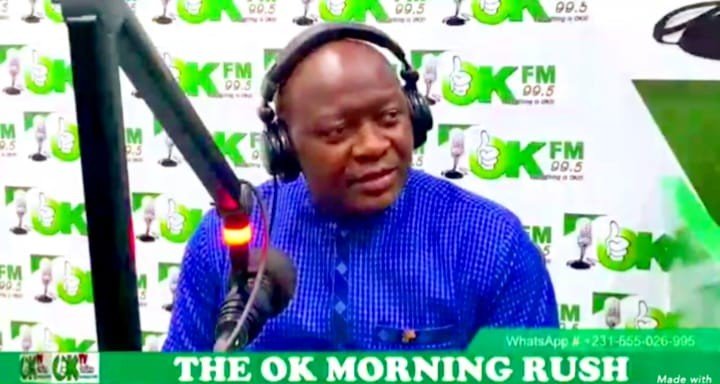
Minister Ngafuan made the statement Thursday morning during an appearance on OK FM’s OK Morning Rush, where he discussed the growth of domestic revenue, government spending and the increased capacity of the government to address national priorities.
According to Ngafuan, the government began spending the US$1 billion in January and has since used almost the entire amount.
“We started spending the US$1 billion since January,” Ngafuan said.The Finance Minister further stated that less than US$50 million remains in the government’s bank account.
“We finished spending the US$1 billion; only less than US$50 million is left in the government bank account,” he said.
The disclosure has prompted public discussion over how the money was spent, what projects and programs benefited from the funds, and what the government’s next steps will be as the amount approaches exhaustion.
One Liberian businessman questioned the whereabouts and impact of the US$1 billion, asking, “Where is the one billion dollars?”
Another citizen, expressing frustration over what he described as limited visible development, pointed to conditions in parts of the country that he said have remained unchanged despite the increase in government resources.
“From 1847 to the present day, Broad Street remains the same, my hometown road in Rivercess is still muddy. I am not happy about this US$1 billion because nothing has changed,” the citizen said.
The citizen, who expressed his views as a supporter of the opposition Unity Party, questioned whether ordinary Liberians are seeing tangible improvements from the government’s increased financial capacity.
The concerns come against the backdrop of the government’s argument that the growth of the national budget has increased its ability to respond to Liberia’s pressing needs.
Ngafuan clarified that the government never claimed that crossing the US$1 billion threshold would solve all of Liberia’s problems.
“We did not say all of the country’s problems will be solved because we crossed the US$1 billion threshold. We say that the capacity to address the pressing issues has improved with the size of the budget,” the Finance Minister said.
He also highlighted what he described as progress in domestic revenue generation, saying increased domestic resources have strengthened the government’s ability to finance national priorities.
Ngafuan described the pace of the country’s progress in revenue generation as rapid.
“We are not just moving, we are sprinting,” he said.
The Finance Minister also called for sincerity in public discussions surrounding the government’s finances.“You can argue, but be intellectually sincere,” Ngafuan said during the radio program.
With the Finance Minister saying less than US$50 million remains from the US$1 billion, questions are now emerging about the government’s next financial steps, including how it intends to finance ongoing programs, address infrastructure challenges and sustain public services.
Citizens are also demanding greater clarity on how the US$1 billion was spent and what measurable results have been achieved from the expenditure.
While Ngafuan has explained that the increased budget has expanded the government’s capacity to address pressing national issues, the Finance Ministry has not, in the statements cited, provided a detailed public breakdown of the expenditures associated with the nearly US$1 billion.
Such information could help the public understand how much was allocated to infrastructure, education, health, roads, public-sector operations and other national priorities.
The debate therefore appears to be shifting from whether Liberia has crossed the US$1 billion threshold to how the money was spent, what results it produced, and how the government plans to finance its priorities going forward.
For citizens like the businessman and Rivercess resident quoted above, the central concern remains whether the country’s increased financial resources will translate into visible improvements in communities and infrastructure.
The government’s next explanation of expenditure and its plans for sustaining domestic revenue and funding national priorities could therefore be important in addressing the growing public questions surrounding the US$1 billion.
About The Author