
By Jamesetta D. Williams
Monrovia-Chairman of the National Investment Commission (NIC), Morley P. Kamara, says the Liberian government is pursuing major investments in the energy and road sectors as part of efforts to address the country’s infrastructure challenges and promote economic growth.
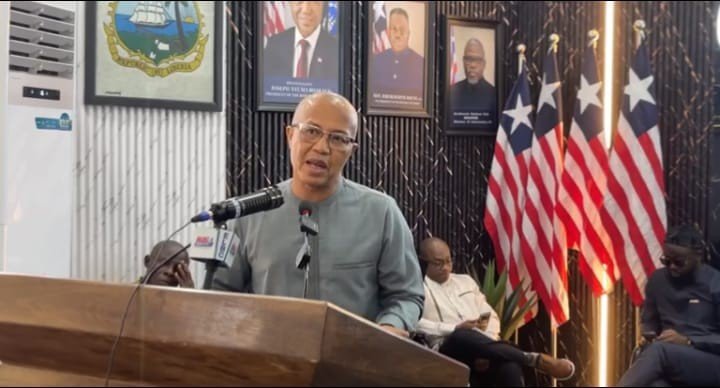
Speaking at the Ministry of Information press briefing on Tuesday, November 24, 2026, Kamara said the proposed projects are intended to improve electricity supply, reduce road congestion, attract investments, and create a stronger foundation for national development.
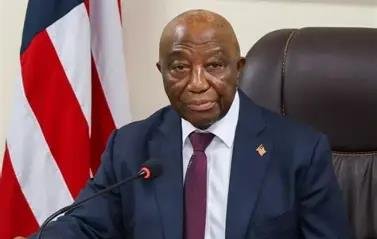
He explained that the initiative followed engagements initiated by President Joseph Nyuma Boakai earlier this year with relevant stakeholders to identify solutions to some of Liberia’s major infrastructure challenges, particularly the shortage of reliable electricity.
According to Kamara, energy remains one of the biggest obstacles to industrialization and economic growth in Liberia, making investment in the sector necessary to support businesses and attract potential investors.
He said the proposed energy component includes the construction of two reservoirs with a combined water storage capacity of approximately 10 billion cubic meters.
Kamara described the reservoirs as major infrastructure investments, explaining that they are expected to address the country’s recurring electricity shortages during the dry season.
He noted that Liberia’s dependence on hydropower has made electricity generation less reliable during periods of reduced rainfall, resulting in the need to purchase electricity from neighboring countries.
The NIC chairman explained that the reservoirs would help maintain water supply to hydropower facilities through a cascading system, supporting electricity generation throughout the year.
He further disclosed that the energy component includes a proposed 200-megawatt hydropower plant and an additional 10-megawatt power plant.
In addition, Kamara said the project includes a 50-megawatt biomass power plant expected to become operational in 2028, subject to the approval and ratification of the project by the Legislature.
He said the biomass facility is expected to reduce Liberia’s dependence on electricity imports from neighboring countries, including Côte d’Ivoire and Guinea, particularly during the dry season.
Kamara disclosed that Liberia sometimes purchases up to 50 megawatts of electricity from neighboring countries to supplement domestic supply.
Beyond the energy sector, he said the proposed investment package also targets several road projects across the country, particularly in Monrovia, where traffic congestion continues to affect movement.
Among the projects mentioned is the proposed completion of the Johnson Street and Gabriel Tucker Bridge, which he said would help ease traffic congestion in the area.
He also identified a road connection involving Tubman Boulevard, 12th Street, the former Kesselly Boulevard, and surrounding communities toward Banjor.
According to him, the proposed road connection would provide alternative routes for motorists, reduce travel time, and ease pressure on major roads leading toward the SKD Boulevard area.
Kamara said the projects are intended to address existing infrastructure challenges while preparing the country for future population growth and economic expansion.
He emphasized that reliable electricity and improved road networks are essential to attracting investors, supporting businesses, creating employment opportunities, and expanding industrial activities.
The NIC chairman maintained that the government’s infrastructure plans are not only intended to address present challenges but also to provide long-term benefits for future generations.
He was accompanied by technical officials expected to provide further explanations about the proposed projects and respond to questions from members of the media.
About The Author