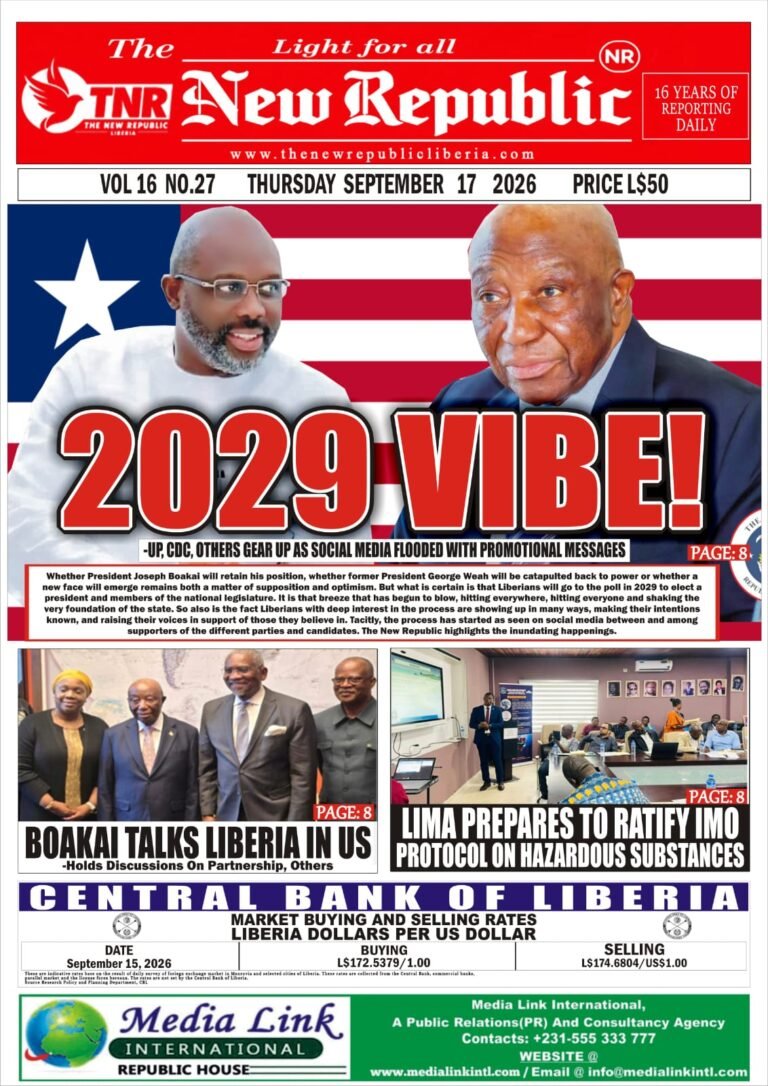
Monrovia-The Liberia Maritime Authority (LiMA) has begun preparations for the ratification and implementation of the International Maritime Organization (IMO) 2010 Protocol on Hazardous and Noxious Substances (HNS), aimed at strengthening the country’s preparedness and response to incidents involving hazardous substances transported by sea.
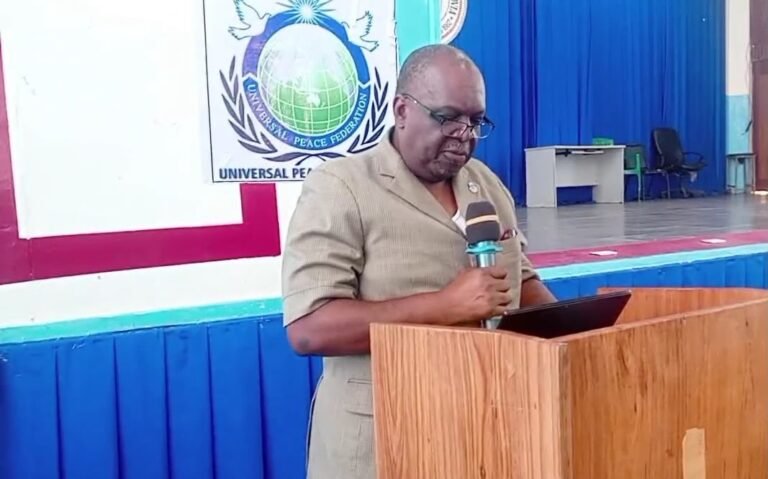
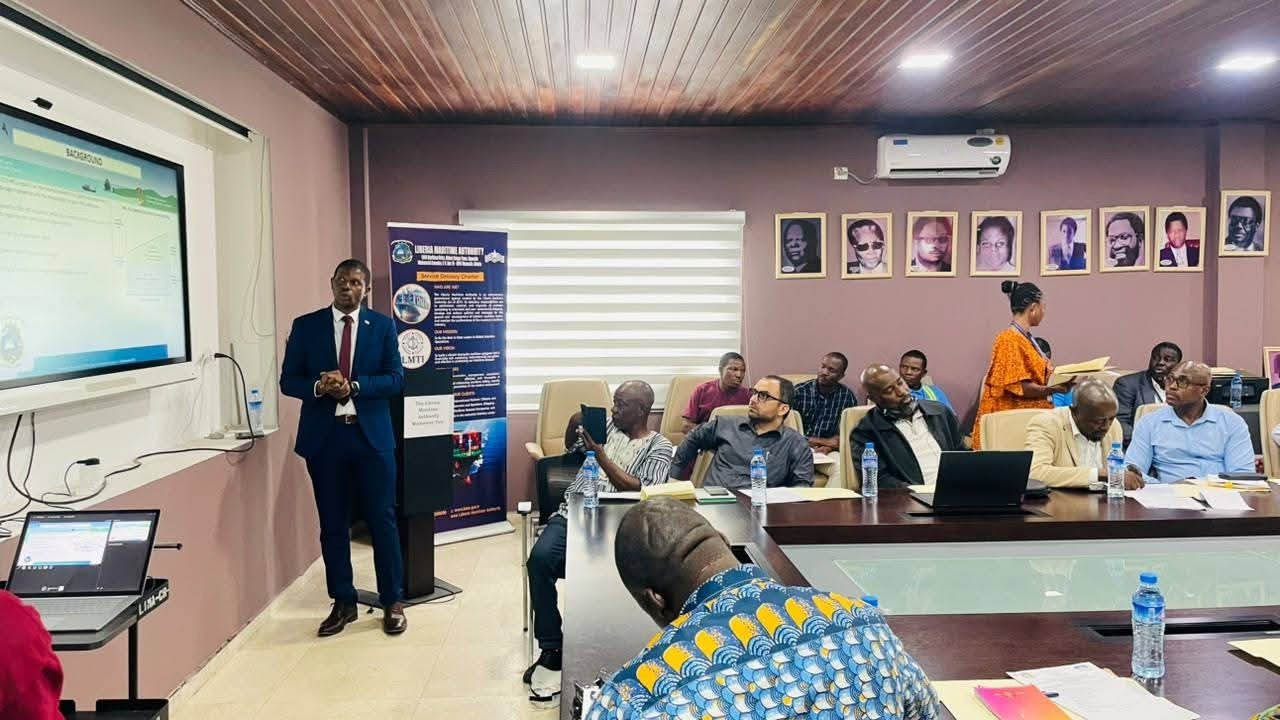
As part of the process, LiMA on Wednesday, September 16, 2026, hosted a stakeholders’ engagement at its headquarters in Monrovia to raise awareness about the HNS Protocol and discuss the requirements and mechanisms needed for its effective implementation in Liberia.
The engagement brought together representatives from relevant government institutions, maritime industry operators, and other stakeholders involved in Liberia’s maritime sector.
Speaking at the opening of the meeting, Deputy Commissioner for Domestic Vessel Registration and Safety at LiMA, John F. Harvey, said the engagement was necessary as Liberia moves toward ratifying and implementing the international instrument.
Harvey said it was important for stakeholders across the maritime sector to understand the objectives of the Protocol, its implications for Liberia, and the roles they will be expected to play once the instrument is implemented.
He urged participants to take the discussions seriously, noting that the Protocol is expected to come into full force in November 2027.
Meanwhile, Technical Officer at Liberia’s Permanent Mission to the IMO, Tarnue Kpangbala, described the HNS Protocol as an important instrument for strengthening the protection of marine ecosystems while supporting the safety and sustainability of international maritime trade.
Kpangbala emphasized the need for collaboration among government institutions, maritime operators, industry stakeholders, and other relevant partners to ensure that Liberia is adequately prepared to meet the requirements of the Protocol.
The IMO 2010 HNS Protocol establishes an international liability and compensation framework for damage resulting from incidents involving hazardous and noxious substances transported by sea.
The framework is intended to strengthen preparedness, clarify liability, and provide compensation mechanisms for victims and affected parties in the event of incidents involving HNS cargoes.
For Liberia, the ratification and implementation process will require coordination among government agencies and maritime stakeholders to ensure that the necessary systems, procedures, and institutional arrangements are in place.
The stakeholder engagement provided an opportunity for participants to discuss Liberia’s current level of preparedness and the steps required before the country can fully implement the Protocol.
Participants also examined the responsibilities of relevant institutions and industry actors, as well as the need for continued awareness and coordination throughout the ratification process.
LiMA said the engagement forms part of its broader efforts to ensure that Liberia’s maritime sector is prepared to meet international maritime obligations and strengthen safety and environmental protection.
With the Protocol expected to come into full force in November 2027, authorities are expected to continue consultations and preparatory activities ahead of Liberia’s ratification and eventual implementation.
The process, according to LiMA, will require sustained cooperation among government institutions, maritime operators, industry stakeholders, and international partners to ensure that Liberia is adequately positioned to respond to incidents involving hazardous and noxious substances transported by sea.
About The Author