The Kingdom of Morocco is advancing a series of major regional initiatives aimed at deepening economic cooperation and promoting shared prosperity across West Africa and the African continent.
Among the key initiatives are Morocco’s bid to join the Economic Community of West African States (ECOWAS), the proposed Nigeria–Morocco Gas Pipeline, and the Atlantic Africa Initiative, all of which are designed to strengthen regional integration, expand trade, and improve economic opportunities.
As part of King Mohammed VI’s vision to reinforce relations with ECOWAS member states, Morocco has increased diplomatic and economic engagement with countries across the region. In June 2026, the country’s ECOWAS accession efforts received further momentum following the signing of a memorandum of understanding between the ECOWAS Parliament and Morocco’s House of Councillors, aimed at enhancing parliamentary cooperation.
A cornerstone of Morocco’s regional strategy is the proposed Nigeria–Morocco Gas Pipeline, a nearly 6,900-kilometer project expected to run along the West African coastline. The pipeline will connect 13 African countries and is intended to strengthen energy security across the region.
The project is estimated to cost approximately US$25 billion and will have the capacity to transport about 40 billion cubic meters of natural gas annually. Moroccan officials say the pipeline could generate an estimated US$500 billion in cumulative revenue over several decades for the countries along its route while creating jobs, boosting industrial growth, and expanding access to reliable energy.
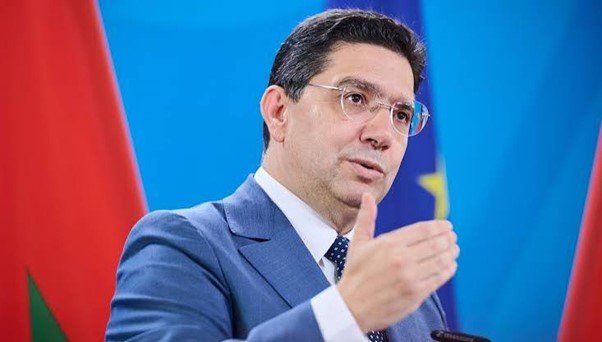
Speaking on Morocco’s engagement with Africa, Foreign Affairs Minister Nasser Bourita said the country’s relationship with the continent extends beyond geography and history.
“More than a geographical or historical connection, it is a natural continuity and a profound strategy for Morocco. Morocco does not work alongside Africa—it works with Africa and within Africa,” Bourita said.
He added that Morocco remains optimistic about Africa’s future and is committed to supporting the continent through investments that address security, political, social, human, and economic development.
Morocco is also promoting the Atlantic Africa Initiative, which seeks to improve access to the Atlantic Ocean for landlocked Sahel countries, with the goal of strengthening regional connectivity, facilitating trade, and supporting long-term economic development.
According to Moroccan officials, the country has become the largest African investor in West Africa and the second-largest investor on the continent. In 2024, Morocco invested approximately 5 billion Moroccan dirhams (about US$500 million) across Africa, with investments focused primarily on fertilizers, agribusiness, banking, and telecommunications.
About The Author