The President Joseph Boakai’s planned printing of new Liberian banknotes is shrouded in a hidden agenda, according to Movement for Progressive Change (MPC) Political Leader, Simeon Freeman, to facilitate and finance his anticipated 2029 reelection campaign.
The administration, through the national legislature, recently approved the printing of new banknotes in the amount of over seventy billion Liberian dollars.
Authorities of the Central Bank of Liberia (CBL), appearing before the Liberian Senate to justify the necessity of new banknotes, defended the printing of new money as a move aimed at replacing mutilated bank notes in circulation.
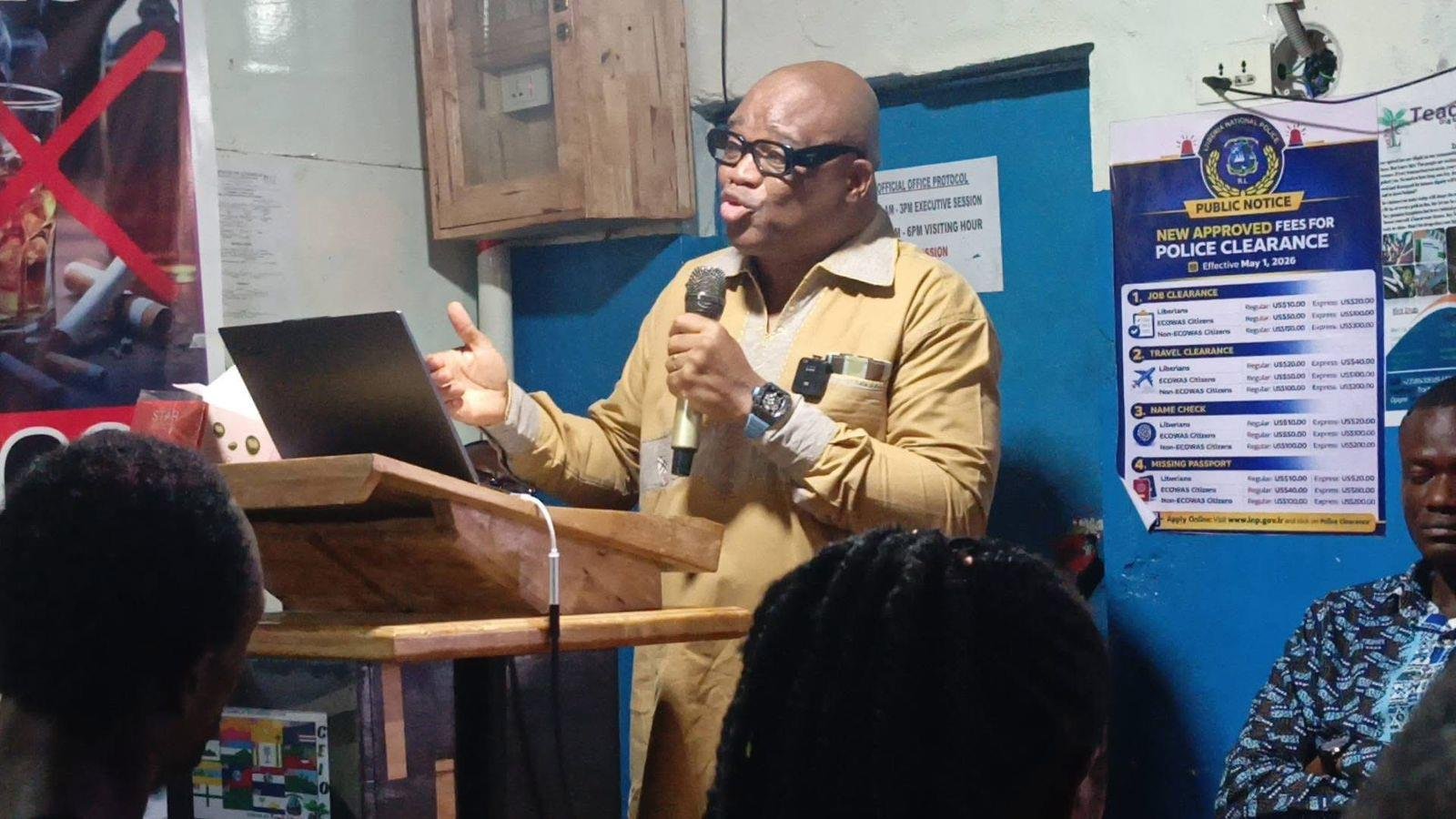
However, Mr. Freeman has provided a contrast to the government’s justification while speaking at the Center for Intellectual Exchange in Monrovia.
He claimed the reported plan to print L$79 billion, along with the introduction of a new L$2,000 banknote, is politically driven rather than economically necessary.
“The timing of the move raises concerns as the country gradually approaches the next electoral cycle,” he propounded, and alleged that the initiative could be used to fund campaign activities, warning that it may undermine economic stability and public trust.
“The election is getting closer, and the President wants to print new money to run his campaign,” Freeman stated.
He further argued that the introduction of a high-denomination L$2,000 banknote could increase the risk of corruption within the public sector. “The L$2,000 note will make stealing very easy for public officials,” he claimed.
Freeman, who is also an economist, used the occasion to advocate for broader financial reforms, urging the government to accelerate the transition to electronic financial systems. He said reducing reliance on physical cash could help curb corruption and improve transparency in public financial management.
According to him, strengthening digital payment systems would enhance accountability and reduce opportunities for the misuse of public funds, while aligning Liberia with global financial trends.
About The Author