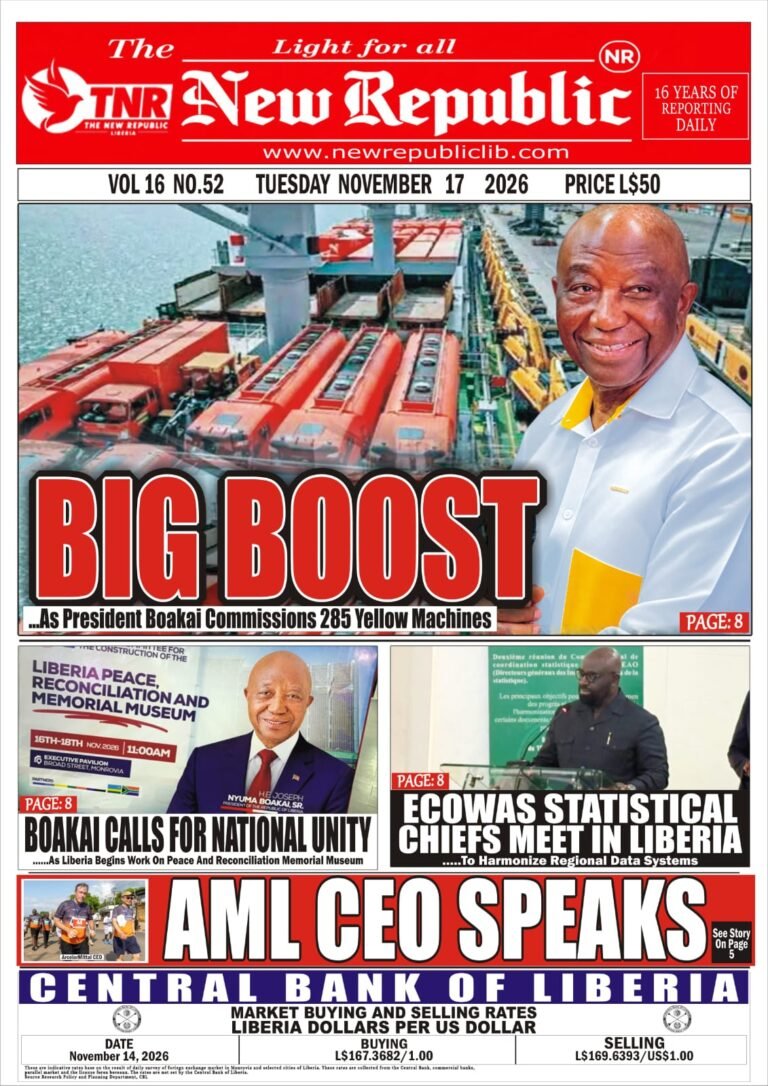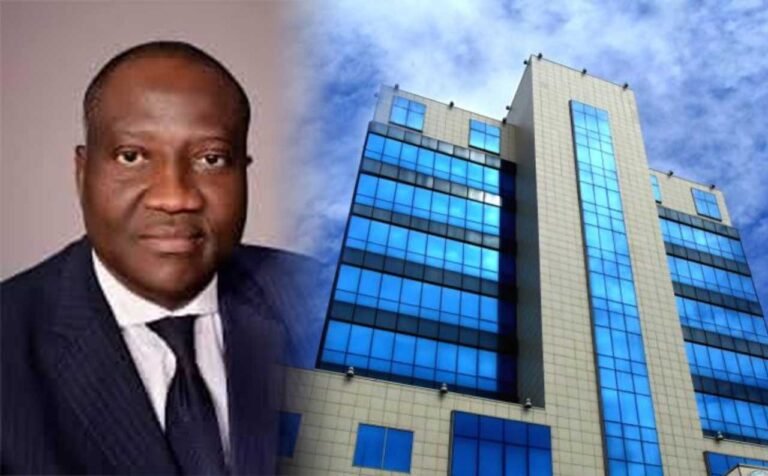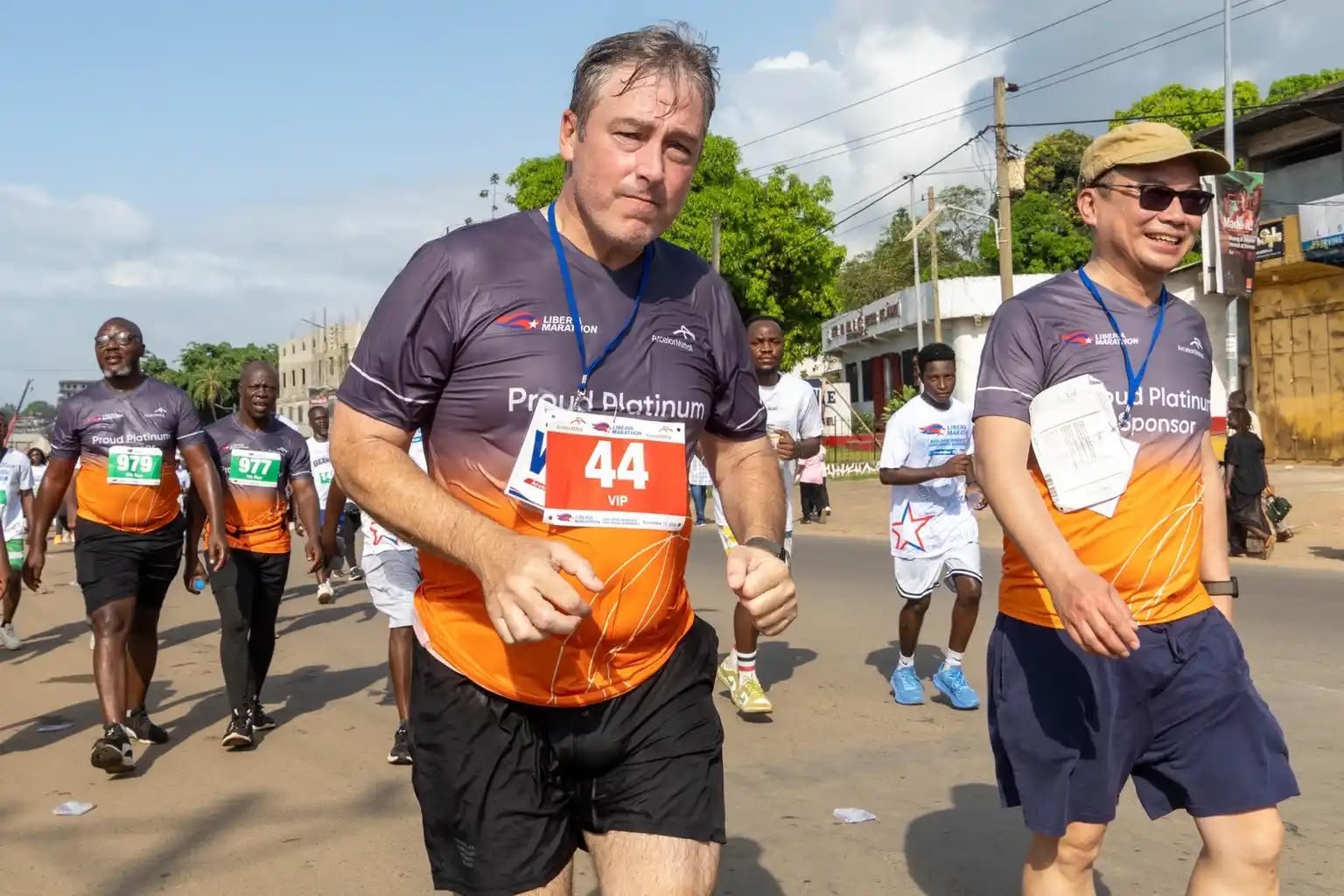
…..At the close of the Marathon at SKD CEO Michiel Van Der Merwe was interviewed by several journalists
Below is a full transcript of the interview for your story development.
AML CEO:
“ArcelorMittal, like to promote healthy living. We like to promote Liberian sport. In particular, like sponsoring the marathon. It’s been coming for many years. I think we’ve been, it’s the third year straight that we’re the platinum sponsors of this marathon. And it’s just so great to see all of our employees out there running, being healthy, and enjoying the day. So it’s a long-term standing relationship between ArcelorMittal and the Liberia Marathon Association.”
“Most concessions don’t allow their employees to participate in such events. I’m seeing, you know, hundreds of ArcelorMittal employees, some of them doing your anniversary share like 20 years. What’s the feeling?”
ArcelorMittal CEO:
“I’m so proud. I’m so proud to see. I think over 300 of our own employees came here today to participate. Most of them actually saw running past me, unfortunately. But I’m even very proud of that. If you’re healthy and fit, it also makes you think better, makes you work better, it improves your quality of life, and that’s what we want to promote. It’s also to have a work-life balance for our employees, to stay fit and that ultimately makes you work and produce better as well.”
“So ArcelorMittal, as you know, is probably the biggest investor in Liberia, and we want to continue to be here for many, many years to come. We’re currently operating in, uh, three counties: Nimba, Bong, and Grand Bassa, as you know, but we’re sponsoring these events in Monrovia and everywhere else. So, I can see us going into future for the next 30, 40 years, at least being here, sponsoring and being part of many more of these events in future, and we’re proud to be associated with that.”
Interviewer:
“Okay. So, like to say thank you so much. You got anything you want to add up to the interview? Maybe also the marathon activities and your investment, what is it?”
ArcelorMittal CEO:
“Again, we’re very proud to be invested. ArcelorMittal Liberia is a Liberian company as well. We’ve been here for many years, since 2005. We’ve invested almost $4 billion in this country now. And I think that’s testament to to the company’s commitment to continue to invest. We’re happy to be here, we’re proud to be here, and we also want the people of Liberia to love ArcelorMittal back, where we’re employing thousands of people and still going to continue to employ thousands of people and make life better for communities moving forward. Uh, it’s just a real great day, and happy to share all of this with, uh, fellow Liberians. That’s it. Thank you guys.”
Residents and community leaders across several host communities in Nimba County District #8 have reaffirmed their strong support for ArcelorMittal Liberia’s (AML) ongoing safety campaign, pledging to collaborate with the mining company to protect lives and prevent accidents along the operational rail corridor. As part of the intensified public awareness drive, AML’s Sustainability and External Relations (SER) department, recently held series of direct community engagements with residents of Moungbain, Tarsonnon, and Wheyeepa, which form key settlements located along the active railroad line. Relations Officer Melvin Ziamo referenced a recent dangerous incident in Gbedin, where a man was reportedly discovered lying between the tracks in the path of an oncoming train while allegedly under the influence of illicit substances.
Residents expressed strong appreciation for the side-brushing contracts as a vital income stream for fenceline communities, but called for enhanced supervision and a more transparent, inclusive selection process so that benefits are shared equitably across households. Ziamo and the team urged parents, guardians, and local leaders to keep a close watch on children and ensure they do not walk, cross, or play near the railway unsupervised. Residents and local leadership structures across the district warmly welcomed the outreach and committed to taking concrete steps to protect their communities.
The outreach focused on educating residents about the critical dangers of walking, sitting, playing, or relaxing on train tracks, while reinforcing personal responsibility among local stakeholders. During the sessions, AML representatives noted that despite continuous safety messaging across host counties, some individuals continue to disregard basic rail protocols, significantly increasing the risk of tragic and avoidable incidents.
Highlighting the urgency of the safety warnings, AML Community In Wheyeepa, members of the Local Consultative Forum (LCF) commended AML for the proactive engagement and promised to consistently caution children against track-related activities. Similarly, residents of Tarsonnon highlighted that local leaders regularly disseminate safety warnings, focusing particularly on vulnerable youth and individuals who may be impaired by alcohol or drugs. Beyond safety discussions, the interactive forums provided a platform for host communities to raise operational and economic concerns, particularly regarding the allocation of local rail side-brushing contracts.
“These contracts represent a crucial economic opportunity for families living directly along the rail,” stated Nathan Ben, a resident of the area. “We are calling for a fairer, more transparent selection process so that households across our entire community have an equal chance to participate and benefit.” Addressing these concerns, the AML awareness team clarified that rail side-brushing opportunities are intentionally designed to support fenceline residents living immediately along the right-of way. The team urged local leaders who oversee the contract execution to manage the selection process fairly and ensure widespread household participation.
Through continuous field engagements, school safety clubs, and local leadership partnerships across Nimba, Bong, and Grand Bassa counties, ArcelorMittal Liberia remains dedicated to safeguarding host communities, encouraging local economic inclusion, and fostering zero-harm operational environments.
About The Author