
By Stephanie M. Duncan
Monrovia-The Government of Liberia has launched the first phase of the Presidential Clean Cities Initiative (PCCI) across 13 locations, targeting improved environmental sanitation, community participation, and employment opportunities for young people.
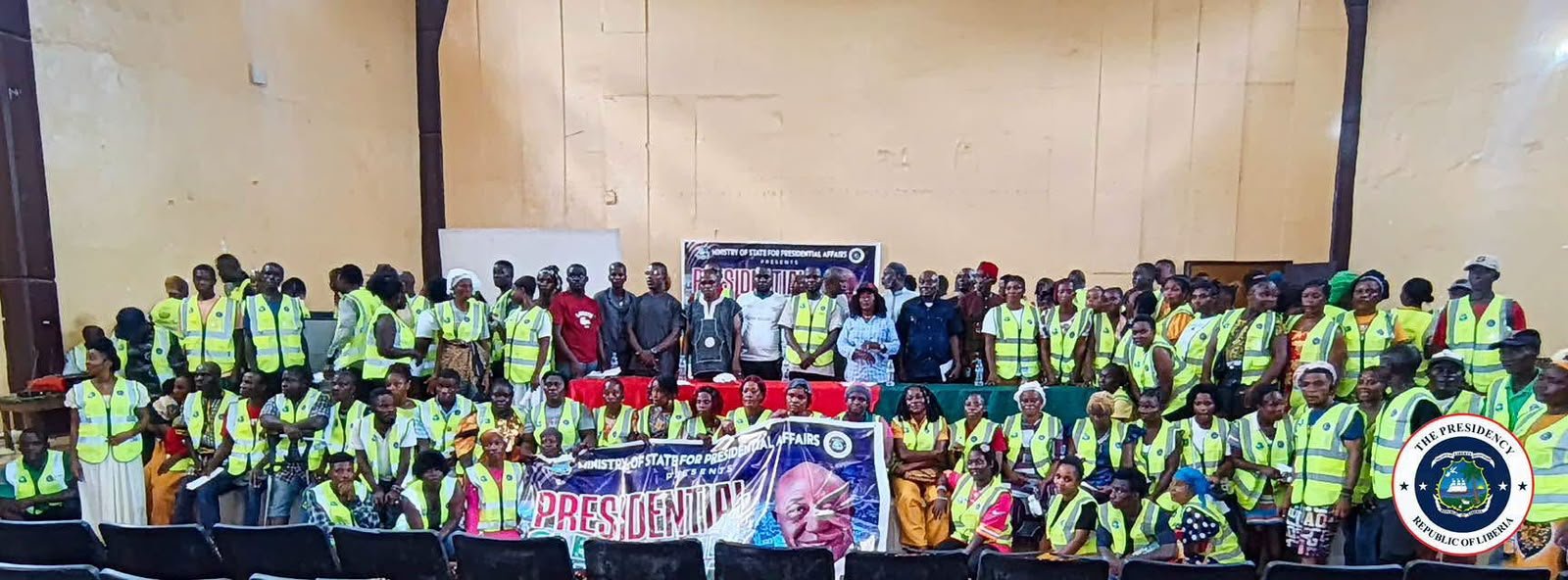
The simultaneous regional launches, held on November 7, brought together government officials, local authorities, community leaders, recruited young people, community-based organizations, and residents to advance the initiative.
The initiative, being implemented through the Ministry of State for Presidential Affairs, is intended to establish a community-driven approach to sanitation while creating structured employment and income-generating opportunities for young people.
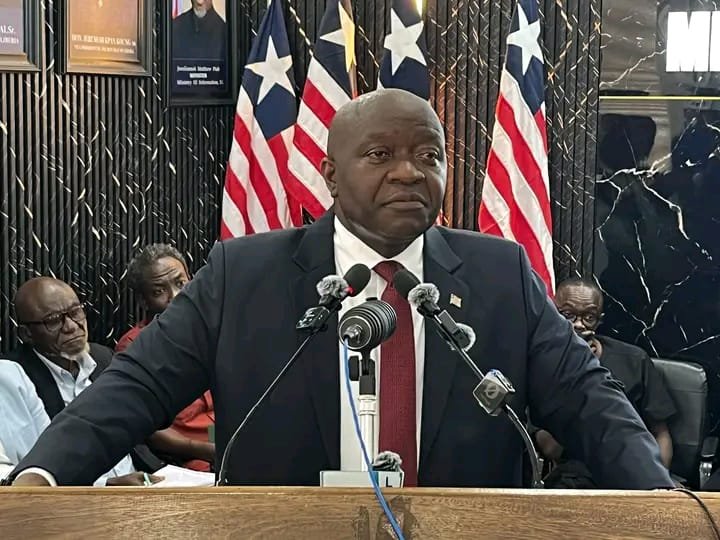
Deputy Minister of State for Administration, Bill McGill Jones, led the launch in Gbarnga, Bong County, while Deputy Minister for Public Affairs at the Ministry of Local Government, Emmanuel Lomax, headed the ceremony in Sanniquellie, Nimba County.
Other launches were held in Schieffelin Township, Unification City, and Kakata in Margibi County; Foya and Voinjama in Lofa County; Tubmanburg in Bomi County; Buchanan in Grand Bassa County; Gompa and Tappita in Nimba County; Zwedru in Grand Gedeh County; and Totota in Bong County.
At each location, designated government representatives delivered keynote addresses on behalf of President Joseph Nyuma Boakai.
Speaking during the ceremonies, government representatives emphasized that the initiative goes beyond routine sanitation activities, describing it as a national development intervention that connects environmental protection with youth empowerment, public health, and stronger community institutions.
They said the program is expected to improve environmental cleanliness, provide structured employment opportunities for young people, strengthen community-based organizations, and encourage citizens to take greater responsibility for maintaining clean and healthy communities.
The representatives urged recruited young people to demonstrate discipline, dedication, and professionalism in carrying out their responsibilities, while calling on community-based organizations, city corporations, township authorities, and residents to take ownership of the initiative.
They also stressed that sustaining the program would require consistent government investment, active citizen participation, effective coordination among local authorities, and collective commitment to environmental protection.
Meanwhile, recruited young people, representatives of participating community-based organizations, and local authorities welcomed the initiative, expressing appreciation to President Boakai and his government for what they described as renewed attention to environmental sanitation and youth employment.
They pledged their support for the successful implementation of the program in their respective communities.
The regional launches mark a transition from months of planning, stakeholder engagement, and recruitment to coordinated implementation across the 13 participating locations.
Through the Presidential Clean Cities Initiative, the government says it intends to promote a sustainable sanitation system that links environmental responsibility with youth employment, improved public health, and strengthened local governance.
About The Author