By Jamesetta D Williams
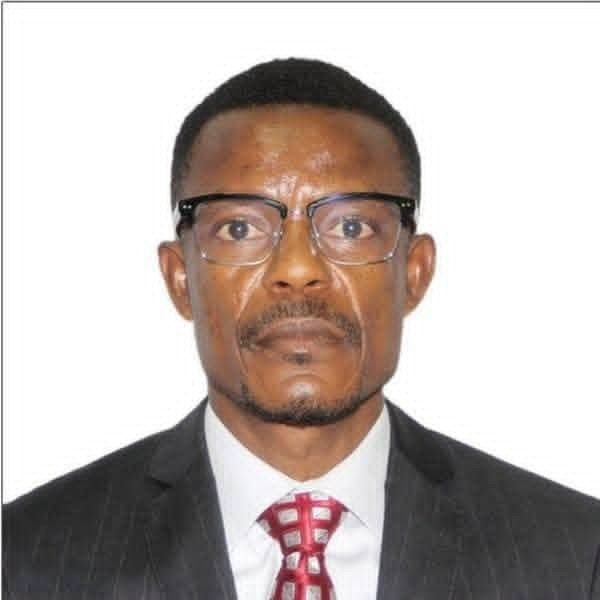
Monrovia-Liberian legal practitioner Cllr. Arthur Johnson says the application of Liberia’s cybercrime law is intended to combat crimes committed through social media and other digital platforms, rather than suppress freedom of expression.
Johnson said cybercrime laws are necessary to address criminal activities carried out through the internet and social media, noting that both developed and developing countries have enacted laws to address such offenses.
According to him, the United States also enforces cybercrime laws at both the federal and state levels.
Johnson outlined several categories of activities he said cybercrime laws are designed to address. These include cyber terrorism, computer crimes, online banking fraud, credit card fraud, tax fraud, advance-fee fraud, identity theft, money laundering and other internet fraud schemes.
He also cited unauthorized computer intrusion, criminal hacking, website defacement, viruses and worms, distributed denial-of-service attacks, spyware, online stalking and cyberbullying among activities that can be addressed through cybercrime legislation.
Johnson further pointed to crimes involving children and vulnerable persons online, including online victimization of young people, child sexual exploitation, child pornography and other forms of abuse facilitated through digital platforms.
Other areas mentioned by the legal practitioner include online dating fraud, sex tourism, digital hate and the use of the internet to facilitate criminal activities.
Johnson argued that the growing use of social media and digital platforms makes it important for Liberia to have legal measures capable of addressing crimes committed online.
He maintained that the enforcement of cybercrime laws should be understood within the context of preventing criminal activities while distinguishing such enforcement from efforts to restrict lawful free speech.
His comments come amid broader discussions surrounding the application of cybercrime laws and the balance between combating online offenses and protecting freedom of expression.
About The Author