By Jamesetta D. Williams
MONROVIA–The Environmental Protection Agency (EPA), in collaboration with Liberia’s Permanent Mission to the United Nations and with technical support from the United Nations Development Programme (UNDP), is set to host a high-level side event in New York focusing on the link between climate change, conflict and natural resources.
The event, titled “The Nexus Between Climate Change, Conflict and Natural Resources: Pathways to Peace, Resilience and Sustainable Development,” will be held on Wednesday, September 23, from 12:00 p.m. to 2:00 p.m. during the United Nations General Assembly week.
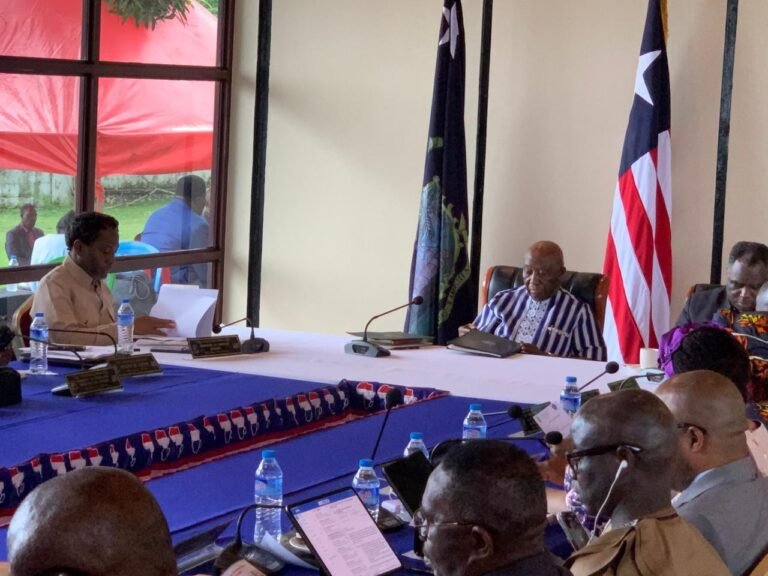
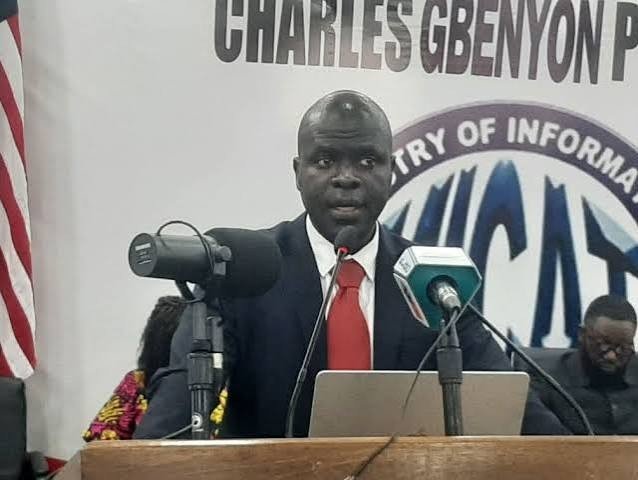
EPA Executive Director Dr. Emmanuel K. Urey Yarkpawolo made the disclosure Thursday during the Ministry of Information’s regular press briefing in Monrovia.
Dr. Yarkpawolo said the event will bring together senior government officials, representatives of United Nations institutions, development partners, civil society organizations and other stakeholders to examine how climate change and natural resource management affect peace, security and sustainable development.
He said the value of the discussion lies in recognizing that climate change does not automatically cause conflict but can act as a “threat multiplier” by intensifying poverty, displacement, food and water insecurity, competition over land and natural resources, weak governance and existing social tensions.
According to the EPA boss, these pressures can become particularly dangerous in fragile and vulnerable countries, where they can weaken social cohesion and increase the risk of instability.
Dr. Yarkpawolo said the issue is particularly relevant to Liberia because the country is endowed with significant natural resources, including forests, minerals, wetlands and coastal ecosystems.
He noted that Liberia’s natural resources and biodiversity are important not only to the national economy and livelihoods of Liberians but also to the ecological health of the wider region and the global environment.
However, he said Liberia continues to face environmental pressures, including coastal erosion, flooding, deforestation, wetland degradation, unsustainable mining, pollution and increasing pressure on land and other natural resources.
The EPA Executive Director warned that when communities do not benefit fairly from natural resources, environmental laws are not respected, or public concerns about environmental impacts are ignored, grievances can emerge and existing inequalities can deepen.
“Our experience has taught us that peace cannot be separated from the environment,” Dr. Yarkpawolo said.
He stressed that sustainable peace requires the fair, transparent and responsible management of natural resources, adding that climate action must be linked to conflict prevention, peacebuilding, community resilience, job creation and inclusive development.
Dr. Yarkpawolo said the upcoming side event will seek to place the relationship between climate and security more prominently on the international agenda.
He said Liberia will use the platform to share its national experience while learning from other countries, UN institutions and development partners.
According to him, Liberia will also demonstrate how its Nationally Determined Contribution (NDC), adaptation priorities and natural resource governance reforms can contribute to both environmental protection and lasting peace.
He said the discussions will provide an opportunity for Liberia to demonstrate that environmental protection and peacebuilding can be pursued together through effective governance, climate action and inclusive development.
Dr. Yarkpawolo said the event is expected to produce five major outcomes.
The first is the development of policy recommendations for integrating climate planning, security, conflict prevention and natural resource governance into international, regional and national decision-making.
The second is to strengthen partnerships among governments, UN agencies, development institutions, civil society, the private sector and affected communities.
The third is the identification of opportunities for climate financing and investment in vulnerable communities and regions, particularly those affected by coastal erosion, land degradation, environmental pressures and livelihood insecurity.
The fourth outcome will focus on stronger natural resource governance, including transparent institutions, equitable benefit-sharing and meaningful participation of women, indigenous peoples and local communities in decisions concerning natural resources.
The fifth is to identify practical ways of translating scientific evidence and policy discussions into concrete actions capable of building peace, strengthening resilience and advancing sustainable development.
Dr. Yarkpawolo said the EPA-led initiative forms part of Liberia’s broader preparations to use its role on the UN Security Council to advance issues of national, regional and global importance.
He said Liberia’s leadership in convening the discussion reflects President Joseph Nyuma Boakai’s vision of promoting peace, responsible environmental governance and inclusive national development.
The initiative, he added, also reinforces Liberia’s commitment to constructive international engagement and its responsibilities as a member of the United Nations Security Council.
Dr. Yarkpawolo expressed appreciation to the Ministry of Foreign Affairs, Liberia’s Permanent Mission to the United Nations, UNDP and other partners for supporting the initiative.
He also called on the Liberian media to help raise public awareness about the connection between climate change, peace, security and natural resource governance.
He said Liberia recognizes the importance of contributing practical solutions to the growing global conversation on climate security and sustainable development.
About The Author