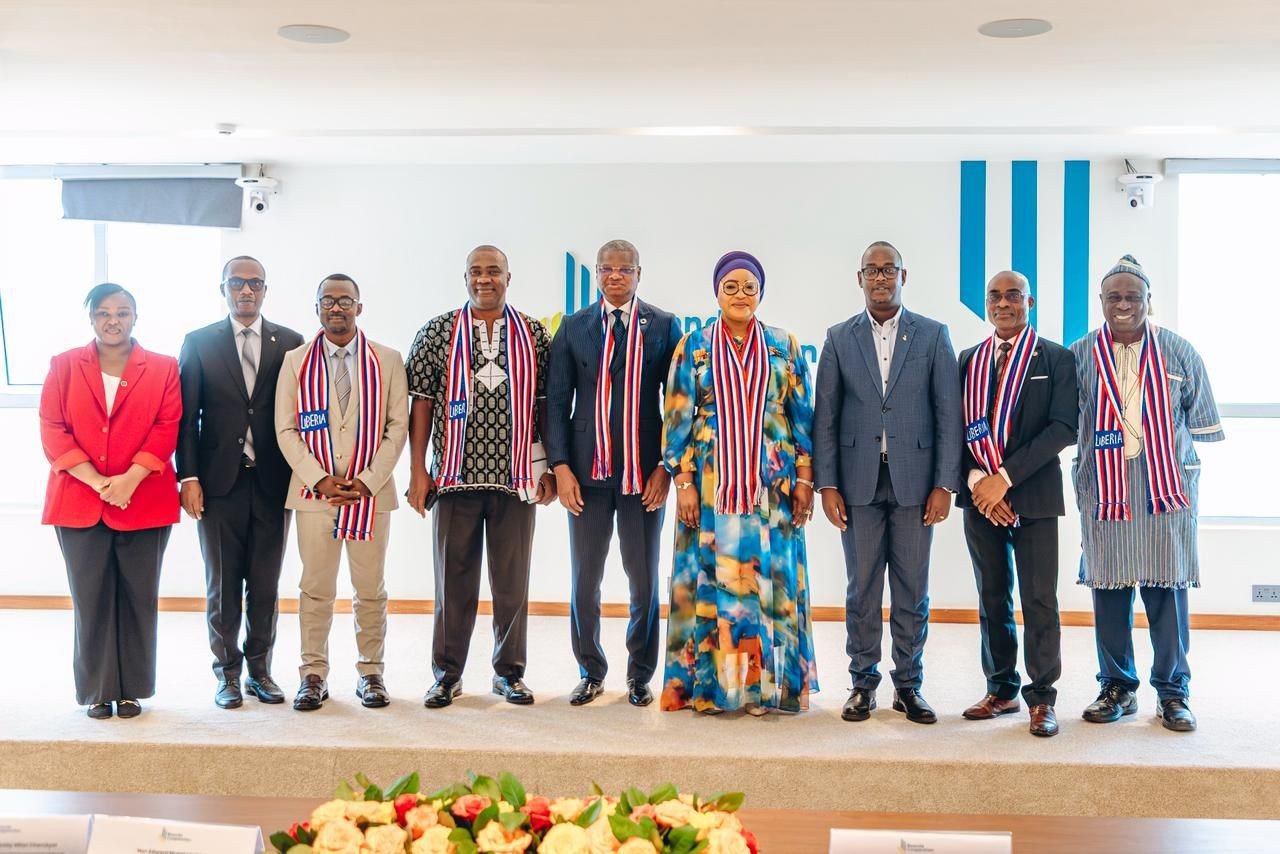
KIGALI, Rwanda — Liberia has concluded the Rwanda phase of a high-level study mission aimed at gathering lessons and practical experiences to guide the establishment of the proposed Liberia Peace, Reconciliation and Memorial Museum.
The initiative, being supported by the United Nations Development Programme (UNDP), is intended to preserve Liberia’s history, promote national healing and ensure that lessons from the country’s civil conflict are passed on to future generations.
The Liberian delegation, headed by Minister of State without Portfolio Hadja Mamaka Bility, held engagements with Rwandan institutions involved in reconciliation, historical preservation, archives, education and post-conflict recovery.
Minister Bility said the mission forms part of President Joseph Nyuma Boakai’s broader vision to make reconciliation an institutional process rather than one limited to public speeches and discussions.
“This study tour is part of President Joseph Nyuma Boakai’s vision for national reconciliation, with the support of UNDP. We want to move Liberia beyond simply talking about reconciliation to building strong institutions that can preserve our experiences, tell our story, and pass the lessons of our past on to future generations,” Bility said.
The initiative follows President Boakai’s broader reconciliation efforts, including his public apology in July 2025 on behalf of the Liberian State to victims and families affected by the country’s civil conflict.
During the Rwanda phase, the Liberian delegation examined the country’s approaches to national unity, reconciliation, citizenship education, community resilience and the preservation of historical memory.
The delegation visited and engaged with institutions and initiatives including the Gacaca archives and their digitization program, Rwanda’s National Archives, the Campaign Against Genocide Museum, the University of Rwanda’s Centre for Conflict Management, the Rwanda Peace Academy and the Mutobo Demobilisation and Reintegration Centre.
The engagements provided lessons on how Liberia could collect, authenticate, digitize and preserve photographs, films, documents, testimonies and other historical materials currently scattered among government institutions, private collections and archives in Liberia and abroad.
The mission also underscored the importance of designing the proposed museum as more than a physical structure. Participants emphasized that a credible memorial institution should incorporate education, research, documentation, reconciliation and community engagement.
UNDP Liberia Resident Representative Amb. Aliou Mamadou Dia said the study mission is part of broader efforts to strengthen peacebuilding, reconciliation and national unity in Liberia.
“UNDP is working with the Government of Liberia to support the establishment of a Peace and Reconciliation Museum as part of the President’s broader reconciliation agenda,” Dia said.
He added that the mission provides an opportunity for Liberia to learn from other countries, identify lessons that can be adapted to its own circumstances and engage potential partners who could assist the government in realizing the project.
Dia stressed that sustainable peace requires Liberia to confront difficult aspects of its past, pursue genuine reconciliation and strengthen accountability while preserving historical memory for future generations.
As the Rwanda phase concluded, discussions with Rwanda Cooperation also highlighted prospects for continued technical collaboration with Liberia.
Potential areas of cooperation include museum development and management, training for Liberian heritage professionals, preservation and digitization of historical records and testimonies, peace education and technical exchanges, including possible collaboration with Aegis Trust Rwanda.
The Liberian delegation is now expected to proceed to South Africa, where it will continue studying African experiences in national healing, peacebuilding, reconciliation and memorialization.
The mission has reinforced the view that Liberia will need to develop a model rooted in its own history rather than simply replicate the experience of another country.
The proposed institution is expected to draw on the voices, photographs, documents, testimonies and experiences of Liberians to acknowledge the country’s past, educate future generations, promote healing and help prevent a return to conflict
About The Author