By Emmanuel Tobotinho Quiah
MONROVIA -Maryland County Agriculture Coordinator Peter Klah has called on the Liberian government, development partners and stakeholders to treat rice production as a national emergency, stressing that the country can no longer rely heavily on imported rice for survival.
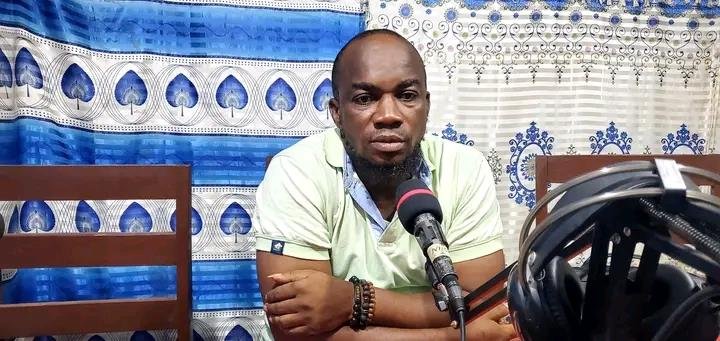
Speaking in an interview on a local radio station in Pleebo City on May 7, 2026, Mr. Klah said Liberia must make serious investments in agriculture, particularly in rice farming, to strengthen food security and reduce economic pressure caused by import dependency.
According to him, local rice production is critical to the country’s future and should be considered a top national development priority. He warned that failure to increase domestic production could continue to expose Liberia to food shortages and rising market prices.
Mr. Klah revealed that Maryland County has maintained active rice farming activities over the last four years, but recent production levels have dropped due to challenges faced by farmers.
He said many growers have complained about inadequate farming equipment and limited government support, which continue to affect productivity.
To address the situation, he disclosed that the Ministry of Agriculture, through its county office in Maryland, recently distributed farming tools and materials to lowland rice farmers throughout the county.
The initiative, he noted, aims to improve cultivation and respond to concerns raised by local farming communities.
The agriculture coordinator further stated that Liberia is entering a new phase of national development, where the government is taking greater responsibility for setting its own priorities.
He explained that after conducting four peaceful democratic elections, the country is gradually shifting away from heavy dependence on externally driven policies and is now focusing more on homegrown development strategies.
Mr. Klah urged Liberians, especially young people, to become more involved in agriculture, describing the sector as a key driver of economic growth, job creation, and national stability.
About The Author