The Ministry of Mines and Energy (MME), in collaboration with the Liberia Compact Delivery and Monitoring Unit (CDMU), has held the first quarterly meeting of the Mission-300 Energy Compact Steering Committee to assess progress in expanding electricity access and advancing Liberia’s national energy agenda.
The high-level meeting, held at the Ministry of Mines and Energy in Monrovia, brought together senior government officials and technical experts from key institutions, including the Liberia Electricity Corporation (LEC), the Liberia Electricity Regulatory Commission (LERC), the Rural and Renewable Energy Agency (RREA), and members of the Compact Delivery and Monitoring Unit.
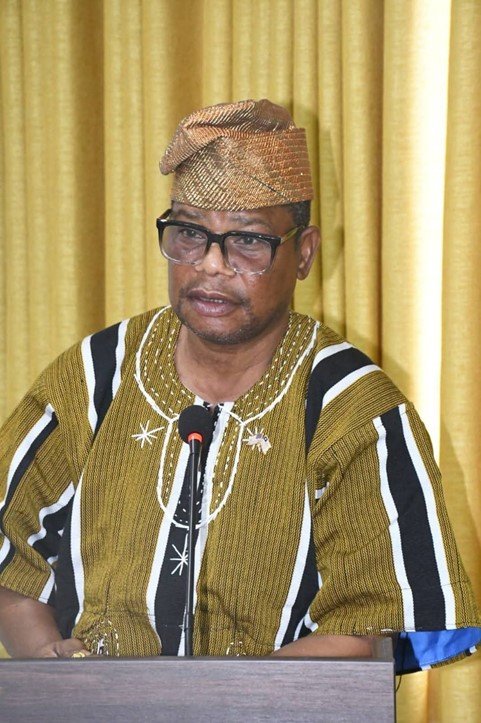
Chairing the meeting, Mines and Energy Minister R. Matenkay Tingban described the Steering Committee as a critical oversight body responsible for ensuring effective coordination and results-driven implementation of the Mission-300 Energy Compact.
He said the meeting provided an opportunity to review implementation progress, identify obstacles, and strengthen collaboration among institutions working to improve electricity access across Liberia.
Presenting the Compact’s progress report, Program Manager Kelvin K. Grugbaye said Liberia has committed to implementing 24 policy and program actions aimed at strengthening the country’s energy sector. The initiatives focus on improving energy governance, expanding renewable energy, increasing electricity access, promoting clean cooking solutions, enhancing regional power integration, and attracting private sector investment.
According to the report, about half of the planned actions are currently being implemented, while eight percent have already been completed. Renewable energy generation has reached 86 percent, surpassing the national target, while approximately 80 percent of the annual goal of connecting 100,000 new households to electricity has been achieved.
The Liberia Electricity Corporation also reported progress in improving revenue collection, strengthening anti-power theft measures, and enhancing financial transparency. Officials further disclosed that Liberia’s first Independent Power Producer (IPP) projects are expected to begin this year, marking another milestone in private sector participation in the country’s energy sector.
Despite the progress, committee members identified several challenges slowing implementation, including delays in approving the Revised National Energy Policy, slow procurement processes, pending financing agreements for electricity generation and rural electrification projects, and the need for increased technical support from Mission-300 development partners.
The meeting also reviewed efforts to promote clean cooking technologies. While partners, including the World Bank and EnDev GIZ, have supported the development of national strategies, participants noted that adoption remains below expectations.
Officials stressed the need for stronger government coordination to meet the national target of providing clean cooking solutions to 200,000 households under the ARREST Agenda for Inclusive Development. They warned that continued dependence on traditional biomass for cooking carries significant economic, environmental, and public health costs, particularly for women and children.
At the conclusion of the meeting, the Steering Committee adopted several resolutions aimed at accelerating implementation of the Mission-300 Energy Compact and reaffirmed its commitment to holding quarterly review meetings to monitor progress and address emerging challenges.
Deputy Minister for Energy Charles Umehai thanked participating institutions for their continued collaboration and reaffirmed the Ministry’s commitment to expanding reliable and affordable energy access for all Liberians through stronger oversight and coordinated implementation of the Compact.
About The Author