By Jamesetta D. Williams
MONROVIA–A reported death involving an officer of the Liberia Immigration Service (LIS) has renewed public attention on a series of unresolved and contested deaths in Liberia, with citizens and families questioning whether the government is doing enough to bring closure and justice to cases that have remained under public scrutiny for years.
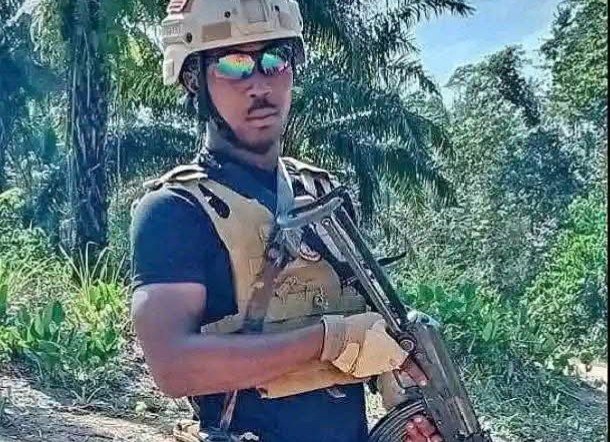
Reports reaching Crime Watch Liberia indicate that Nathaniel Kesselly, an officer of the Liberia Immigration Service, allegedly died on Thursday, September 3, 2026, in Lofa County.
Kesselly, who was reportedly assigned to the Sorlumba border in Foya District, allegedly died after he shot himself, according to preliminary reports.
However, the circumstances surrounding his death have not yet been independently established.
Charles Green, Deputy Spokesperson of the Liberia Immigration Service, confirmed the incident to Crime Watch Liberia, saying that an investigation has been launched to verify the circumstances surrounding the officer’s death.
The latest incident comes amid continuing public concern over several deaths that have either remained unresolved or have generated controversy over the years.
Among the cases frequently cited is the October 2020 death of Emmanuel Barten Nyeswa, former Director-General of the Internal Audit Agency. Nyeswa was found dead at his compound, with an official report attributing his death to a fatal fall. However, members of his family and opposition groups have continued to question the circumstances surrounding his death and have called for a conclusive and independent review.
The case occurred during a troubling period in which the deaths of several government auditors also attracted national attention.
Albert Peters and Gifty Lama, senior officials of the Liberia Revenue Authority, were found dead inside a parked vehicle in Monrovia in October 2020. An official autopsy attributed their deaths to carbon monoxide poisoning, but the findings generated controversy and public skepticism.
Another LRA auditor, George F. Fanbutu, also died suddenly shortly after the deaths of Peters and Lama. His death has subsequently been cited by political and civic groups calling for greater accountability and clarity surrounding the series of incidents.
Other security-related deaths have also remained a source of concern, including the death of Melvin Alex Earley, an officer of the Executive Protection Service, whose family reportedly raised prolonged concerns over the circumstances surrounding his death and the lack of final legal accountability.
The death of Bobby Manndeh, a Sergeant of the Armed Forces of Liberia who reportedly died under unclear circumstances while on duty at Edward Beyan Kesselly Barracks, has likewise been mentioned among cases that have generated calls for greater transparency.
The growing concern comes against the backdrop of President Joseph Nyuma Boakai’s earlier directive for renewed investigations into unresolved mysterious deaths and other cases of national concern.
Opening the first Cabinet meeting of the year, President Boakai warned his ministers against focusing on the 2029 elections instead of serving the Liberian people.
“If your focus is on 2029, you may respectfully resign. My priority is serving the Liberian people right now,” the President said.
As part of that agenda, President Boakai ordered a full-scale investigation into unresolved cases, including the disappearance of missing boys, the deaths of government auditors, and other cases of national concern.
The Liberian people deserve answers,” the President declared, adding that no case would be ignored and that his administration would seek to bring closure to the tragedies and ensure justice is served.
The President also directed law enforcement agencies to expedite their investigations, work with international partners where necessary, and provide regular updates to the public.
He further assured citizens that his administration would not tolerate impunity and was committed to transparency.
Despite those commitments, the continued emergence of new deaths and the lack of definitive conclusions in some older cases have prompted questions among citizens, grieving families, and civic actors about the pace of justice under the current administration.
For some citizens, the concern is not only about the individual cases but also about whether the government’s promise to investigate unresolved deaths is translating into concrete results.
The question now being raised is whether some of these cases have received sufficient attention or whether investigations have been delayed for too long.
Families of victims and members of the public continue to seek clear answers, while authorities are being urged to communicate openly about the progress of investigations and the findings reached in each case.
The Charloe Musu murder case, one of the country’s most closely watched recent cases, has also remained part of the wider national conversation about justice and accountability.
Charloe Musu, the niece of former Chief Justice Gloria Musu-Scott, was killed at the family’s residence in Brewerville, outside Monrovia, on February 22, 2023. Musu-Scott and three other defendants were arrested, charged, and prosecuted in connection with the case.
The case attracted significant public attention and was tried before Criminal Court “A.” A jury later found Musu-Scott and her co-defendants guilty of murdering Charloe Musu. The defendants had maintained their positions during the legal proceedings, and the case has continued to generate public interest over accountability and the administration of justice.
The latest reported death of LIS Officer Nathaniel Kesselly has therefore added another layer to an already sensitive national debate.
While authorities have yet to establish the full circumstances surrounding Kesselly’s death, the LIS says an investigation is underway.
For many Liberians, however, the broader concern remains whether investigations into deaths that have troubled the country for years will finally produce clear and credible conclusions.
Citizens and families continue to ask: Why have some of these cases taken so long to resolve? Have the investigations been pursued with the urgency promised by the government? And will the families of those who died finally receive the answers and justice they have been demanding?
As the government continues its investigations, public attention remains focused on whether President Boakai’s pledge that “no case will be ignored” will result in timely investigations, transparent findings, and accountability where wrongdoing is established.
About The Author