By Jamesetta D Williams
The Government of Liberia has officially launched the Tax Expenditure Management Act of 2025, describing it as a major reform aimed at strengthening fiscal governance, improving transparency, and ensuring greater accountability in the administration of tax incentives.
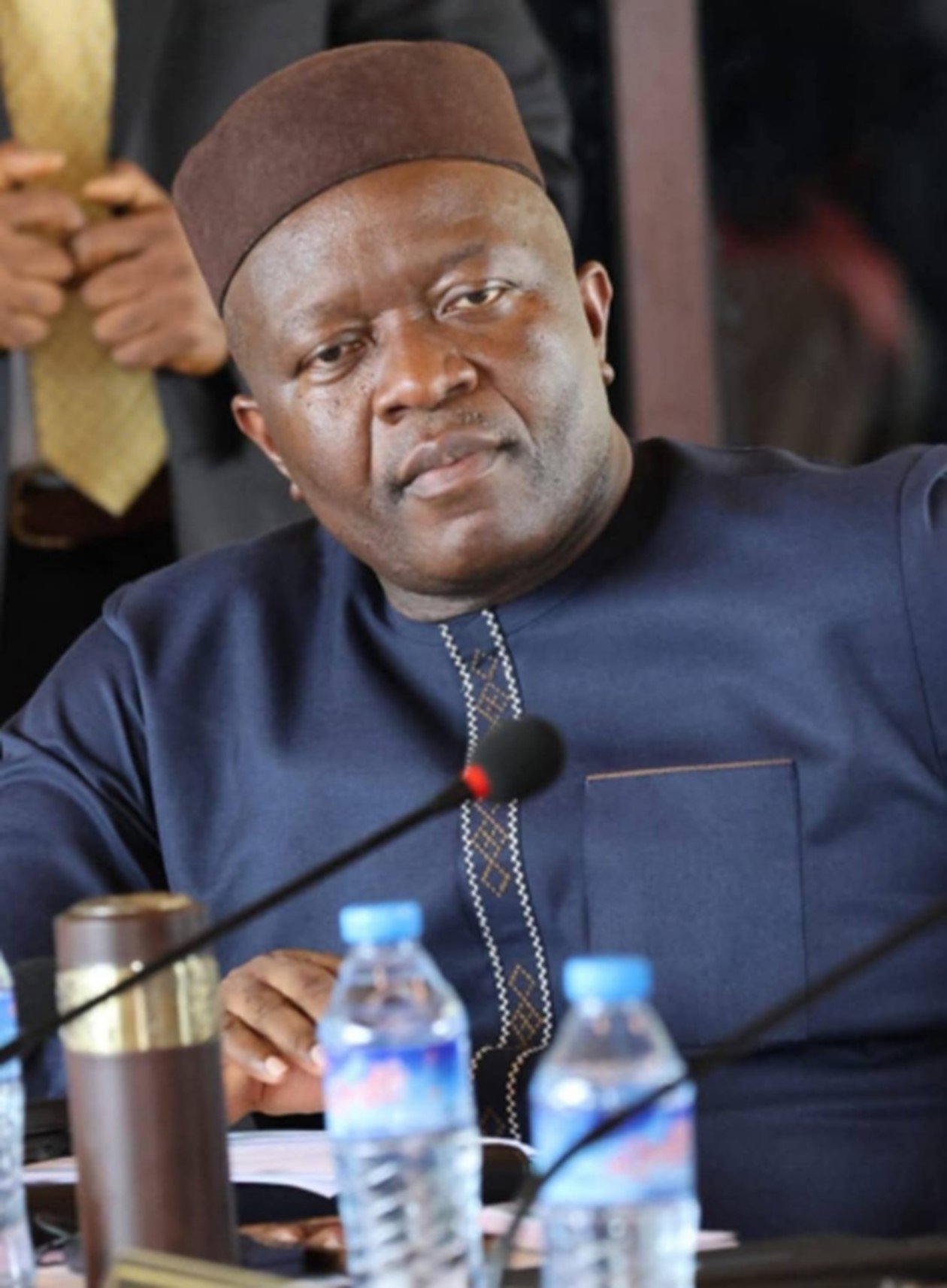
Speaking Tuesday at the launch ceremony held at Monrovia City Hall on behalf of Finance and Development Planning Minister Augustine Kpehe Ngafuan, Deputy Minister for Fiscal Affairs Anthony Myers said the legislation represents a significant milestone in Liberia’s efforts to modernize its tax system and strengthen public financial management.
According to Myers, the Act establishes, for the first time, a comprehensive legal framework governing the application, approval, administration, monitoring, evaluation, and reporting of tax expenditures across all sectors of the economy.
He said the reform is intended to ensure that every tax incentive granted by the government contributes to national development while safeguarding public revenue.
“Today’s event is not simply the launch of another law, but the latest in a series of reforms aimed at making Liberia’s fiscal system more transparent, efficient, and accountable,” Myers noted.
The Deputy Finance Minister emphasized that while governments around the world use tax incentives to attract investment, promote industrialization, create jobs, and encourage technology transfer, such incentives also represent revenue deliberately forgone by the government.
He stressed that tax exemptions, customs duty waivers, tax holidays, and other incentives are public resources that deserve the same level of transparency and oversight as direct government expenditures.
According to him, Liberia’s previous tax expenditure system evolved through various laws, concession agreements, investment contracts, Executive Orders, donor agreements, and international treaties, resulting in a fragmented framework with limited oversight and reporting.
Myers explained that the new legislation consolidates those arrangements into a single legal framework designed to improve transparency, strengthen monitoring, and regularly assess whether tax incentives continue to deliver measurable economic and social benefits.
Among the key innovations introduced by the Act, he highlighted the creation of Liberia’s first National Tax Expenditure Register, which will serve as a centralized database of all tax incentives and exemptions granted under Liberian law.
The register, he said, will identify beneficiaries, document the legal basis for each incentive, estimate government revenue forgone, and monitor the duration and performance of approved tax expenditures.
The legislation also requires the publication of an Annual Tax Expenditure Report to provide policymakers, legislators, development partners, investors, researchers, and the public with detailed information on the fiscal cost and effectiveness of tax incentives.
In addition, Myers said the Act introduces mandatory Fiscal Impact Assessments before new tax incentives are approved, requiring proposed incentives to demonstrate clear economic justification, measurable development benefits, and an assessment of their fiscal implications before implementation.
He added that future applications will undergo ex-ante evaluations before approval, while extensions and renewals will be subject to ex-post performance assessments.
Myers rejected suggestions that the law could discourage investment, arguing instead that it strengthens Liberia’s investment climate by promoting certainty, transparency, predictability, and consistency in the administration of tax incentives.
He reaffirmed the government’s commitment to attracting responsible investment capable of creating jobs, expanding exports, promoting local value addition, encouraging technology transfer, and supporting national development.
Quoting President Joseph Nyuma Boakai, Myers reiterated that “Liberia is open for business,” adding that the new legal framework balances investment promotion with fiscal sustainability.
The Deputy Minister credited President Joseph Nyuma Boakai Sr. for supporting reforms aimed at improving governance, domestic resource mobilization, and fiscal responsibility.
He also commended the National Legislature for passing the legislation and acknowledged the contributions of the Ministry of Finance and Development Planning’s Revenue Tax Policy Division, the Liberia Revenue Authority, the Ministry of Justice, sector ministries, development partners, private sector representatives, civil society organizations, and technical experts involved in developing the Act.
Myers emphasized that the successful implementation of the law will require close collaboration among government institutions, lawmakers, development partners, investors, and beneficiaries of tax incentives.
He said effective implementation will improve investor confidence, strengthen fiscal transparency, increase domestic revenue mobilization, and ensure that tax incentives are aligned with Liberia’s long-term development priorities.
On behalf of Finance and Development Planning Minister Augustine Kpehe Ngafuan, Myers officially declared the Tax Expenditure Management Act of 2025 launched, describing the legislation as the foundation for a stronger fiscal system and a more competitive Liberian economy.
About The Author