
By Jamesetta D. Williams
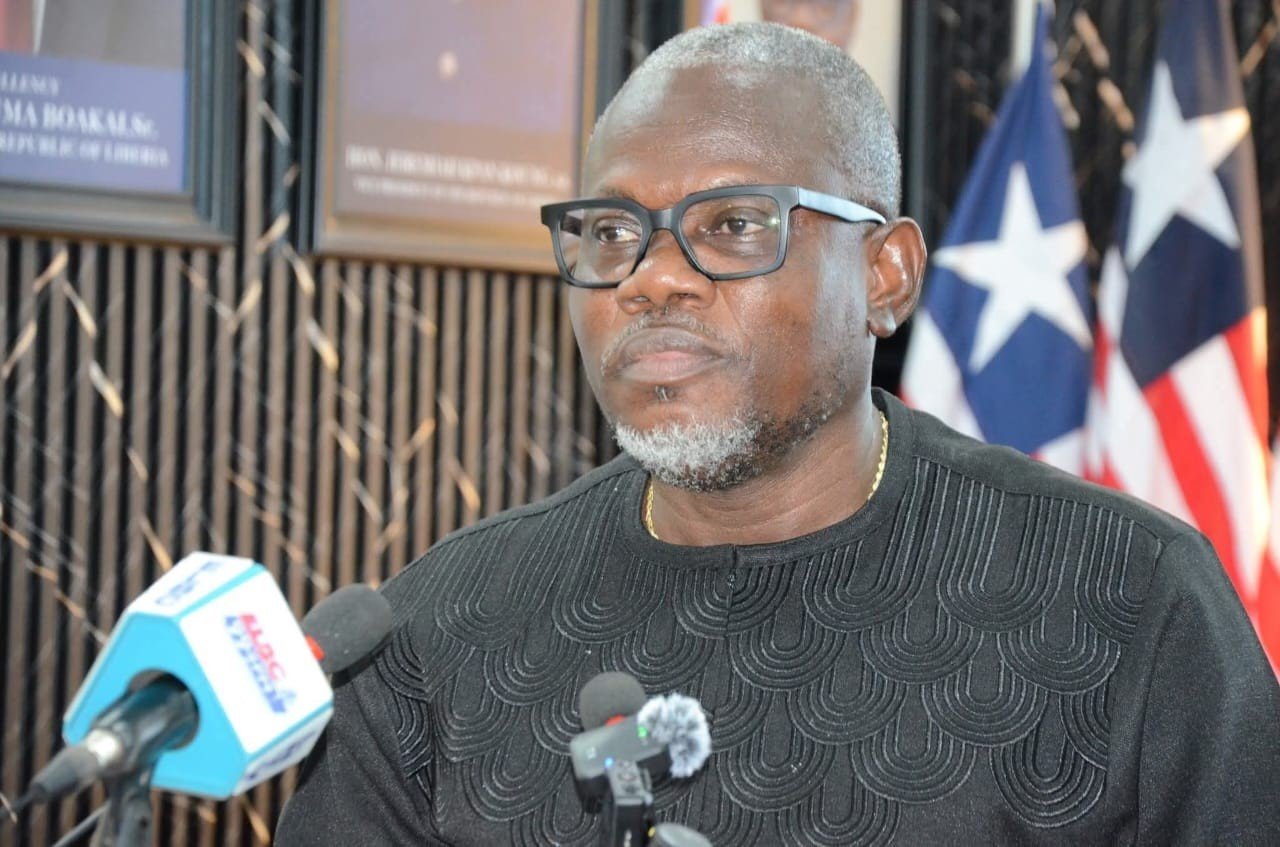
Monrovia-Information Minister Jerolinmek M. Piah took to the dais at last week in defence of the performance of President Joseph Nyuma Boakai’s administration, arguing that no government can solve all of a country’s longstanding problems within a single term.
“Nobody takes six years to solve all the problems, even in the great United States,” Piah said, emphasizing that Liberia’s development should be assessed based on the progress made during the administration’s six-year tenure.
The minister’s remarks come amid public debate over the government’s performance, economic conditions, revenue generation, and progress in fulfilling its campaign promises.
Piah maintained that addressing Liberia’s longstanding challenges requires time, effective governance, and sustained efforts across successive administrations rather than expecting one government to resolve every national problem.
According to him, the administration should be judged by the progress it makes during its time in office, including its efforts to strengthen public institutions, improve revenue collection, and advance national development.
He also argued that sustainable development depends on continuity, with successive governments building on previous achievements instead of reversing progress whenever political leadership changes.
The minister acknowledged the importance of public scrutiny in a democratic society but cautioned against criticism that, in his view, fails to recognize progress made by the government.
He emphasized that constructive criticism remains important to improving governance, while urging political leaders and citizens to support efforts aimed at addressing the country’s development challenges.
Piah also referenced the role of government revenue authorities in supporting his argument that improved revenue collection and administrative efficiency could strengthen Liberia’s ability to finance its own development.
Effective revenue generation is important to the government’s capacity to fund public services, infrastructure, education, healthcare, and other national priorities.
The minister’s argument suggests that strengthening domestic revenue collection could help reduce financial constraints and improve the government’s ability to implement development programs.
However, the specific revenue figures, administrative measures, and achievements referenced in his remarks would need to be confirmed to assess the extent of progress made by the administration.
In a separate announcement, Piah said Liberia would hold the presidency of the United Nations Security Council in December 2026.
The position would place Liberia in a prominent role within the United Nations body responsible for maintaining international peace and security.
The Security Council presidency rotates among its members, giving the country holding the position responsibility for presiding over council meetings and helping coordinate its work during that month.
For Liberia, the presidency would provide an opportunity to participate in shaping discussions on international peace, security, and other issues on the Council’s agenda.
The announcement comes as the Boakai administration continues to engage with international partners and pursue Liberia’s participation in multilateral diplomacy.
Piah maintained that Liberia’s development should be viewed as a continuing national process rather than a task that can be completed by one administration.
He argued that while citizens have the right to demand results from their leaders, lasting improvements in the country’s economic and institutional conditions require sustained commitment and cooperation.
The minister also called for greater national unity, expressing hope that Liberia would continue making progress under the Boakai administration.
His remarks reinforce the government’s position that its performance should be assessed by its achievements over time, while public debate continues over whether its policies are producing sufficient improvements in the lives of ordinary Liberians.
As the administration moves further into its tenure, issues including employment, economic opportunities, public services, revenue generation, and the fulfillment of campaign promises are likely to remain central to discussions about its performance.
About The Author