
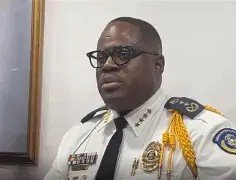
MONROVIA–The Press Union of Liberia (PUL) remains deeply befuddled over Police Inspector General Col. Gregory Coleman’s taint of the Liberian media, linking it to drugs cartel. With a week elapsed since the top cop accused the media of taking money from drug cartels, the media organization is not exsufflicating the matter as it continues to search for answers.However, with no evidence yet produced, the question now gripping newsrooms and government circles is the same, whether it was a warning based on fact, or a scare tactic to silence scrutiny. It is through the media voices of Liberians from all walks of life as well as civil society organizations on the troubling saga are being lifted, urging the government to pursue the matter with diligence, meticulousness and alacrity.
Recall that on July 30, 2026 IG Coleman, speaking for the Government’s Joint Security Investigative Taskforce, dropped a bombshell, revealing the Investigative Taskforce had “verified and established” that a drug cartel had “infused monies into the media” to sway and influence investigations into the seizure of over half a billion dollars’ worth of cocaine.
Since then, the allegation has hung in the air, as there are no names, no receipts or no institutions named, and on top of that, the PUL did not let it slide, as it issued a 72-hour ultimatum demanding that the Police IG provide clear-cut evidence to substantiate the claim.
In response to the expiry of the deadline on Monday, August 3, 2026, with nothing from the police, members of the PUL met in a charged general assembly at the Union’s Head Office in Monrovia and voted overwhelmingly to do the needful, including constructive engagement, engaging the presidency and proceeding with legal actions.
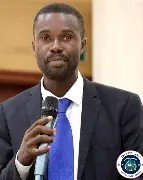
The body mandates the leadership of the Press Union of Liberia to contact our lawyers with immediate effect to seek appropriate remedies to this issue and report within one week, after an-hour deliberation.
PUL President Julius Kanubah, who presided, commended members for what he called “strong solidarity in defense of the integrity of the media.” “We are not in confrontation with government,” Kanubah said. “But the government must provide evidence to aid the fight against illicit drugs rather than stifling it by failing to reveal the names of media institutions allegedly working with the cartel.”
Coleman’s claim is made, according to officials, at the worst possible time Liberia finds itself in the middle of its largest drug investigation in history amid two drugs seizures – 3,971 kg in Duazon) and 237.6 kg at RIA.
The discovery and seizure led to the suspension and dismissal of several security and port officials, while many others are undergoing investigation.
Accusing the media of being paid off, according to experts, cuts two ways. To government supporters, it explains why some reports have been aggressive in naming officials, while journalists see it as a direct attack on credibility at a moment when reporting on the drug crisis is most needed.
“The IG’s statement should not go without challenge,” members at the PUL meeting said. “It may have been made out of frustration and intended to distract attention from heightened media reports implicating senior security and government officials in collaboration with the cartel.”
The Union warned that unsubstantiated allegations “erode public trust, endanger the safety of journalists, and undermine the credibility of the media.”
Inside the security sector, sources say the Taskforce is under immense pressure to produce results and protect the integrity of the investigation, with reports that leaks, trial-by-media, and misinformation have complicated the case.
However, media leaders argue that if the police have intelligence, they have a duty to share it, not in press conferences, but with specific outlets and through legal channels. “You cannot throw a blanket accusation over the entire press and then go silent,” one editor said. “Either name the media houses, show the money trail, or retract. Silence makes it look like scare tactics.”
Police authorities have not responded publicly since the ultimatum expired, and the issue is said to be bigger than PUL vs LNP thing.
For others, it is an attack on press freedom because if the allegation stands without proof, it sets a precedent that journalists can be branded as criminal collaborators without due process.
It also will have den on the credibility of the drug war. The Boakai administration has staked political capital on fighting drugs, and that any perception that it is attacking the messenger instead of the masterminds could damage public confidence.
Public trust is also at stake, with observers saying in an era of fake news, both the police and the press need credibility as the standoff risks dragging both institutions down.
The PUL leadership has one week to report back to the membership on suggested remedies. For now, newsrooms continue to cover the drug seizures, the destruction process, and the political fallout — with the added burden of defending their own integrity.
About The Author