By Jamesetta D Williams
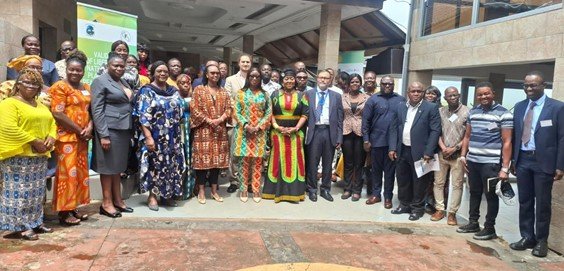
MONROVIA – On July 2, The Government of Liberia, through the Ministry of Gender, Children and Social Protection (MGCSP), has commenced a two-day National Validation Workshop for Liberia’s Third National Action Plan (NAP III) on Women, Peace and Security (WPS), reaffirming the country’s commitment to advancing gender equality, sustainable peace, and women’s leadership.
The workshop, held under the framework of United Nations Security Council Resolution (UNSCR) 1325, brings together representatives of government ministries and agencies, the security sector, development partners, civil society organizations, traditional and religious leaders, academia, women and youth groups, and international partners to validate a nationally owned roadmap that will guide the implementation of Liberia’s Women, Peace and Security Agenda in the coming years.
Opening the workshop, Gender Minister Hon. Gbeme Horace-Kollie described the validation as a major milestone in Liberia’s continued leadership on the global Women, Peace and Security Agenda.
“It has been a long and purposeful journey characterized by unwavering dedication and commitment to reaffirm Liberia’s leadership within the international community in advancing the Women, Peace and Security Agenda,” the Minister said.
She noted that the Third National Action Plan reflects the Government’s determination to strengthen institutional accountability, promote women’s participation in governance and peacebuilding, and develop an evidence-based and results-oriented framework aligned with both national priorities and international commitments.
Minister Horace-Kollie highlighted Liberia’s historic role as the first African nation to adopt a National Action Plan under UNSCR 1325. She also pointed to recent progress, including the appointment of Liberia’s first female Minister of National Defense and the increase in women’s representation within the Armed Forces of Liberia from four percent in 2022 to seven percent in 2024.
Despite these gains, the Minister acknowledged that Sexual and Gender-Based Violence (SGBV), intimate partner violence, harmful gender norms, and the low representation of women in political leadership remain major challenges. She noted that women currently occupy only about 11 percent of seats in the National Legislature.
According to her, the Third National Action Plan must serve as a practical and inclusive framework that strengthens institutional coordination, accelerates women’s leadership, and promotes sustainable peace and national development.
She further emphasized that the validation process goes beyond policy development, saying it represents the aspirations of rural women, market women, cross-border traders, Peace Hut members, farmers, and thousands of Liberian women whose lives depend on peace, justice, security, and equal opportunity.
Speaking on behalf of the Ministry of Justice, government representatives reaffirmed their commitment to translating the Action Plan into concrete protections and opportunities for women and girls. They pledged continued efforts to strengthen legal frameworks, improve accountability, expand access to justice, and protect women and girls from violence and discrimination.
United Nations Resident Coordinator Christine Umutoni commended the Government of Liberia for leading the development of the Third National Action Plan and praised the collaborative efforts of partners, including the African Union and UN Women.
She stressed that successful implementation of the Action Plan will require adequate financing, clearly defined institutional responsibilities, measurable targets, and realistic budgetary commitments capable of delivering meaningful results for women and communities across the country.
Representing the African Union Special Envoy on Women, Peace and Security, Dr. Sally Wangamati described Liberia’s peacebuilding journey as one of Africa’s most inspiring success stories. She paid tribute to the courage and resilience of Liberian women, particularly their role during the civil conflict through the historic Fish Market Movement, which contributed significantly to the country’s peace process.
Dr. Wangamati emphasized that effective implementation of the Action Plan will depend on sustained political commitment, gender-responsive financing, stronger accountability mechanisms, and continued investment in women’s leadership.
“The African Union remains a steadfast partner to Liberia,” she said, expressing confidence that Liberia’s Third National Action Plan will continue to serve as a model for advancing the Women, Peace and Security Agenda across Africa.
Also speaking, UN Women Liberia Country Representative Abul Hasnat Monjurul Kabir reaffirmed the agency’s commitment to supporting the Government throughout the implementation of the Action Plan. He noted that the plan reflects Liberia’s priorities and supports the Government’s ARREST Agenda for Inclusive Development, particularly in promoting inclusive governance, the rule of law, social cohesion, and human capital development.
Mr. Kabir further observed that Liberia’s current tenure as a Non-Permanent Member of the United Nations Security Council provides an opportunity for the country to showcase its leadership in implementing the Women, Peace and Security Agenda while contributing to regional and global peace and security discussions.
The validation workshop continues on Friday as stakeholders finalize recommendations for Liberia’s Third National Action Plan on Women, Peace and Security, which is expected to strengthen the country’s efforts toward gender equality, peacebuilding, and inclusive national development.
About The Author