
By Jamesetta D. Williams
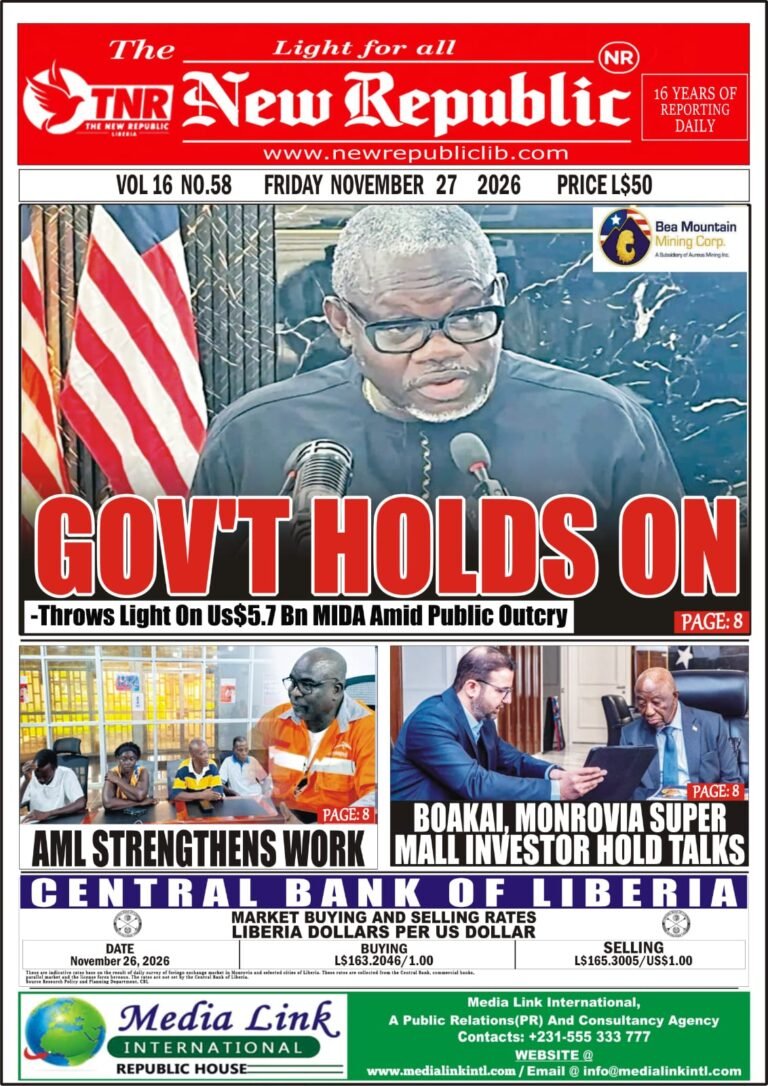
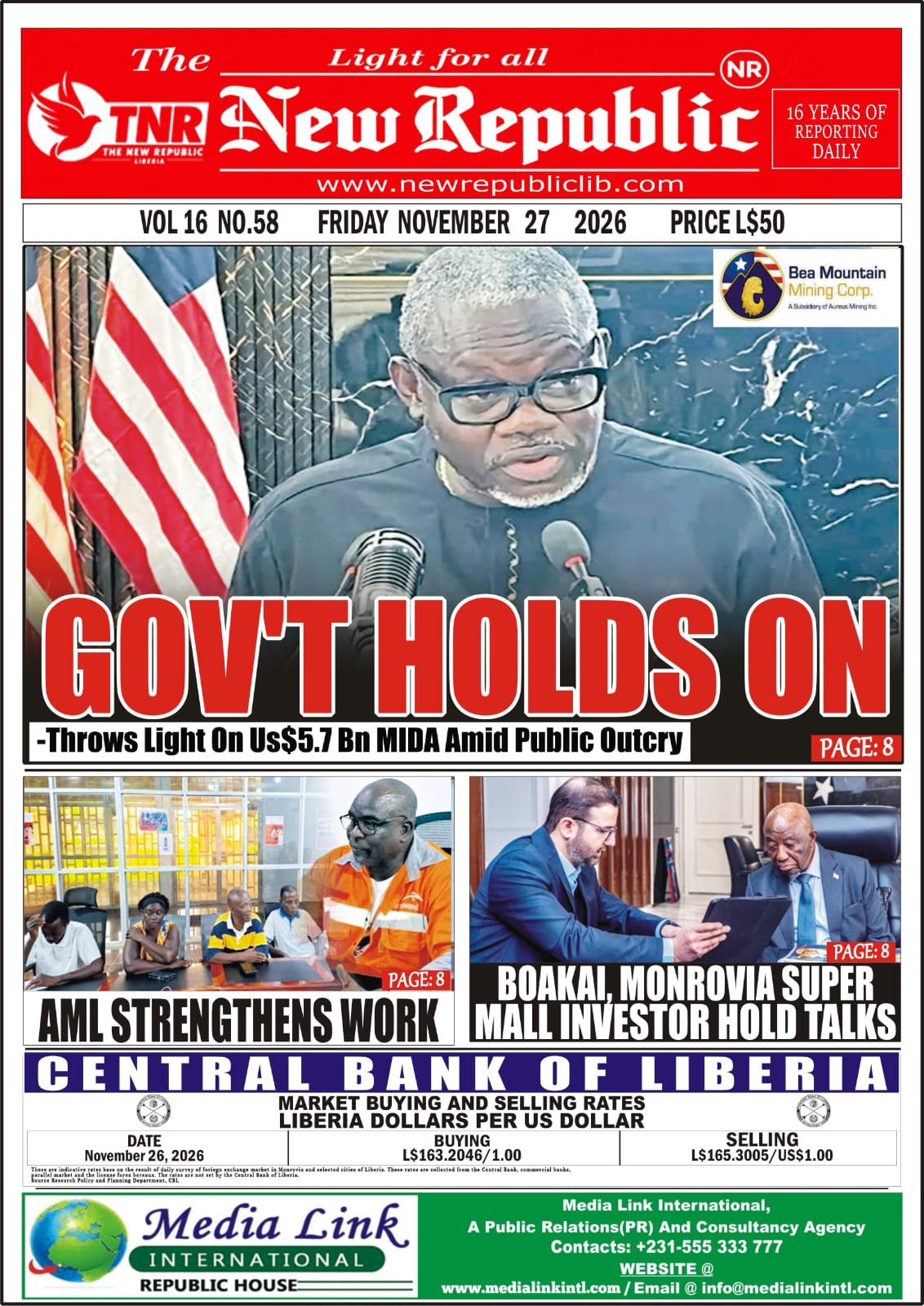
Monrovia-It is now becoming an oscillating battle between the Liberian government and those (critics) whose views of the newly signed US$5.7 billion Master Infrastructure Development Agreement (MIDA) seem to veer off the overall objectives and expected benefits the country stands to accrue.
Against the back to back cruxification of the Deal which has been signed by President and expected to be forwarded to the National Legislature for ratification, the Liberian government is holding on by shedding needed light on the Deal, what it means for the country.
Information Minister Jerolinmek Piah described the Deal as a major step toward addressing the country’s longstanding challenges in the road and energy sectors.
On Wednesday, President Joseph Nyuma Boakai signed deal with Bea Mountain Mining Corporation (BMMC), which is expected to support major infrastructure development across Liberia over a five-year period. But that does not stop the criticisms and condemnation of the deal.
Addressing the different inquiries, concerns and criticisms that marred the Deal, Minister Piah endeavored to sweeten the cake, saying the agreement is designed to address two major obstacles to Liberia’s economic growth: inadequate road infrastructure and unreliable electricity supply.
Just as many officials who voiced their thoughts on the agreement, Minister Piah said it agreement represents the government’s commitment to improving the country’s infrastructure and creating an environment that supports economic activities under the administration’s ARREST Agenda for Inclusive Development.
“The US$5.7 billion MIDA will address two of Liberia’s binding constraints to growth—roads and energy,” Minister Piah stated.
For years, poor road conditions and inadequate electricity supply have remained major challenges to Liberia’s economic development. During the rainy season, several communities become difficult to access because of deteriorating roads, while unreliable electricity continues to affect businesses, industries, and other productive sectors.
The government believes that addressing these challenges will improve transportation, strengthen agricultural production, reduce the cost of doing business, and create opportunities for economic growth.
Under the agreement, approximately 270 megawatts of electricity are expected to be added to Liberia’s national power grid.
The energy component includes the construction of four power plants, including major hydropower facilities with reservoirs designed to help maintain electricity generation during the dry season.
The project will also include improvements to the country’s electricity transmission infrastructure to strengthen the distribution of power across the national grid.
Upon completion, ownership of the electricity facilities will be transferred to the Liberia Electricity Corporation (LEC), which is expected to oversee their operation.
The proposed investment is intended to address Liberia’s persistent electricity shortages and provide a more reliable energy supply for households, businesses, and industries.
In addition to energy development, the MIDA includes 14 road and bridge projects aimed at improving transportation and connecting rural communities to major commercial centers.
The road projects are expected to improve access to agricultural communities, making it easier for farmers to transport their produce to markets and reducing transportation difficulties faced by residents in remote areas.
Upon completion, the road and bridge infrastructure will be transferred to the Ministry of Public Works for management and oversight.
The government maintains that improved road connectivity will support trade, strengthen economic activities, and contribute to development across the country.
Unlike conventional infrastructure projects financed through direct government borrowing, the MIDA is structured around a tax-offset and revenue-advance arrangement.
Under the proposed mechanism, Bea Mountain Mining Corporation, Liberia’s largest commercial gold producer, will provide the initial financing for the construction of the infrastructure projects.
The company is expected to recover its investment over time through offsets against future corporate income taxes, royalties, and government dividends.
Turkish engineering company MAPA İnşaat ve Ticaret A.Ş. has been identified to handle the design and execution of the projects.
The arrangement is being presented by government officials as an alternative approach to financing major national infrastructure without relying entirely on traditional loans.
However, the financing structure has also raised questions about the country’s future revenue, financial obligations, and the long-term implications of allowing a private mining company to recover its investment through government revenues.
Despite the government’s defense of the agreement, the US$5.7 billion deal has generated public debate, with civil society organizations, lawmakers, and former government officials calling for greater scrutiny of its terms.
Among those expressing concerns is the Liberia Council of Churches, alongside other stakeholders who have called for a thorough legislative examination before the agreement receives final approval.
Some of the concerns raised include Liberia’s potential financial exposure, the impact of fluctuations in international gold prices on the agreement, and the need for transparency in the procurement and implementation of the projects.
Stakeholders have also emphasized the importance of ensuring that the agreement protects Liberia’s national interests and provides clear benefits to the country’s citizens.
The concerns come as the agreement is expected to be submitted to the National Legislature for formal review and ratification.
The legislative process is expected to provide lawmakers with an opportunity to examine the financial, technical, and legal provisions of the agreement before deciding on its approval.
Despite the concerns surrounding the agreement, the Boakai administration maintains that the proposed investment offers Liberia an opportunity to address critical infrastructure challenges using its natural resources.
Government officials argue that continued delays in addressing the country’s road and electricity problems could further limit economic growth, discourage investment, and prevent communities from benefiting fully from national development initiatives.
The administration believes that the successful implementation of the agreement could improve access to electricity, strengthen transportation networks, support agricultural activities, and create a foundation for increased economic productivity.
As the agreement moves toward legislative scrutiny, public attention will remain focused on its financial structure, implementation arrangements, and the extent to which the proposed projects will deliver lasting benefits to Liberia.
For now, the US$5.7 billion MIDA stands as one of the government’s major proposed infrastructure initiatives, with its ultimate impact likely to depend on legislative approval, transparency, effective implementation, and accountability. On the contrary, those on the other side see it as another trap and betrayal of the people’s trust. The fight is certainly on as it relates to sanctity of the deal, whether it is good or bad as both parties see it.
About The Author