
By Stephanie M Duncan
Monrovia-There is no argument about the fact that the clock is ticking for the establishment of war and economic crimes court in Liberia as time also is ticking for the Boakai administration that has primed the court a national imperative and key campaign promise.
Almost three in office, the process remains in a near-standstill stage, despite the huge pledge of national commitment and publicity, leaving many Liberians, partners and organizations to raise concerns and even call for proactive steps to get the process off grounds.
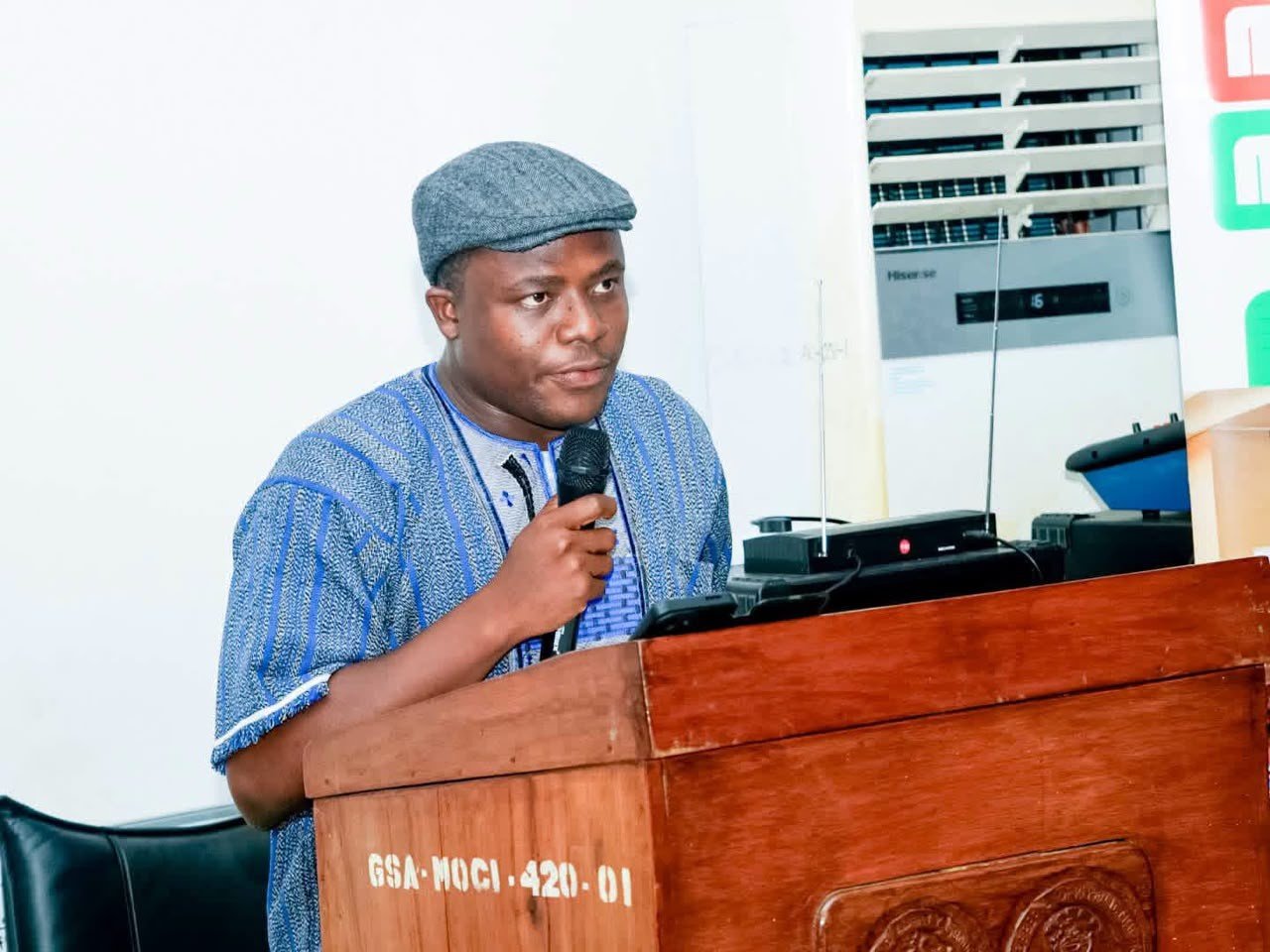
Knowing or not knowing the extent efforts are being employed to get the court on the grounds, Federation of Liberian Youth (FLY) President Ernest Duku Jallah has called on the Legislature to accelerate efforts to establish Liberia’s War and Economic Crimes Court before the end of its current session in December.
Jallah made the appeal Wednesday while addressing the Joint Committee on Judiciary at the Legislature during discussions on strategies for establishing the long-awaited court.
He said the establishment of the court is essential to ending impunity and ensuring lasting peace and justice for victims of Liberia’s civil wars.
The FLY president also urged the government to leverage Liberia’s upcoming chairmanship of the United Nations Security Council to mobilize international support for the court’s establishment.
Jallah stressed that the country must move beyond prolonged discussions and take concrete action to address the demand for justice.
“We have discussed justice for too long, and victims have waited for too long. December must bring decisive action, not another promise,” he said.
Liberia’s proposed War and Economic Crimes Court (WECC) is a long-awaited transitional justice mechanism intended to address atrocities committed during the country’s civil wars and certain economic crimes associated with the periods of conflict.
The court is expected to provide victims and survivors with an avenue for justice, promote accountability, and help address Liberia’s history of impunity.
Liberia’s two civil wars, which lasted from 1989 to 2003, were marked by widespread killings, torture, sexual violence, and the recruitment of child soldiers. The conflicts claimed an estimated 250,000 lives.
Following the wars, the Truth and Reconciliation Commission (TRC) was established to investigate the causes and consequences of the conflict.
In its final report released in 2009, the TRC recommended the establishment of a war crimes court to prosecute individuals accused of serious violations committed during the conflict.
However, the recommendation remained largely unimplemented for more than a decade, despite repeated calls from victims, civil society organizations, and international human rights groups.
A major development occurred on April 8, 2024, when the Legislature passed a joint resolution supporting the establishment of a war crimes court.
On May 2, 2024, President Joseph Nyuma Boakai signed Executive Order No. 131, establishing the Office for the Establishment of the War and Economic Crimes Court for Liberia (OWECC-L).
The office was created to prepare the legal, administrative, and institutional framework necessary for the establishment of the court.
In October 2024, President Boakai appointed Dr. Cllr. Jallah A. Barbu as Executive Director of OWECC-L to lead the process.
It is important to distinguish between the establishment of the office and the establishment of the court itself. OWECC-L is the preparatory body; it is not the fully constituted and operational WECC.
On May 20, 2026, President Boakai submitted the proposed War and Economic Crimes Court bill to the Legislature for consideration and enactment.
The proposed court is intended to prosecute individuals accused of war crimes, crimes against humanity, gross human rights violations, and economic crimes connected to Liberia’s periods of instability.
The legislation is expected to establish the court’s legal authority, structure, jurisdiction, and procedures.
As of November 26, 2026, the court has not been legally constituted and operationalized. The bill remains before the Legislature, according to OWECC-L’s October 29 clarification.
Under Executive Order No. 164, signed in May 2026, President Boakai renewed the mandate of OWECC-L for another year, through April 30, 2027.
The order provides for an annual appropriation of US$2 million to support the office’s work.
The funding is intended to support preparatory activities, including engagement with international partners, legislative support, resource mobilization, and the development of implementation plans for the proposed courts.
However, this US$2 million is funding for OWECC-L’s establishment process—not confirmation that the fully operational War and Economic Crimes Court has received its complete operational budget.
The immediate responsibility rests with the Legislature to review, deliberate on, and pass the proposed WECC bill.
Once the legislation is enacted, further steps will be required to establish the court’s judicial and administrative structures, appoint personnel, secure funding, and put the necessary operational mechanisms in place.
About The Author