
By Benjamin Q. Z. Johnson
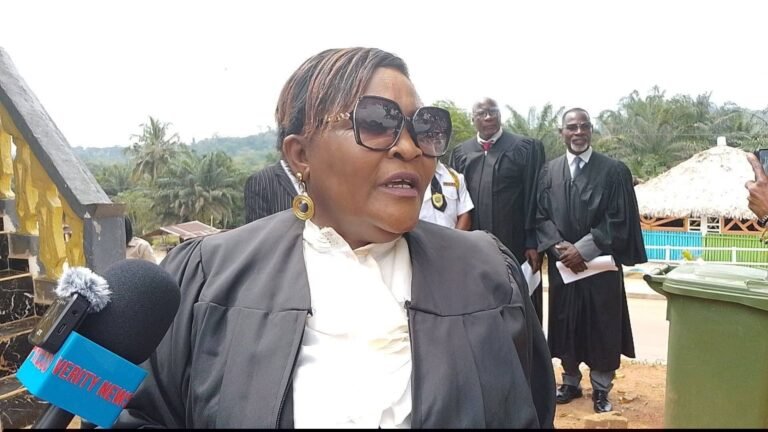
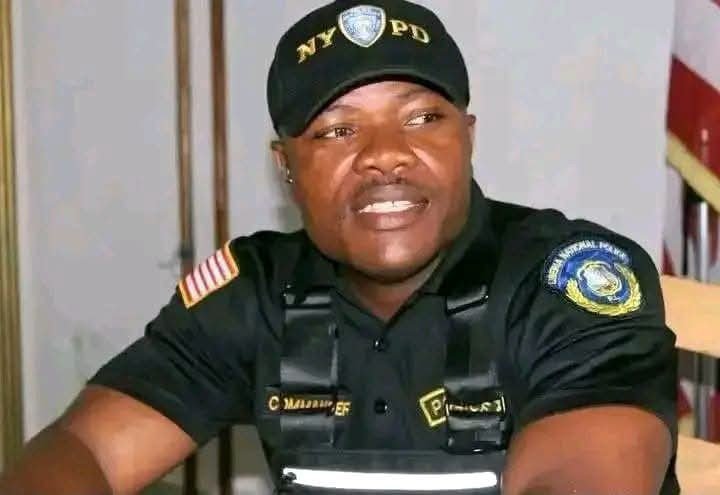
Monrovia-Criminal Court “C” has reserved ruling on two applications filed by former Liberia National Police (LNP) Highway Patrol Chief, Wadell W. Kwabo, seeking a separate trial and a change of venue in the ongoing US$317 million cocaine trafficking case.
The court’s decision followed arguments from both the defense and prosecution, with the judge reserving ruling on whether Kwabo should be tried separately from his co-defendants and whether the proceedings should be transferred to another venue.
Kwabo is seeking to have his case severed from those of his co-defendants, arguing for an independent trial. He has also petitioned the court to transfer the proceedings to another competent court, although the specific grounds for his change-of-venue request were not detailed in the information available.
According to a 55-page grand jury indictment, Kwabo allegedly abused his official position to facilitate the movement of a cocaine shipment from Royesville toward Cement Road on May 30, 2026.
Prosecutors further allege that he received US$5,000 through former National Security Agency (NSA) Deputy Airport Commander Christian L. Nyantee as payment for his alleged role in facilitating the shipment.
The allegations are linked to the July 21, 2026 seizure of approximately 3,971 kilograms of cocaine, with an estimated street value of US$317 million, in Duazon, Margibi County.
Kwabo was subsequently dismissed from the Liberia National Police amid the investigation. He is also challenging the prosecution’s evidence and has separately filed an application seeking bail.
The pending applications present important procedural questions for the court, particularly whether the allegations against Kwabo should be adjudicated independently of those against his co-defendants and whether there are sufficient legal grounds to move the proceedings to another venue.
The court’s forthcoming ruling is expected to determine the next procedural steps in the case, although it will not resolve the substantive allegations against the defendant.
For now, Kwabo remains presumed innocent unless and until proven guilty beyond a reasonable doubt by a court of competent jurisdiction.
About The Author