
By Jamesetta D. Williams
Monrovia-The days of people considered to be unauthorized vendors and illegal pharmaceutical outlets across the country seem to be numbered as the Liberia Pharmacy Board of Liberia says it is intensifying inspections, enforcement and crackdown efforts.
The Board says its inspection activities in 2025 covered more than 70 percent of health facilities across Liberia, during which it identified illegal medicine outlets and individuals selling medicines without going through the required licensing process.
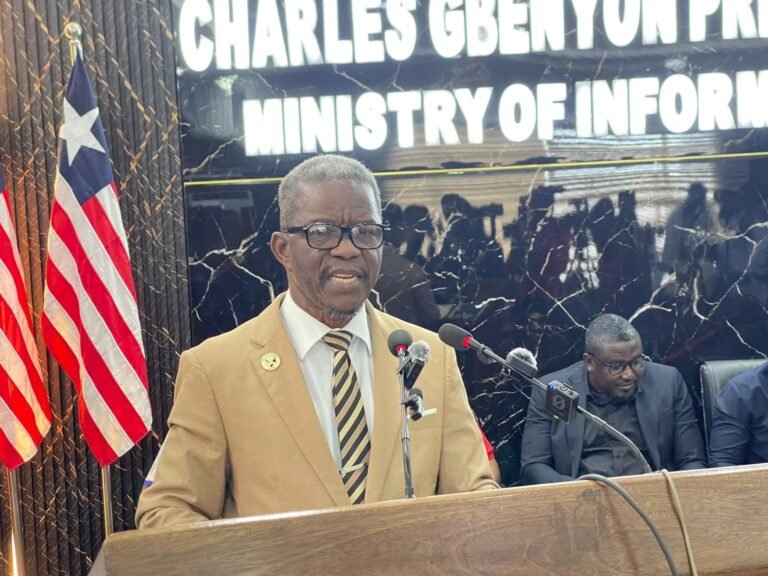
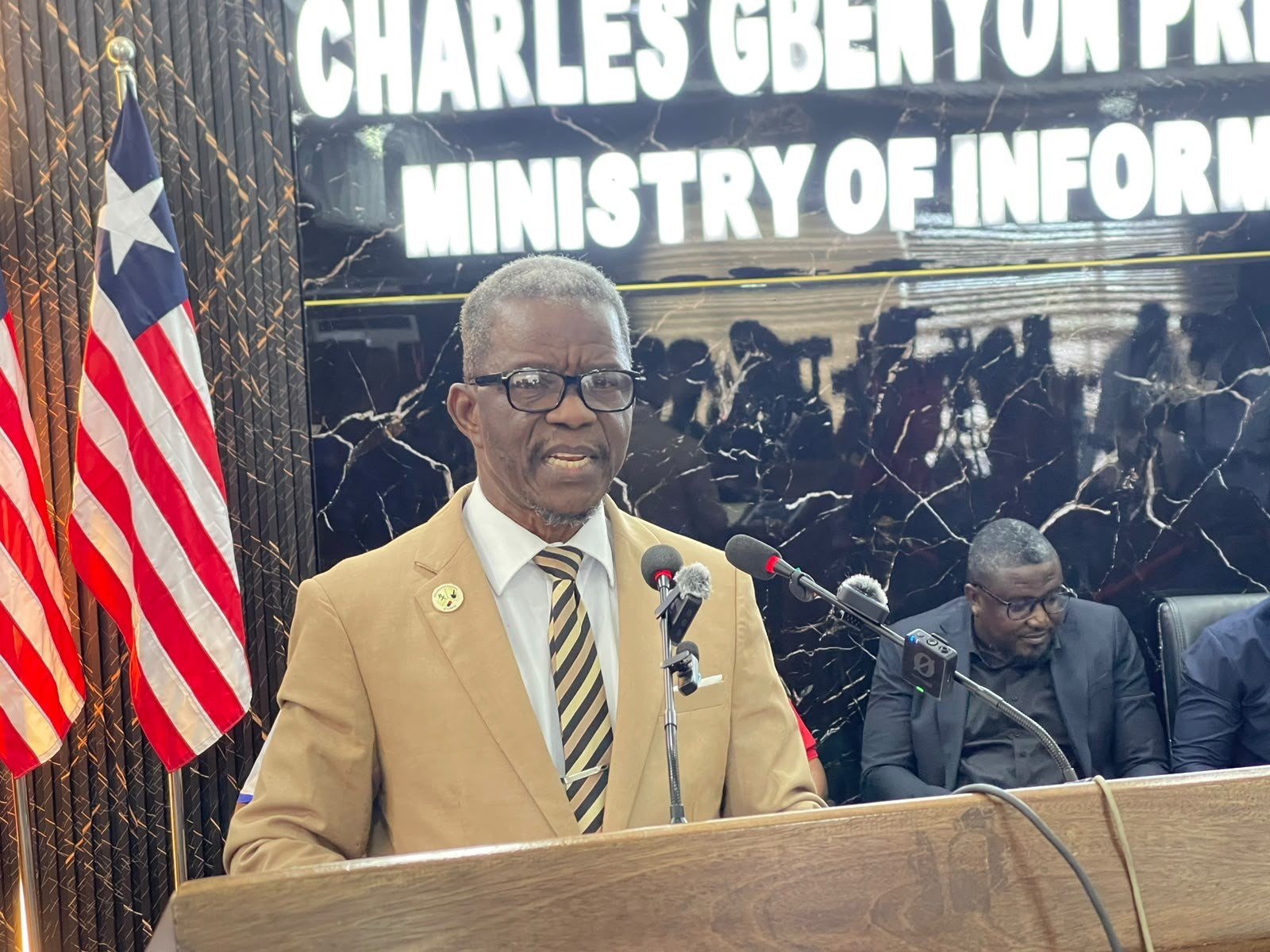
Speaking at the Ministry of Information press briefing in Monrovia, Liberia Pharmacy Board Chief Executive Officer, Dr. Menmon P. Z. Dunah, said the Board remains concerned about the growing presence of unauthorized medicine sellers and the circulation of counterfeit and unregistered pharmaceutical products.
Dr. Dunah said prescription medicines should be sold behind the counter and handled by authorized pharmacy personnel, warning the public against purchasing medicines from street sellers and other unauthorized vendors.
He said the Board is strengthening its inspection procedures and increasing investigative, routine and follow-up inspections of pharmacies, medicine stores and other pharmaceutical establishments.
According to him, the Board is also taking enforcement action against establishments and individuals found violating pharmaceutical regulations, including those illegally opening and operating pharmaceutical outlets.
“Where violations are identified, appropriate action is taken,” Dr. Dunah said, adding that such actions could include the suspension of licenses and closure of establishments, depending on the violation.
He encouraged members of the public to report suspected illegal pharmaceutical activities and suspicious medicines to the appropriate authorities to enable inspectors to investigate.
Dr. Dunah said the Board is committed to ensuring that pharmaceutical businesses and professionals operate within the law and that medicines available to the public are safe, effective and of acceptable quality.
He said the regulation of the pharmaceutical sector is important to public health and forms part of efforts to improve healthcare access and good governance under the government’s ARREST Agenda.
The Pharmacy Board also highlighted the growing role of community pharmacies in improving access to medicines, particularly in communities where health facilities are limited.
Dr. Dunah said community pharmacies provide an important point of contact between patients and pharmaceutical professionals and can reduce the distance people travel to obtain medicines.
He said the government’s Community Pharmacy Initiative is being expanded across all 15 counties.
According to him, properly regulated community pharmacies can also help reduce public dependence on street medicine sellers and unregulated medicines.
The Board said it is therefore strengthening inspections and regulatory oversight of community pharmacies as the sector continues to expand.
Dr. Dunah disclosed that the Pharmacy Board is seeking support through the 2027 national budget to address funding, staffing and operational challenges affecting its work.
A major proposal is the decentralization of pharmaceutical regulation through the establishment of regional offices across the country.
He said the Board has already established its first regional office in Nimba County and plans to establish three additional regional hubs.
The proposed hubs will include one in Grand Gedeh County to serve the southeastern region, one in Lofa County to serve the northwestern region, and one in Cape Mount County to serve the western region.
Dr. Dunah said decentralization would allow inspectors to operate closer to communities and reduce the difficulty and cost of inspectors traveling from Monrovia to distant counties to conduct inspections.
He said bringing regulatory services closer to the people would improve oversight of pharmacies and pharmaceutical establishments, particularly in rural communities.
The Pharmacy Board said it is also completing a National Pharmaceutical Mapping Exercise aimed at providing a clearer picture of pharmaceutical establishments and services across Liberia.
The exercise is being implemented in collaboration with the Liberia Medicines and Health Products Regulatory Authority, the Pharmaceutical Society of Liberia, the Pharmacy Division of the Ministry of Health and the School of Pharmacy.
The Board is also monitoring 51 Doctor of Pharmacy interns practicing across the country as part of efforts to strengthen professional training and pharmaceutical services.
Dr. Dunah said work is also ongoing to strengthen medicine safety, rational medicine use and the national pharmacovigilance program.
The Board is further continuing public awareness activities on drug and substance abuse.
It also plans to launch a national training program for pharmacists in late October following the completion of ongoing review and validation processes.
The Pharmacy Board has meanwhile called on the public to play an active role in combating illegal pharmaceutical activities.
Dr. Dunah urged Liberians to purchase medicines only from licensed pharmaceutical establishments and to seek advice from qualified pharmacists and pharmaceutical professionals.
He warned against buying medicines from street vendors, drug peddlers and other unauthorized sellers.
The Board also urged the public to report suspicious pharmaceutical activities, including unauthorized medicine sales and other practices outside the legal scope of pharmacies and medicine stores.
Dr. Dunah said stronger public cooperation, effective regulation and adequate government support are necessary to build a stronger pharmaceutical sector.
He said the Board will continue working with the government, Ministry of Health, development partners, pharmaceutical professionals, the media and civil society to improve access to safe and quality medicines across Liberia.
About The Author