
By Stephanie M. Duncan
MONROVIA – The Educate HER Coalition concluded a one-day Community Town Hall dialogue aimed at strengthening community support for girls’ education and advancing the full implementation of the National Policy on Girls’ Education NPGE.
Held under the theme, “Bringing the Policy Home: Supporting Girls’ Education Through Community Efforts,” The Educate Her Project is funded by Oxfam Denmark through the Global Partnership for Education, Educate Out Loud Project.
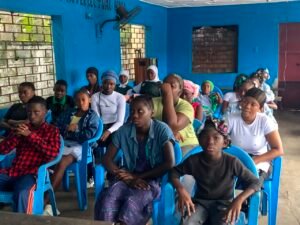
The dialogue brought together representatives of the Ministry of Education, Ministry of Gender, Children and Social Protection, and District Education Officers DEOs, traditional leaders, youth representatives, students, and civil society organizations.
The dialogue focused on increasing awareness on the National Policy on Girls’ Education, while encouraging communities to play a more active role in ensuring girls have equal access to quality education, remain in school, and complete their education.
Facilitating the dialogue, PAYOWI representative Rachel Cole urged girls to place greater value on education, recalling that in previous generations many families prioritized educating boys over girls.
She said educating girls not only transforms individual lives but also strengthens families, communities, and national development. Cole explained that the initiative seeks to improve girls’ access to education, increase school retention, and promote completion through sustained community awareness, advocacy, and policy engagement. She stressed that providing girls with quality education is directly linked to economic growth and improved social well-being.
The revised 2021-2026 National Policy on Girls’ Education aligns Liberia’s education agenda with the Sustainable Development Goals and the Education 2030 Incheon Declaration. The policy envisions a society free from gender inequality in education and seeks to provide equal, affordable access to quality education for both girls and boys while eliminating gender disparities across the education sector.
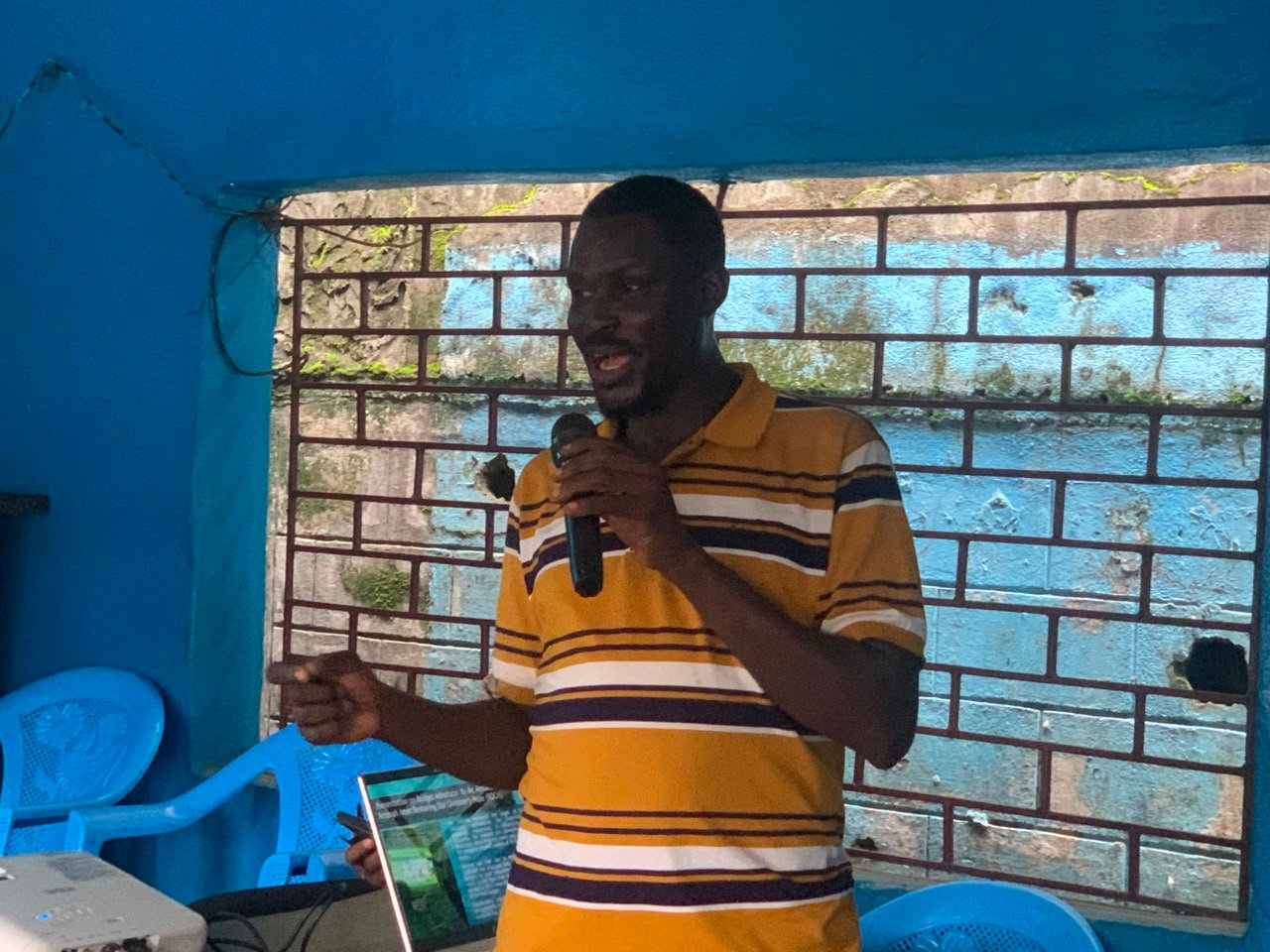
A major presentation during the dialogue focused on budget advocacy. Presenting on behalf of Restoring Our Children’s Hope, Mr. Keifala F. Kromah outlined the various stages of budget advocacy and emphasized the importance of citizen engagement in influencing national budget decisions.
Kromah disclosed that sustained advocacy efforts resulted in the allocation of US$100,000 for girls’ education in Liberia’s FY2025 national budget, the first dedicated allocation since the policy was first revised in 2013. However, he noted that the amount remains significantly below the policy’s recommendation that at least five percent of the Ministry of Education’s budget be dedicated to girls’ education.
He also called for greater transparency and accountability in the management and utilization of education funds at both county and district levels.
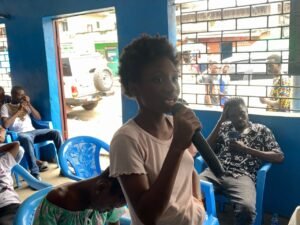
Community members, youth representatives, and students used the dialogue to raise several challenges affecting girls’ education, including the lack of adequate water, sanitation and hygiene WASH facilities, the absence of school clinics, and limited access to sanitary pads for female students.
The participants argued that these challenges contribute to absenteeism and increase the likelihood of girls dropping out of school, urging government and development partners to prioritize investments that create safer and more supportive learning environments.
One of the students stated: “There is no good bathroom or first aid kit in our school, and this affects us during school hours. Whenever someone gets sick, they have to be taken home for treatment. I ask the Government of Liberia to improve our schools and provide a better learning environment.”
A representative from the Ministry of Education’s Girls’ Education Division provided participants with updates on the current status of the National Policy on Girls’ Education.
According to him, the NPGE expired in 2026 and reaffirmed the Ministry’s commitment to working with communities and partners to ensure its revision and effective implementation.
Representing the District Education Office, Mr. Benjamin Belove addressed concerns surrounding overcrowded classrooms in public schools. He also responded to issues regarding the Monrovia Consolidated School System MCSS, noting concerns over the system’s limited compliance with reporting and accountability requirements to the District Education Office, while emphasizing the need for stronger coordination and oversight within the education sector.
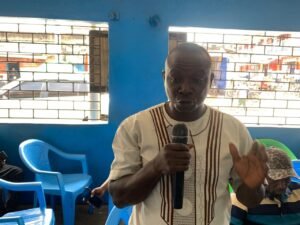
Delivering remarks on behalf of the Ministry of Gender, Children and Social Protection, Deputy Minister for Research, Policy and Planning Hon. Curtis V. Dorley described teenage pregnancy as one of the greatest threats to girls’ education and Liberia’s long-term development.
Citing findings from the 2019-2020 Liberia Demographic and Health Survey and the 2022 National Population and Housing Census, Dorley noted that a significant proportion of adolescent girls become mothers before reaching adulthood, limiting their educational and economic opportunities.
He said factors such as early marriage, limited access to education, poverty, low contraceptive use, and other socio-economic challenges continue to expose girls to early pregnancy and school dropout.
The Deputy Minister stressed the need for community-based data collection and localized early warning systems that can identify girls at risk of dropping out before they leave school. He said grassroots information gathered by teachers, parents, and community members can help government and stakeholders intervene earlier and keep vulnerable girls in school.
Participants concluded the dialogue by reaffirming that successful implementation of the National Policy on Girls’ Education will require stronger collaboration between government institutions, local communities, development partners, parents, and young people to remove barriers preventing girls from accessing and completing quality education across Liberia
About The Author