MONROVIA -Students and academics at the University of Liberia recently engaged in discussions on international diplomacy, global cooperation, and EU-Liberia relations during activities marking European Union Week.
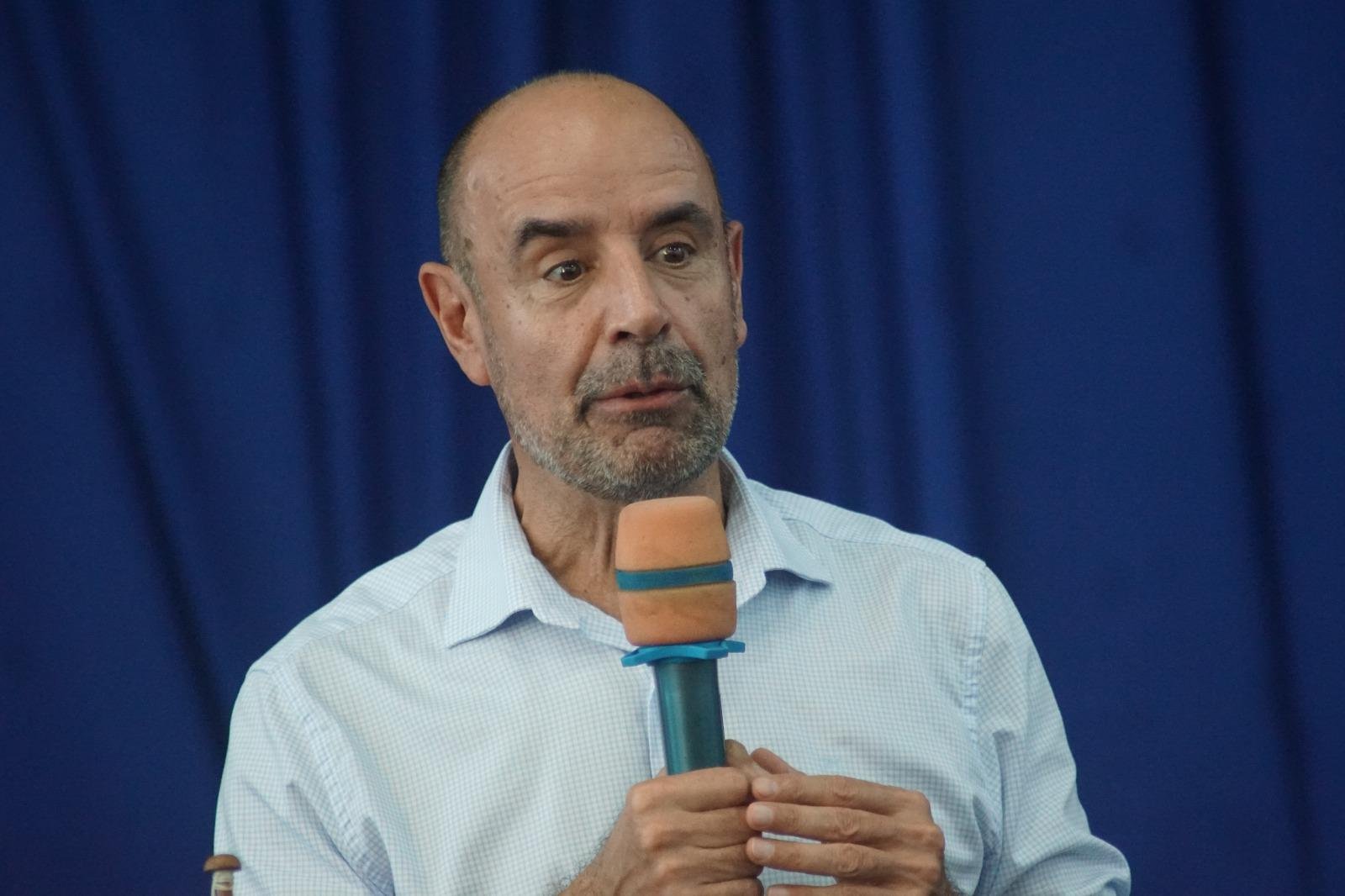
The engagement, held on May 5 at the Tubman Hall Auditorium on the university’s Capitol Hill campus, featured Zoltan Szalai, Charge d’Affaires of the European Union Delegation near Monrovia, as guest lecturer.
The one-day forum was organized by the European Union Delegation in collaboration with the Ibrahim Badamasi Babangida Graduate School of International Studies and brought together students, faculty members, administrators, members of the public, and representatives of the EU Delegation.
During his presentation, Szalai reflected on the formation and evolution of the European Union, highlighting the bloc’s long period of peace and cooperation among member states.
According to him, the European Union has avoided military conflict within its bloc for the past 76 years, an achievement he linked to a historic 1950 proposal by former French Foreign Minister Robert Schumann aimed at fostering cooperation between France and Germany through the sharing of coal and steel resources.
Szalai noted that the initiative gradually evolved into deeper political and economic integration, eventually expanding to include more European nations.
He described the EU as a partnership built on cooperation, equality, and shared decision-making, emphasizing that all 27 member states, regardless of size or population, have a voice in the union’s affairs.
“We are interested in cooperation, in partnership. We don’t have to be the same. We are not the same in Europe as well, but it doesn’t mean that we cannot be equal,” Szalai told participants.
Speaking on EU-Africa relations, particularly Liberia, the diplomat said the European Union is now prioritizing large-scale infrastructure and development initiatives through its Global Gateway program.
He explained that the initiative seeks to move away from the traditional donor-recipient model toward broader partnerships capable of delivering long-term regional impact.
According to Szalai, the EU is supporting several infrastructure projects in Liberia, including roads linked to regional transportation networks, electricity connectivity, and digital infrastructure development.
He further disclosed that the EU has begun providing direct budget support to Liberia, estimating that approximately US$63 million will be contributed to the Liberian treasury over a three-year period.
Meanwhile, the European Union recently celebrated its 76th anniversary on May 9, while the University of Liberia is currently observing its year-long 75th anniversary celebration as a chartered institution.
In remarks at the event, Agnes Reeves Taylor, Officer-in-Charge and Vice President for Academic Affairs at the University of Liberia, described the lecture as an important opportunity for dialogue between Liberia and the European Union.
She expressed hope that similar engagements would continue in the future to strengthen academic and international cooperation.
Also speaking, Jonathan C. Taylor, Vice President for Graduate and Professional Schools, said the forum aligns with the mission of the Ibrahim Badamasi Babangida Graduate School of International Studies to prepare future diplomats, leaders, and policy professionals.
According to him, the world is currently experiencing major political, economic, and social shifts that require informed dialogue and stronger international cooperation.
“It is therefore both timely and fitting that we gather here as part of the European Union Week to engage these pressing global issues,” he said.
Meanwhile, Mamadou L. Bah, Director of the Ibrahim Badamasi Babangida Graduate School of International Studies, revealed plans to expand the institution’s graduate programs.
He disclosed that the school intends to launch a Master’s program in Development Studies later this year, alongside additional programs in International Human Rights Policy and eventually a PhD in Public and International Affairs.
Dr. Bah encouraged undergraduate students to take advantage of future academic opportunities being developed by the institution.
About The Author