By Jamesetta D Williams
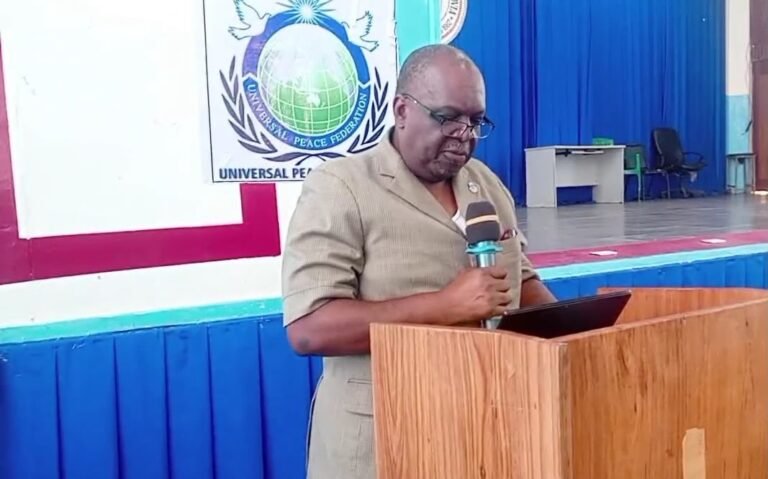
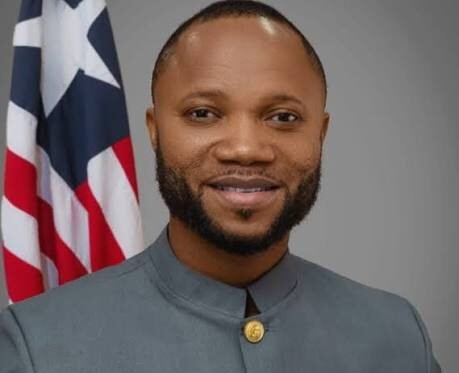
MONROVIA – Deputy Minister for Administration at the Ministry of Finance and Development Planning, Hon. Benedict Y. Harleyson Jr., has pushed back against claims by former Finance and Development Planning Minister Samuel D. Tweah Jr. that the former Coalition for Democratic Change (CDC) administration laid the foundation for many of Liberia’s ongoing road and electricity projects.
In a public statement issued on Saturday, Harleyson accused the former minister of presenting what he described as an inaccurate account of the country’s infrastructure development by suggesting that the CDC government was solely responsible for several major national projects.
According to Harleyson, numerous road and energy initiatives frequently cited by the former administration were conceived, negotiated, financed, or already under implementation before the CDC assumed office in 2018. He added that additional financing and approvals for several key projects have also been secured under the current administration since January 2024.
The Deputy Minister cited projects such as the Liberia Road Asset Management Project (LIBRAMP), the Fish Town–Harper Road, and the Somalia Drive/Japan Freeway expansion as examples of initiatives that predated the CDC government.
He further pointed to recent infrastructure developments under the current administration, including the Liberia Electricity Sector Strengthening and Access Project (LESSAP) Phase II, financing for the Salayea–Konia Road by the Arab Bank for Economic Development in Africa (BADEA), and new World Bank funding approved in 2026.
Harleyson argued that national infrastructure development is a continuous process that spans multiple administrations and relies heavily on the support of international development partners, rather than the efforts of a single government.
“Development is a relay race, not a one-man sprint,” Harleyson stated, emphasizing that Liberia’s roads, electricity projects, and other public investments should be viewed as national achievements instead of partisan accomplishments.
His comments come amid an ongoing public debate over the infrastructure legacy of the CDC administration and the respective contributions of successive governments to Liberia’s development agenda.
The exchange highlights growing political disagreements over the ownership of major public infrastructure projects as competing political actors continue to shape public narratives ahead of future national political engagements.
About The Author