By Jamesetta D Williams
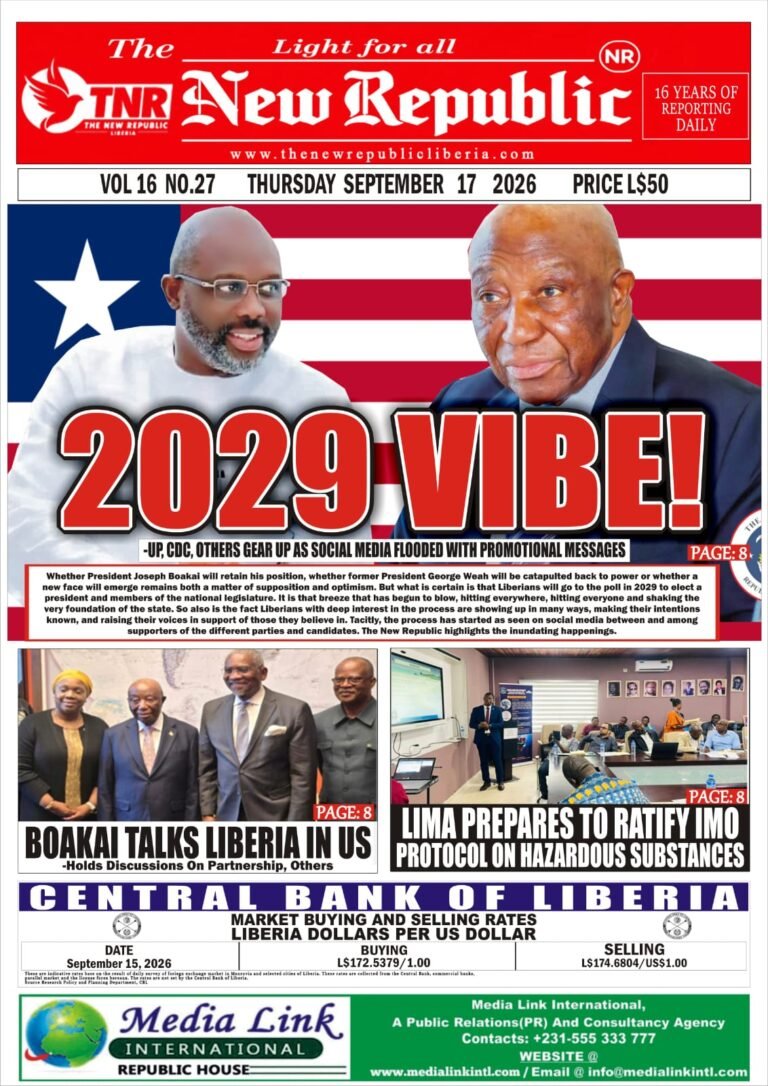
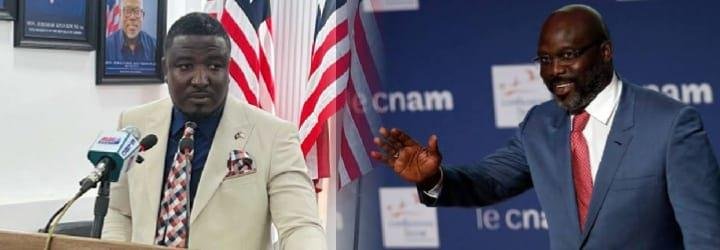
MONROVIA, A recent statement by former President George Manneh Weah describing President Joseph Nyuma Boakai as a “sensible person” has sparked fresh political debate, drawing a strong reaction from the government through Deputy Information Minister Daniel Sando.
In his remarks, Weah suggested that President Boakai demonstrated pragmatism by accepting assistance from him despite their political differences.
According to the former president, Boakai was “the only sensible person” who chose cooperation over division at a time when others rejected support based on political rivalry.
The statement has since generated mixed reactions, with some interpreting it as a call for political maturity, while others see it as a subtle critique of current political dynamics in Liberia.
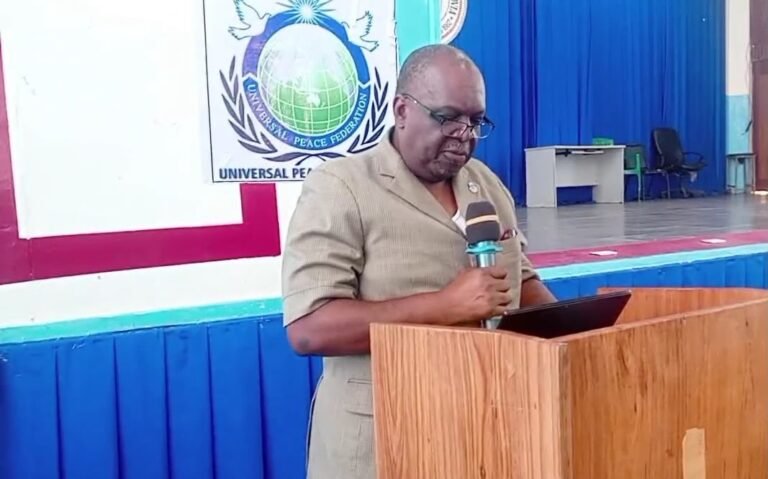
Responding during a Ministry of Information press briefing, Deputy Minister Sando dismissed the former president’s comments and launched a scathing critique of Weah’s conduct since leaving office.
He accused the former leader of shifting focus away from substantive national issues, describing him as a “Facebook content creator” who should instead conduct himself in a manner befitting a former head of state.
Sando further alleged that the previous administration presided over widespread corruption, claiming that the country suffered significant setbacks under Weah’s leadership.
He argued that legal protections afforded to former presidents have shielded Weah from potential prosecution, suggesting that under different circumstances, accountability measures could have been pursued.
The Deputy Minister also criticized what he described as a lack of seriousness during Weah’s presidency, alleging that governance was undermined by distractions, including public entertainment activities, rather than sustained policy focus.
Despite the sharp tone of his remarks, Sando reiterated the government’s broader position on political discourse, emphasizing that criticism is a normal part of democratic governance but should not be mistaken for official performance or policy direction.
He stressed that the administration of President Boakai remains committed to national reconciliation, development, and institutional strengthening.
According to him, government communication is structured and aimed at ensuring that citizens receive accurate information about ongoing programs and national priorities.
The exchange highlights deepening political tensions between the current administration and the former ruling establishment, even as the government continues to promote unity and reconciliation as key pillars of its agenda.
Political observers note that such public disagreements reflect Liberia’s evolving democratic space, where competing narratives and accountability debates are increasingly shaping national discourse.
About The Author