
OthellO Sarweh Nimely.
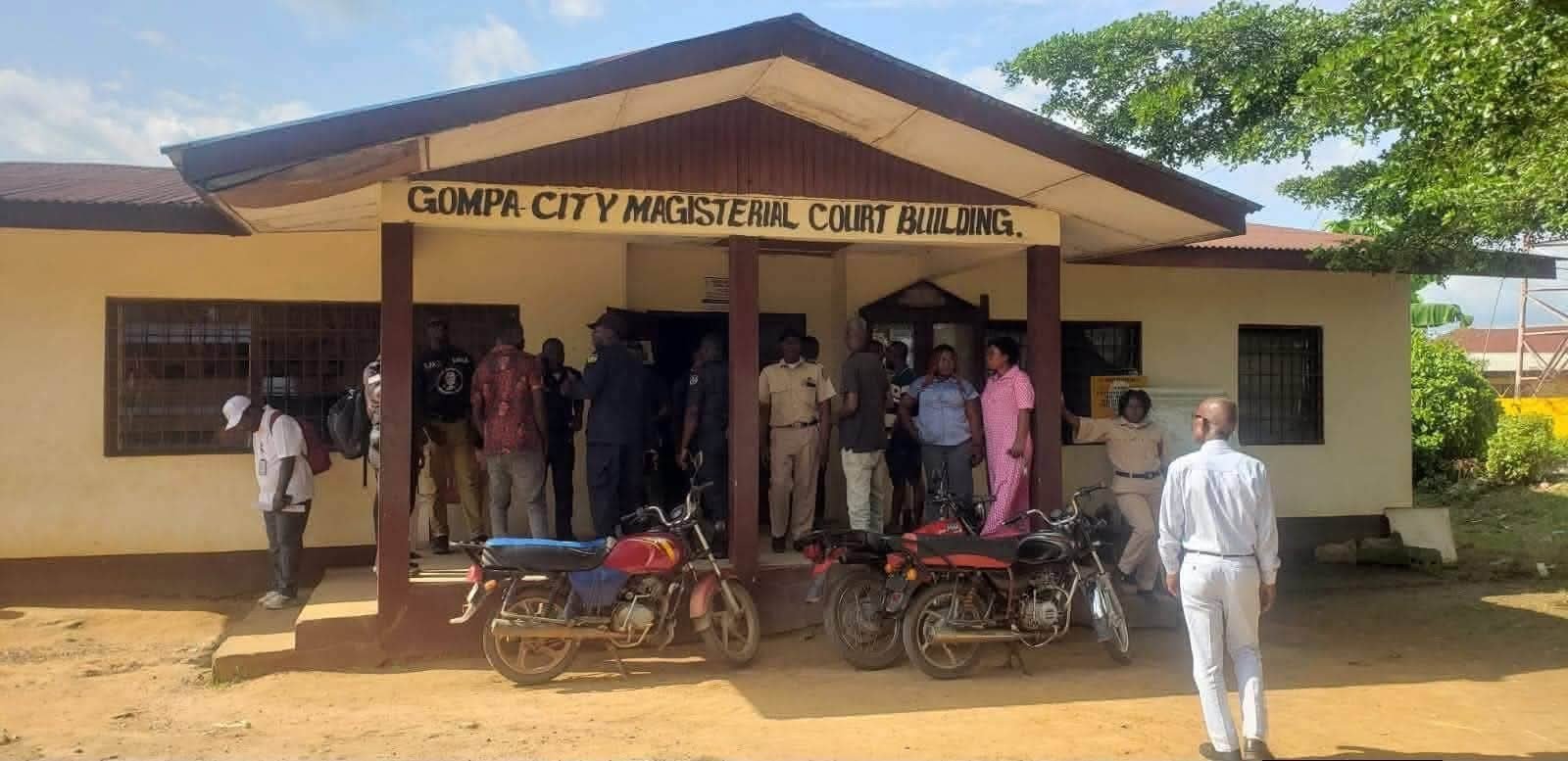
Monrovia-Liberia’s Judiciary has rejected allegations that the decision to sentence former Gompa City Mayor Amos Suah to 30 days in prison for contempt of court was influenced by tribal bias or interference from Chief Justice Yamie Quiqui Gbeisay.
In a statement issued Thursday, October 1, 2026, the Judiciary said the Gompa City Magisterial Court exercised its own authority in handling the contempt proceedings against Suah.
The controversy stems from a land dispute involving Kalefa Turay and occupants of a property in Gompa City, Nimba County. According to the Judiciary, the court ruled in favor of Turay, and no appeal was filed against the land judgment.
The Judiciary said the Chief Justice was informed by the magistrate that the Turay family purchased the property in 1951 through a public land sale deed signed by then-President William V. S. Tubman.
According to the statement, a building on the property was subsequently leased to several tenants, including the Liberian government, before the outbreak of Liberia’s civil war.
The Judiciary further alleged that enforcement of the court’s judgment had encountered resistance involving tribal arguments and claims of eminent domain.
It maintained that any objections, including claims that the property is subject to government or public interest, must be properly presented before a court for determination.
Responding to allegations against Chief Justice Gbeisay, the Judiciary said he neither directed nor interfered with the magistrate’s decision to imprison Suah. It stressed that the Chief Justice’s responsibility is to uphold the Constitution and administer justice equally, regardless of ethnicity, county of origin or political affiliation.
Before the clarification from the Judiciary, the Chief Justice had been accused of using his judicial influence to pressure or intimidate the former mayor in connection with the land dispute.
The Judiciary acknowledged the anxiety surrounding the case, noting that land remains an important source of livelihood, identity and heritage for many Liberians. However, it cautioned against portraying the dispute as a confrontation between ethnic groups, warning that such narratives could deepen divisions and undermine efforts to resolve legal matter.
The Judiciary also recognized citizens’ right to criticize court decisions but urged anyone alleging wrongdoing to seek judicial review or use the established mechanisms for filing complaints against judicial actors.
The statement, signed by Judiciary Public Information Officer Caesar N. Slapeh, did not include the contempt ruling or an account from Suah and the affected occupants. The statement did not specify the words or actions by Suah that led to his imprisonment.
It also did not also indicate whether Suah’s 30-day sentence has been appealed or otherwise challenged.
As of today the imprisonment of the former Gompa City mayor remains a subject of significant public discussion, particularly amid concerns surrounding the allegations of judicial interference.
About The Author