
By Othello S. Nimely
Monrovia-The Law Reform Commission (LRC) has announced plans to undertake a comprehensive review of Liberia’s 1986 Constitution, establish an independent Budget and Planning Commission, and create a specialized Family Court as part of its efforts to modernize the country’s legal framework.
The proposed Family Court is expected to handle sensitive family-related matters, including divorce, child custody, adoption and guardianship, while the proposed Budget and Planning Commission would provide an independent institutional framework for budgetary and national planning matters.
The Commission also intends to establish a Liberia Infrastructure Fund, review the Liberia Maritime Authority Act, and reform electoral laws covering voter registration, campaign financing and the resolution of electoral disputes.
Additional areas targeted for reform include mining, railway management, health insurance, road infrastructure and public enterprises.
These initiatives form part of the Commission’s five-year strategic plan for 2026–2030, officially launched on Friday, November 6, 2026, in Monrovia, under the theme: “Better Laws for a More Accountable Society: Modern, Responsive and Accessible Laws for Liberia.”
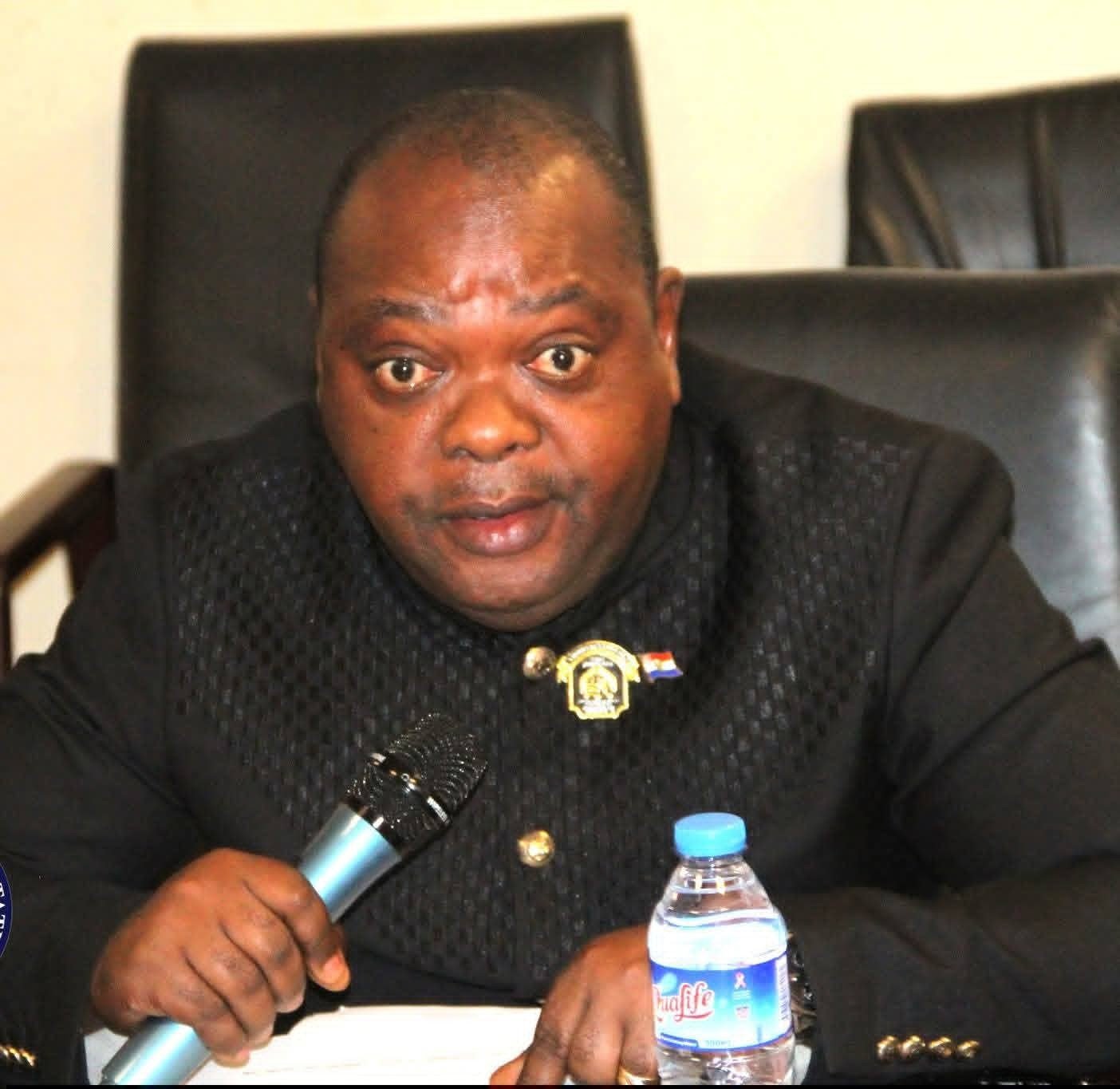
Speaking at the launch, on Friday, Commission Chairperson Cllr. Bornor Varmah said the strategic plan is designed to strengthen the institution’s capacity, improve legal research and legislative drafting, and promote collaboration with government institutions, civil society organizations and development partners.
According to Varmah, the plan represents an important step toward building a stronger and more effective Law Reform Commission capable of responding to Liberia’s evolving legal and governance needs.
The 2026–2030 strategic plan is anchored on four key priority areas: law reform, codification of laws, gender and human rights, and institutional strengthening.
Through these priority areas, the Commission intends to address gaps in existing legislation, improve access to justice, promote the protection of human rights and ensure that Liberia’s laws remain relevant to contemporary social, economic and governance challenges.
The strategic plan is also aligned with Pillar Three, which focuses on the Rule of Law under the Government of Liberia’s ARREST Agenda for Inclusive Development. It further aligns with the United Nations Development Programme (UNDP) Country Programme Document for 2026–2030.
Varmah reaffirmed his commitment to strengthening the Commission’s institutional capacity and ensuring that its work contributes meaningfully to national development through effective, inclusive and accountable legal reforms.
The proposed initiatives, if successfully implemented, could significantly influence Liberia’s governance, justice system, public financial management and institutional development over the next five years.
The Commission’s strategic plan is therefore expected to serve as a roadmap for advancing legislative reforms and building a legal system that is more responsive to the needs and aspirations of the Liberian people.
About The Author