
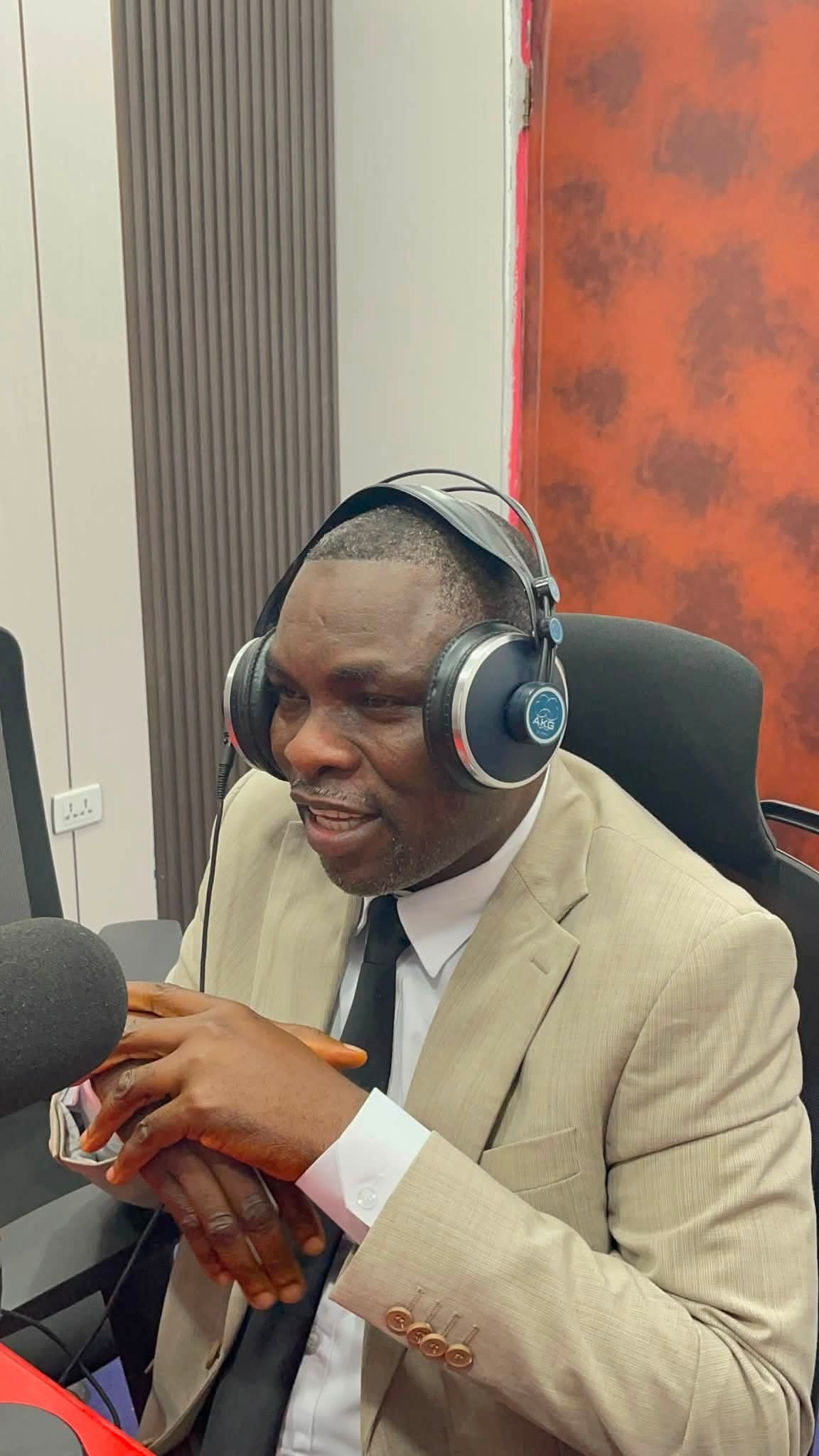
Rep. Anthony Williams
By Jamesetta D. Williams
Monrovia-Maryland County District #2 Representative Anthony F. Williams has introduced a proposed legislative initiative seeking to regulate the duration of engagements and address financial disagreements arising from relationships that end before marriage.The proposed legislation is intended to provide guidelines for couples who enter into marriage commitments but eventually separate before formalizing their unions, particularly regarding gifts, financial contributions, and expenses incurred during their relationships.
Speaking on the Good Morning Liberia program on Voice of Liberia 104.1 FM, Williams suggested that couples should have a maximum period of two years to transition from engagement to marriage, unless both parties mutually agree to extend the arrangement.
According to the lawmaker, individuals who become engaged should make a clear commitment toward marriage rather than remain in prolonged engagements without reaching a final decision.
“Once you engage a woman, you should have two years to marry her. If you cannot marry within that period, both parties must mutually agree to renew the engagement,” Williams said.
He further explained that if the agreed extension expires without marriage taking place, both individuals should be allowed to end the engagement and move on with their lives.
The proposed measure, according to the information presented, seeks to establish clearer expectations between couples and prevent situations in which one party may feel financially or emotionally disadvantaged after a relationship ends.
Beyond regulating the duration of engagements, the proposed legislation seeks to address disagreements involving gifts, financial commitments, and expenses incurred by couples before marriage.
Such situations can sometimes become sources of conflict when relationships break down, particularly where one party has made substantial financial contributions in anticipation of marriage.
The proposed legislation is expected to examine how such commitments should be treated when an engagement ends without a wedding.
However, specific provisions of the proposed bill, including how gifts and financial contributions would be handled, were not detailed in the information made available.
During the radio discussion, Williams also spoke about development and accessibility in Pleebo, Maryland County.
He highlighted improvements in road accessibility, suggesting that residents can now travel to their homes by taxi rather than relying solely on motorbikes.
“If you visit Pleebo today, you won’t need to ride a motorbike; a taxi can take you straight to your home,” Williams said.
His remarks formed part of a broader discussion on national issues and developments affecting communities in Maryland County.
The proposed engagement legislation could generate public discussion about marriage commitments, personal relationships, financial responsibilities, and the role of lawmakers in addressing social issues through legislation.
If formally introduced and passed by the Legislature, the proposal would require clear provisions explaining the responsibilities of both parties, the conditions for extending engagements, and how disputes over gifts and financial contributions would be resolved.
The proposal also raises questions about how such legislation would balance the protection of individuals with personal freedom and the voluntary nature of marriage.
Further details about the bill, including its formal introduction, specific provisions, and legislative status, are expected to provide a clearer understanding of how the proposed measure would work.
About The Author