Monrovia-The Government of Liberia has announced the enforcement of health screening measures and infection prevention and control protocols following reports of a confirmed Ebola virus disease (EVD) case in Nigeria.
The measures, announced through the Ministry of Health, are intended to strengthen the country’s preparedness and prevent the potential spread of the virus into Liberia.
In a public notice, the government urged Liberians to remain calm, follow official health updates, and comply with preventive measures issued by health authorities.
The announcement follows a public health report dated Wednesday, October 21, 2026, which stated that Nigeria had confirmed an Ebola case involving a woman who reportedly arrived in the country on a flight from Uganda.
According to the report, the patient developed symptoms and was admitted to a hospital, where laboratory testing subsequently confirmed the infection.
The report further stated that the patient had been placed in isolation on October 11 and was receiving medical care, with indications that she was responding to treatment.
Meanwhile, Nigerian health authorities reportedly traced approximately 44 contacts, including passengers who traveled on the same flight as the patient and healthcare workers who may have been exposed to the virus.
The contacts are being monitored as part of efforts to identify possible infections and prevent further transmission.
The information was attributed to Nigeria’s Coordinating Minister of Health, Professor Muhammad Ali Pate, and other health officials.
The reported case has renewed calls for countries across West Africa to strengthen disease surveillance and remain vigilant against potential cross-border transmission.
Liberia, Sierra Leone, and Guinea have been urged to increase surveillance at ports of entry and ensure that appropriate preventive measures are in place.
Liberia’s Ministry of Health said the screening measures and infection prevention protocols are intended to protect public health and reduce the risk of the virus entering the country.
However, the public notice did not specify the locations where screening would be conducted, the precise measures being implemented, or whether any suspected cases had been identified in Liberia.
The government has called on the public to cooperate with health authorities and obtain information from official sources as the country responds to the reported development.
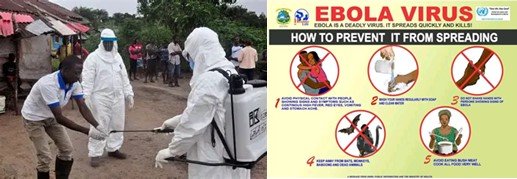
Members of the public have been encouraged to observe basic hygiene practices, including regular handwashing with soap and water, and to follow guidance issued by health professionals.
The public health advisory also urged people experiencing fever or other concerning symptoms to seek medical attention at a health facility.
Ebola is a severe viral disease that can cause serious illness and death. It spreads primarily through direct contact with the blood or other bodily fluids of an infected person who is showing symptoms, as well as contaminated materials.
The virus does not spread through the air in the same way as influenza or measles.
Public health measures such as early detection, isolation of suspected cases, infection prevention and control, and monitoring of people who may have been exposed are important in containing outbreaks.
Health authorities also emphasize the importance of timely reporting and appropriate medical assessment to help prevent further transmission.
The public health report described Nigeria’s response as involving medical care, isolation, and contact tracing.
It also urged other West African countries to remain alert while avoiding actions that could create unnecessary public panic.
Liberians have been encouraged to rely on verified information from the Ministry of Health and other relevant public health authorities rather than circulate unconfirmed reports.
The reported development highlights the importance of regional cooperation, effective disease surveillance, and preparedness in responding to infectious disease threats.
The Government of Liberia has urged residents to remain calm and cooperate with health authorities as the country implements measures intended to safeguard public health.
About The Author