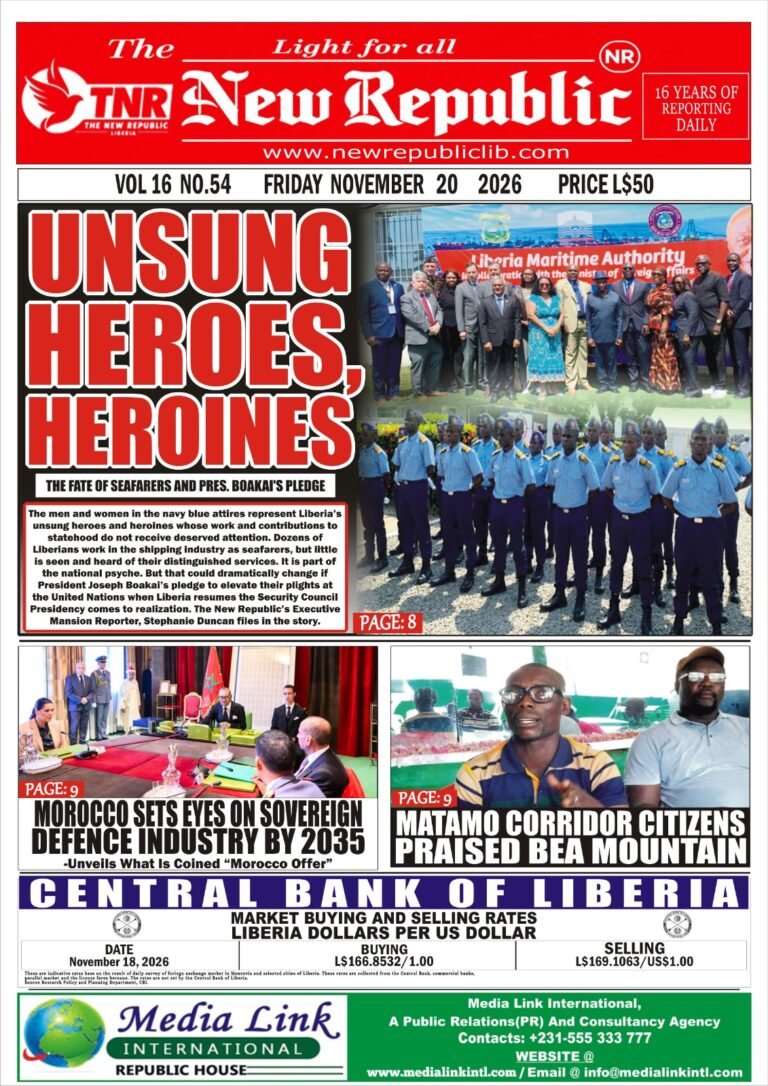

Monrovia-The Kingdom of Morocco has set eyes on strengthening its defence capabilities with the erection of a defence industry by 2035.
King Mohammed VI Wednesday launched an ambitious national roadmap to build a domestic defence and security industry, aiming to meet 40% of the needs of the Royal Armed Forces and security agencies by 2035 and turn Morocco into a major exporter of defence equipment.
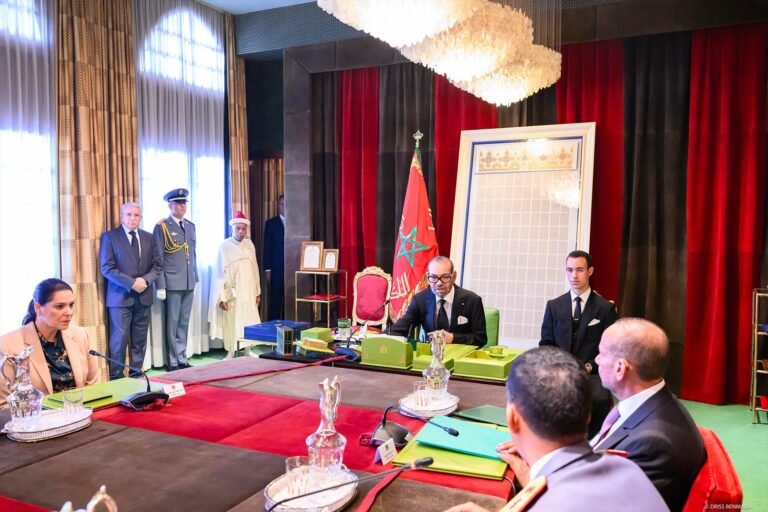
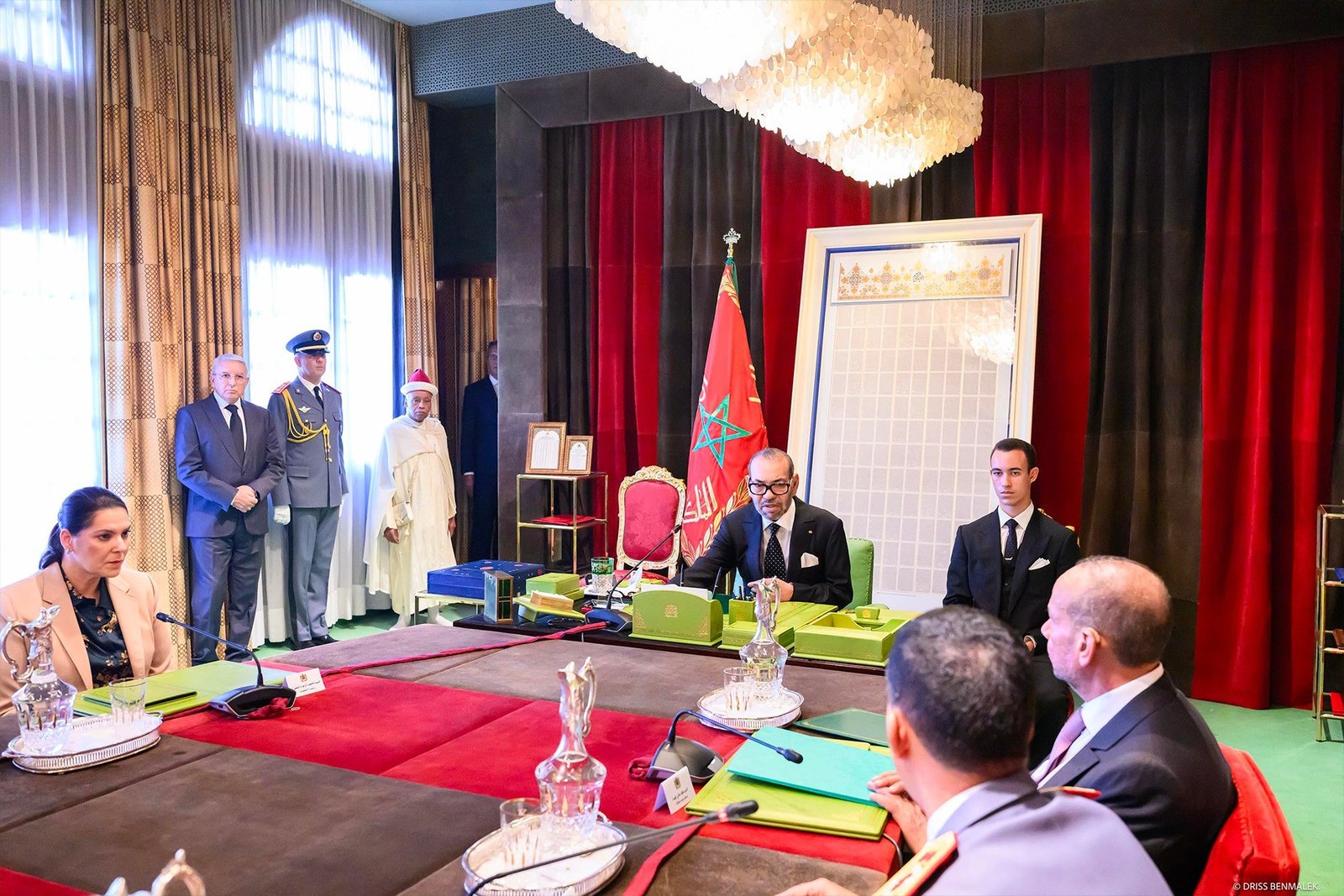
The King, accompanied by Crown Prince Moulay El Hassan, chaired a working session on Wednesday at the Royal Palace in Rabat dedicated to presenting the “Morocco Offer” and its implementation roadmap, according to a statement from the Royal Office.
The plan is designed to give the Kingdom an industrial and technological defence base capable of bolstering its defensive sovereignty, while generating new technological, economic and social development opportunities.
It builds on Morocco’s existing industrial achievements, particularly in aerospace, automotive and electronics, and on the framework and initial projects already launched for a national defence industry.
The vision presented to the Sovereign aims to develop an integrated industrial ecosystem covering the entire value chain, from design and production to maintenance, testing and storage.
Priority sectors have been identified with a strong focus on future technologies, industrial synergies and dual-use applications. Among the targeted areas of excellence are drones and autonomous systems, land-based systems, naval systems, defence electronics and cyberdefence, and Artificial intelligence
The roadmap provides for a new governance structure centred on a dedicated strategic agency responsible for implementing the national strategy and supporting investors, as well as an industrial holding company tasked with structuring the ecosystems, mobilising public and private capital, and fostering the emergence of local industrial leaders.
In addition to the two defence industrial acceleration zones already in place, the “Morocco Offer” calls for a new, large-scale zone dedicated to the defence industry in Benguerir and another in Benslimane.
During the session, the King took note of progress on hosting facilities already launched, ongoing industrial projects, investment prospects, and investors who have shown interest in establishing projects in the Kingdom, particularly those destined for export.
Special attention will be given to training highly qualified professionals and developing research and innovation, through the creation of a specialized academy offering cutting-edge training programmes, in partnership with industry stakeholders.
The academy will draw on national civilian and military expertise, as well as expertise from the Moroccan community abroad.
The “Morocco Offer” will also be supported by the Kingdom’s privileged strategic partnerships, in order to reinforce its insertion in global value chains and develop export capacities.
By 2035, the Moroccan industrial and technological defence base is expected to create around 50,000 direct and indirect jobs, meet approximately 40% of the needs of the Royal Armed Forces and security agencies, generate more than 65% of its revenue from exports, It is set to emerge, the statement said, as a pillar of the Kingdom’s strategic resilience and as a reliable and performing supply and export platform.
At the close of the session, King Mohammed VI gave his high instructions to ensure swift and effective implementation of the roadmap, and to establish first and foremost the governance bodies and a financing plan, while streamlining investment procedures and mobilising the private sector.
The Sovereign also stressed the need to mobilise national skills, both in Morocco and abroad, by strengthening early career guidance and professional training for young talent.
He instructed the Hassan II Fund for Economic and Social Development to contribute 4 billion dirhams to support implementation of the roadmap.
The working session was attended by Head of Government Fatima Ezzahra El Mansouri, the King’s Advisor Fouad Ali El Himma, Minister of Industry, Trade, Investment and Economic Inclusion Ryad Mezzour, Minister Delegate in charge of the National Defense Administration Abdeltif Loudyi, Lieutenant General Mohammed Berrid, Inspector General of the Royal Armed Forces and Commander of the South Zone, and Ali Seddiki, Director-General of the Moroccan Investment and Export Development Agency.
The presentation was made by Lt. Gen. Berrid and Seddiki, focusing on the major pillars of the “Morocco Offer” and the roadmap for its implementation.
About The Author