
By Stephanie M. Duncan
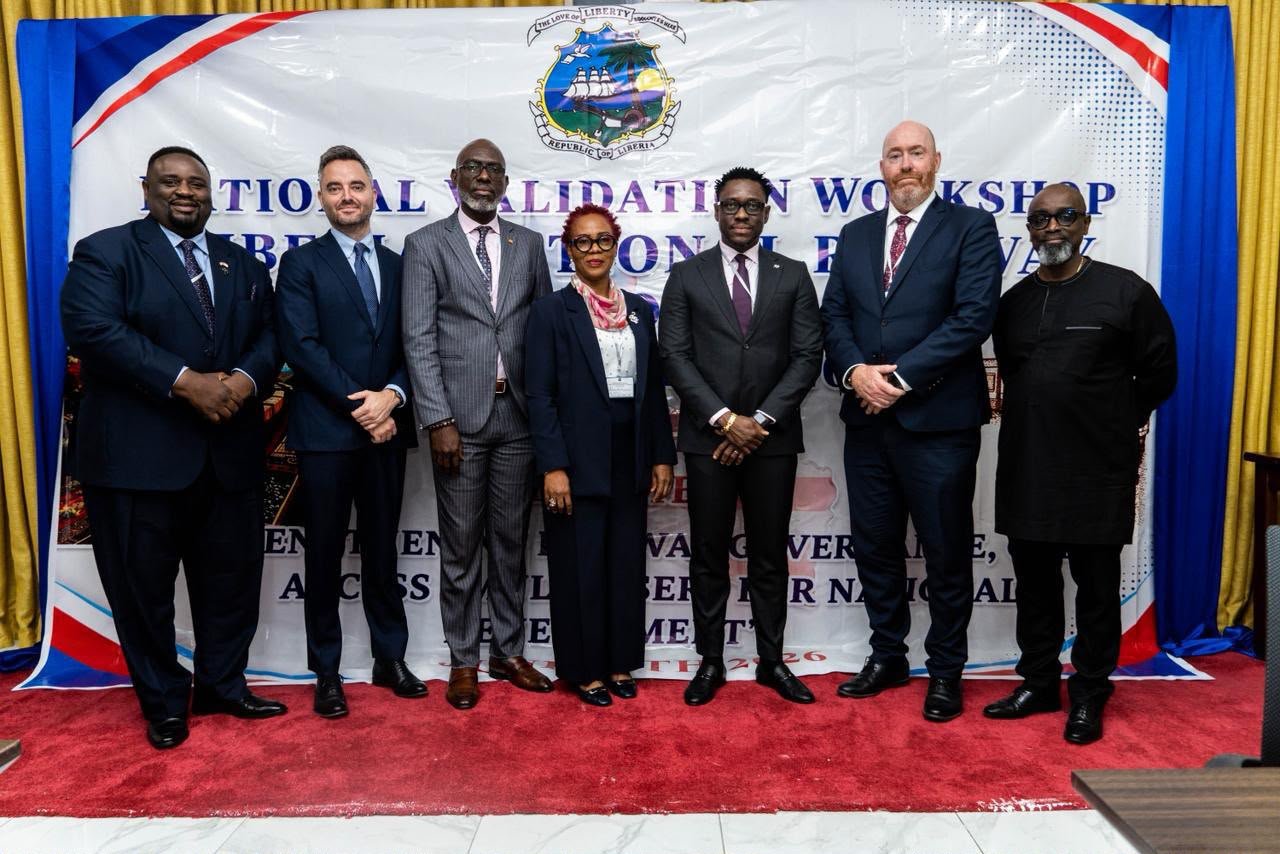
MONROVIA – The proposed Liberia National Railway Authority (LNRA) Act of 2026 has been described as a landmark piece of legislation that could transform Liberia’s railway sector, attract private investment, and accelerate the country’s long-term economic development.

Speaking at the National Validation Workshop on the Draft Liberia National Railway Authority Act, the Liaison Officer for the Establishment of the LNRA, Ignatius Saymel Neepaye, said the legislation would provide the modern legal framework needed to strengthen railway governance while unlocking new opportunities for infrastructure development and economic expansion.
Neepaye stressed that an efficient and well-regulated railway system is critical to supporting Liberia’s development agenda, noting that improved rail infrastructure would facilitate trade, expand transportation networks, and encourage greater private sector participation.
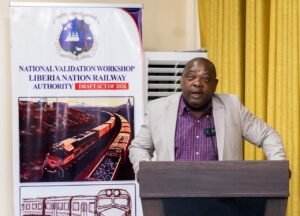
He said the proposed Act is designed to position the railway sector as a key driver of national growth by creating a transparent and predictable regulatory environment capable of attracting both domestic and foreign investment.
Also speaking at the workshop, Law Reform Commission Chairman Cllr. Bornor M. Varmah said the draft legislation would establish an open-access railway system that promotes transparency, regulatory certainty, and equal opportunities for multiple users.
According to Varmah, the proposed law will support the expansion of critical sectors including mining, agriculture, trade, and industry by providing investors with the confidence needed to finance railway infrastructure and related economic activities.
He added that a modern railway authority would enable Liberia to maximize the economic value of its rail assets while strengthening governance across the sector.
Participants at the validation workshop welcomed the proposed legislation, describing it as a major milestone in Liberia’s efforts to develop a modern, multi-user railway system.
Stakeholders agreed that the establishment of the Liberia National Railway Authority and the enactment of the Draft Act would help stimulate economic growth, create employment opportunities, strengthen regional connectivity, and improve Liberia’s competitiveness as an investment destination in West Africa.
The workshop forms part of ongoing consultations to refine the proposed legislation before it is submitted for further consideration.
About The Author