By Stephanie M. Duncan
MONROVIA, Sept. 7, 2026 — Chimpanzees rescued from research laboratories are receiving a new lease on life at a sanctuary in Liberia, where specialists are closely monitoring their health as the animals grow older.
The chimpanzees are being cared for at the Second Chance Chimpanzee Refuge, located on mangrove-covered islands where the animals can roam freely and live in social groups.
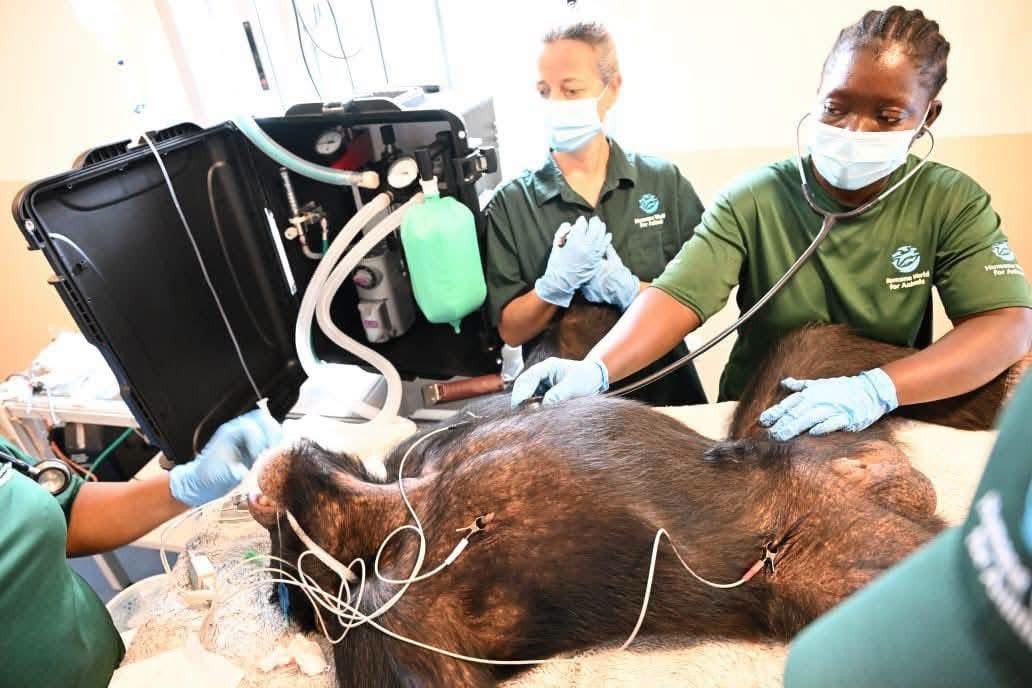
According to Africanews, the rescued chimpanzees recently underwent comprehensive medical examinations designed to assess their overall health and identify possible age-related conditions.
The examinations included blood and fecal tests, ultrasounds, as well as assessments of their bones, muscles and joint mobility.
Liliana Pacheco Ricote, Director of the Second Chance Chimpanzee Refuge Liberia, said the health checks are intended to give caregivers a clearer understanding of the overall condition of the chimpanzees and ensure they receive appropriate care.
“We are doing a health check to see the overall health of the chimpanzees,” Ricote said.
She explained that the examinations involved several procedures, including blood and fecal testing, ultrasounds and assessments of joint mobility to determine whether the animals were in good physical condition.
The chimpanzees are among dozens being given sanctuary after years of captivity and, in many cases, extensive exposure to laboratory research.
Many of the animals were reportedly captured from the wild as infants before spending years in research laboratories.
At the sanctuary, they are now able to live in a more natural environment, interact socially and move freely across the mangrove-covered islands.
Ricote said the chimpanzees belong to the West African subspecies, Pan troglodytes verus, which she described as critically endangered.
She said the population of the West African chimpanzee is declining rapidly, making conservation and the protection of remaining populations increasingly important.
The International Union for Conservation of Nature (IUCN) lists the West African chimpanzee as critically endangered, reflecting the severe decline in its population across its natural range.
The sanctuary’s work therefore extends beyond providing refuge for rescued animals, as it also contributes to the protection and conservation of one of West Africa’s most threatened chimpanzee populations.
About The Author