By Jamesetta D. Williams
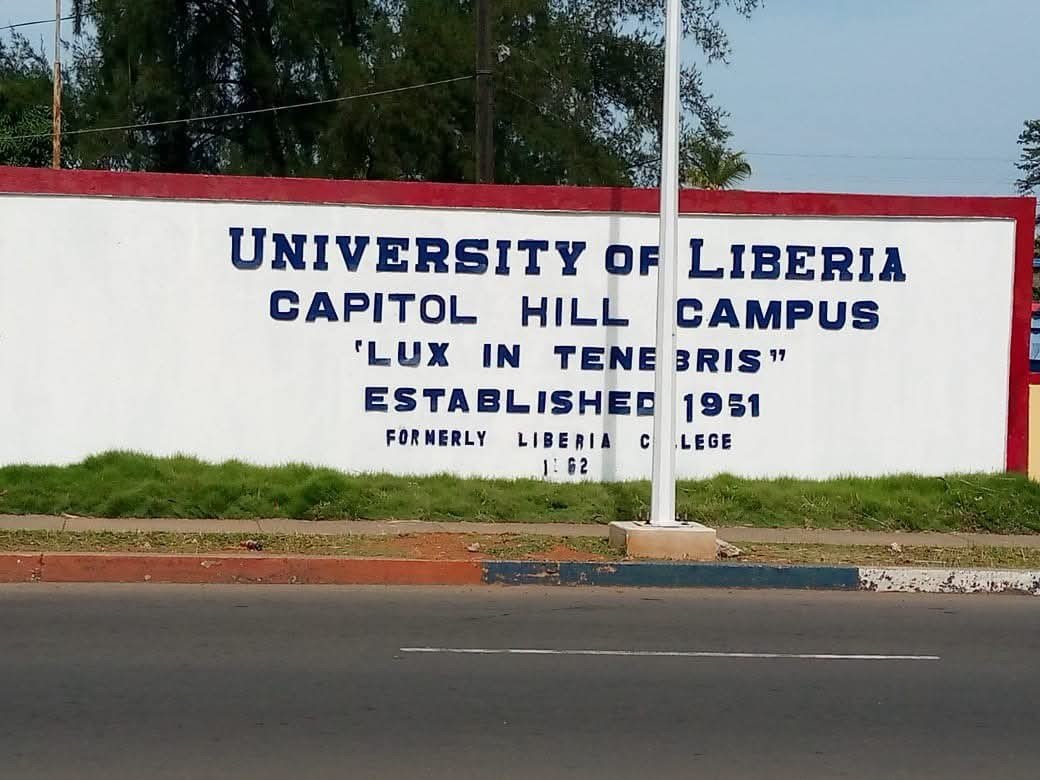
The University of Liberia (UL), with support from the Food and Agriculture Organization (FAO), is developing what officials describe as the world’s first modular undergraduate curriculum specifically focused on sustainable small-scale fisheries.
The initiative is being developed for the Department of Fishery and Aquaculture Sciences (DoFAS) at the University of Liberia and is intended to strengthen professional training and skills development within Liberia’s small-scale fisheries sector.
FAO is providing US$45,000 through a Technical Cooperation Project (TCP) pilot grant to support the initiative. Officials said successful implementation of the initial project could create opportunities for additional funding.
The details of the curriculum and the project’s implementation were discussed on Tuesday, September 2, during a meeting in Monrovia between University of Liberia President Dr. Layli Maparyan and FAO officials.
Those present included Dr. Ibrahim G. Ahmed, Country Team Lead of the Emergency Center for Transboundary Animal Diseases; Musa Sanoe, Assistant FAO Representative and National Monitoring and Evaluation Specialist; Chelleh B. M. Mitchell, National Fisheries Coordinator and FAO Technical Expert; and Dr. Alvin Jueseah, Chairperson of DoFAS at the University of Liberia.
The groundbreaking project, including a needs assessment, is expected to be completed within one year. The proposed curriculum will include a bachelor’s degree program as well as certificate and diploma options, allowing fishers and other fisheries practitioners to receive practical training without having to complete a four-year university degree.
Duke University, Stanford University, the University of California, Santa Cruz, and Conservation International are among the international partners collaborating on the initiative.
According to UL officials, the program is expected to contribute to the development of Liberia’s small-scale fisheries sector while supporting broader national and international efforts toward sustainable fisheries management.
FAO also urged the University of Liberia to locate and publicize an earlier sea effort curriculum harvesting study report conducted about two years ago. The institution was further encouraged to establish a dedicated bank account for the project, similar to accounts used for projects supported by organizations such as UNDP and UN Women.
University of Liberia President Dr. Layli Maparyan described the initiative as an important opportunity for the institution to contribute to both national development and global sustainability.
“This latest grant is the culmination of years of work and international networking by Dr. Jueseah and his colleagues in DoFAS,” Dr. Maparyan said.
She expressed appreciation to FAO for supporting what she described as a groundbreaking project, as well as other initiatives at the University of Liberia.
For his part, DoFAS Chairperson Dr. Alvin Jueseah said the initiative would, to the best of his knowledge, represent the first modular undergraduate curriculum specifically designed for small-scale fisheries.
It will allow students to pursue a BSc specialization in SSF, while individual modules can support certificate and diploma programs for fisheries practitioners,” Jueseah said.
He said the flexible structure of the program would strengthen professional skills, support private-sector development, and contribute to Liberia’s national development priorities.
Jueseah explained that students enrolled in DoFAS’s four-year Bachelor of Science program will have the opportunity to specialize in small-scale fisheries. Meanwhile, the certificate and diploma components will provide fishers and other fisheries practitioners in Liberia and the wider subregion with opportunities to upgrade their skills and improve their livelihoods.
He further explained that the US$45,000 FAO grant will be used to conduct a curriculum needs assessment and gap analysis, develop the small-scale fisheries curriculum, modules and syllabi based on the Small-Scale Fisheries Guidelines and findings from the Illuminating Hidden Harvests initiative.
The funding will also support validation, approval and institutionalization of the modular curriculum, as well as training of trainers to strengthen the capacity of DoFAS faculty to teach the new program.
Jueseah said international partners, including Duke University, Stanford University, the University of California, Santa Cruz, Conservation International, and FAO headquarters in Rome, will provide technical guidance throughout the project.
In the long term, he said, the program is expected to produce skilled fisheries professionals while strengthening the capacity of people already working in the sector.
The curriculum will prepare graduates and practitioners to better understand and address the environmental, social, economic and governance challenges affecting small-scale fisheries in Liberia and across the wider subregion.
About The Author