By Jamesetta D. Williams
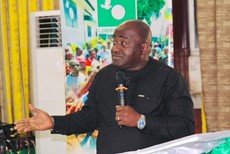
MONROVIA – Nimba County District 7 Representative Musa Hassan Bility has said Liberians’ interests are put last in deals concerning the management of their natural resources, as he raised concerns about the manner in which Liberia’s natural resource concession agreements are negotiated.
The lawmaker alleged that major deals involving the country’s resources are being conducted without sufficient public scrutiny or independent oversight.
In a letter titled “The Great Liberian Tragedy,” issued from Saclepea, the lawmaker and businessman argued that agreements covering Liberia’s iron ore, gold, diamonds, timber, and rubber sectors are often negotiated behind closed doors, leaving ordinary citizens with little knowledge of the terms under which the nation’s resources are managed.
According to Representative Bility, the Liberian people, whom he described as the rightful owners of the country’s natural wealth, are frequently excluded from discussions surrounding major concession agreements.
“The owners of the resources—the Liberian people—are too often the last to know the terms under which their national wealth is being surrendered,” Bility wrote.
The lawmaker further contended that Liberia has, for more than a century, relied heavily on foreign companies to assess, report, and account for resource extraction activities due to the country’s limited technical capacity to independently verify production levels, revenues, and obligations.
He argued that the lack of domestic expertise has created a system in which companies involved in resource extraction effectively monitor and report on their own operations without sufficient independent verification from Liberian authorities.
“In effect, those exploiting our resources have become their own auditors,” Bility stated, adding that no country can achieve sustainable prosperity while depending on external entities to determine the value of its own resources.
Representative Bility pointed to what he described as the visible consequences of the current system, noting that despite decades of resource extraction, many communities continue to struggle with poor infrastructure, inadequate educational facilities, limited healthcare services, and high unemployment rates.
He observed that while minerals, timber, and other natural resources continue to be exported, the expected benefits have not translated into significant improvements in the living conditions of many citizens residing in resource-rich areas.
The Nimba lawmaker also criticized concession agreements for failing to adequately develop Liberia’s human resource capacity. He argued that resource contracts should contribute to producing skilled professionals, including geologists, engineers, accountants, auditors, environmental scientists, and resource managers.
Instead, he said, Liberia continues to export raw materials while relying on imported expertise to manage and oversee critical sectors of the economy.
As part of his recommendations, Representative Bility called for stronger oversight mechanisms, regular audits of institutions responsible for managing natural resources, and greater public accountability in the negotiation and implementation of concession agreements.
He emphasized that transparency should become a fundamental requirement rather than an optional component of resource governance.
Bility concluded his statement with a warning to policymakers, questioning what legacy would remain once Liberia’s natural resources are depleted.
“When the resources are gone, what will remain?” he asked, cautioning that unless significant reforms are undertaken, future generations may remember the current period not for the wealth the country possessed, but for the opportunities that were lost.
As of press time, the Executive Branch had not publicly responded to the concerns raised by Representative Bility regarding the negotiation of concession agreements and resource management practices.
About The Author