
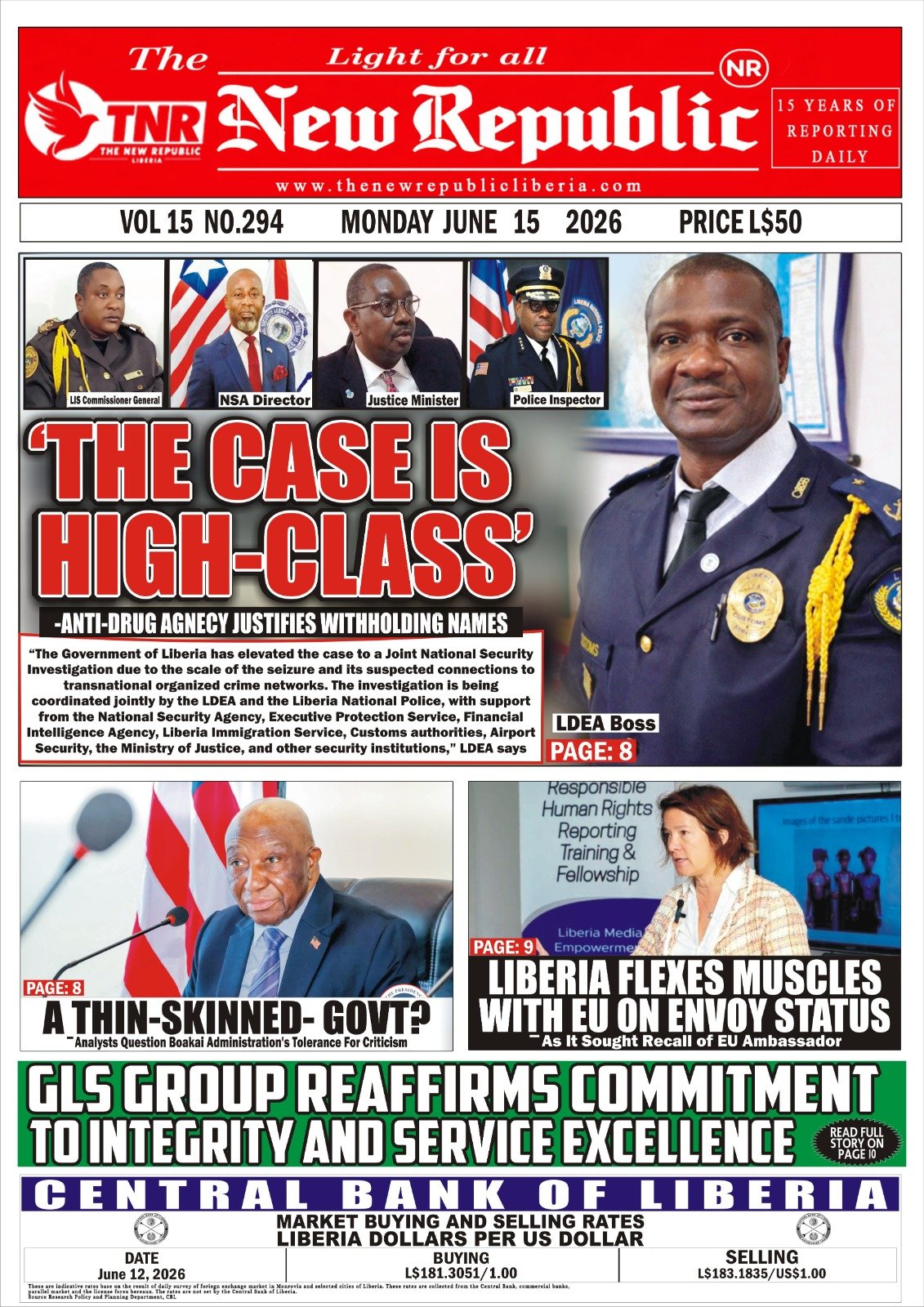
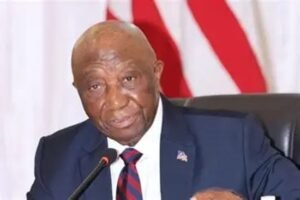
MONROVIA – The Liberian government’s handling of national and international issues has since claimed overwhelming concerns across the political spectrum and even brought into sharp focus how thin-skinned it has reportedly become since coming to office in 2024.
President Joseph Boakai administration has been accused of adopting hyper-sensitive approaches and tactics to issues, in most cases bordering on its performance, lifespan, and standings on both national and international matters.
These scenarios ranging from media disputes to diplomatic rows, made critics to say the government is showing “hyper-sensitive, hair-trigger, thin-skinned” reflexes, though it argues it’s defending institutions and national interest
Those labels being attached to the Boakai administration by political analysts, media commentators, and civil society actors are said to be showing increasing signs on a daily basis as the government continues to flex its muscles.
The issue comes up repeatedly as Liberians discuss three recent episodes or actions seen as suppressive of free speech, the diplomatic complaint against a Nigerian cleric over a prophecy, and calls for the recall of the EU Ambassador to Liberia, and harsh responses and disparaging attacks on opposition figures whose views deemed unbecoming and unwelcoming to the government.
As the debate deepens further, critics argue that they paint a picture of a government that reacts strongly to issues many administrations would let pass. Contrarily, government officials counter that they are not “thin-skinned” but are simply defending institutions, order, and Liberia’s reputation.
Judging from different political lenses, the debate cuts to the heart of a bigger question of how should a young democracy balance free expression, diplomatic protection, and the right of government to push back against perceived attacks.
While arguing that the government deserves the right to respond to issues of concerns, political observers point to a pattern of responses they describe as “high-triggered,” quick, forceful reactions to criticism, commentary, or perceived slights.
Some of the concerns draw into question the issue of free speech considering that there have been multiple reports over the past two years of journalists, talk show hosts, and social media commentators facing police questioning, or threats of legal action over comments critical of officials.
Press freedom groups have flagged several cases, while government defenders say enforcement targets incitement, defamation, or threats to public order, not criticism itself. Critics say the line between accountability and suppression is getting blurry.
The row with Nigerian cleric prophecy is said to be a stark reflection of government’s deportment.
Recall that after a Nigerian cleric released a prophecy describing the Boakai administration in harsh terms, Monrovia filed a formal complaint with Abuja. But the cleric to the complaint to an embarrassing length, and refused to retract and called the move “bullying.”
According to some analysts, governments often ignore or downplay foreign prophecies and sermons, but argue that the diplomatic escalation fits the “thin-skinned” pattern of reacting officially to commentary rather than letting it fade.
Another issue that has drawn concern and heightened the ‘thin-skinned suspicion has to do with the European Union Ambassador recall calls.
A leaked letter floating on social media point to an embarrassing but tacit diplomatic frost between the EU and the Liberian government.
The recent calls from the government for the recall of the EU Ambassador have added fuel.
The move followed public comments or reports from the diplomat that the administration disliked, but government supporters say recall requests are standard diplomatic practice when a envoy is perceived to overstep.
All of these weaved together, make analysts wonder if the government “doesn’t allow any issues past its radar” if every criticism, prophecy, or diplomatic comment triggers a response.
Some Government’s defenders say “We’re not thin-skinned, we’re responsible,” pushing back hard on the label.
In their argument, rule of law has not suppression, saying questioning journalists or pursuing legal action isn’t about silencing dissent. It’s about enforcing laws on defamation, false information, and incitement.
“Freedom of speech is not freedom to defame or destabilize,” one official stated.
On the issue of prophecy, they say it is about protecting national dignity because the “prophecy was not just religious expression but language that could incite fear and undermine constitutional authority.”
Filing through diplomatic channels was the “responsible” path, not an overreaction.
Commenting on the EU envoy, they also defended the action, calling it “standard diplomatic practice” that requesting recall is part of normal state-to-state relations. “Countries do it regularly when diplomats are seen as interfering in domestic politics,” said an official.
However, political analysts put into context kinds of issues that should trigger a response, adding “Governments with a high threshold ignore cartoons, sermons, and tweets, while those with a low threshold respond officially to almost everything.”
According to then, the Liberian government’s threshold for response appears low right now. They even wonder if the response matched the issue responded to.
Equally so, they focused on familiar reason they believe is fueling the mode among officials. One stated the fact that Boakai campaigned on “rescue” and institutional repair after years of corruption scandals creates pressure to appear in control, while also critics watch every move for signs of intolerance.
About The Author