
By Stephanie M. Duncan
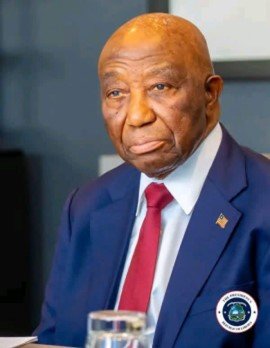
President Joseph Nyuma Boakai, Sr. expressed frustration over delayed renovation of the University of Liberia (UL), and ordered immediate acceleration of the renovation and modernization of its campuses.
The Liberian government delivered on substantial financial commitment made for the modernization of the state-run tertiary institution.
President Boakai’s directive, according to the Exeutive Mansion, followed a high-level coordination meeting held Tuesday, August 4, intended to assess progress on the university’s infrastructure rehabilitation program and identify measures to fast-track renovation works ahead of the institution’s reopening.
The meeting brought together senior government officials, including the Ministers of State for Presidential Affairs, Finance and Development Planning, Public Works, Local Government, and Education, along with the University Administration, Board of Trustees, and other key stakeholders.
President Boakai noted that although the government appropriated approximately US$6.3 million for the renovation and modernization of University of Liberia facilities, he has yet to see significant physical progress.
According to the Executive Mansion, the Ministry of Finance and Development Planning has already processed the necessary funding, prompting the President to seek clarification on the delays and demand practical measures to accelerate implementation.
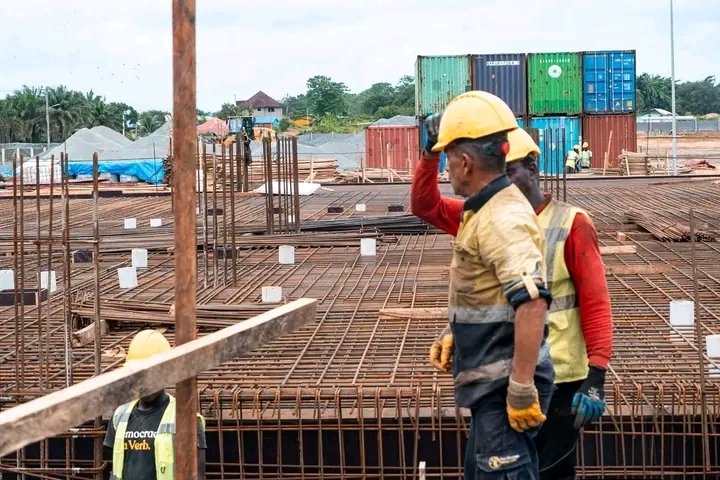
During the meeting, university officials presented a phased renovation plan that includes the construction of a new 25-classroom academic building at the Fendall Campus, modernization of the university’s largest academic building, and rehabilitation of facilities at the Capitol Hill and Sinje campuses.
However, the administration acknowledged that major construction activities have not yet begun, attributing the delays to technical challenges within the public procurement process.
Participants agreed that while long-term modernization remains a priority, urgent rehabilitation works affecting student safety and learning conditions—including roofing, sanitation, water supply, sewage systems, and structurally unsound buildings—must be completed before students return to campus.
The Ministry of Public Works was tasked with working alongside the university to validate project designs, implementation schedules, and technical priorities, while the Ministry of Finance and Development Planning committed to addressing procurement bottlenecks to ensure construction begins without further delay.
The University’s Board of Trustees will continue monitoring implementation while strengthening coordination among faculty, administrators, and staff. The Board and University Administration were also instructed to maintain regular engagement with faculty members and students by providing updates on renovation activities and reopening plans.
The meeting concluded with the adoption of a comprehensive action plan that includes establishing a joint technical team, preparing a costed and phased implementation program, resolving procurement issues, and creating a coordination committee to oversee execution. The committee will be co-chaired by the Ministry of Public Works and the University of Liberia Administration, with representation from the Ministries of Finance and Development Planning, Education, and State.
President Boakai reaffirmed that strengthening higher education remains a central pillar of his administration’s ARREST Agenda for Inclusive Development, emphasizing that Liberia’s premier public university must provide students and faculty with a safe, modern, and conducive learning environment.
He urged all institutions involved to work collaboratively, eliminate administrative bottlenecks, and ensure that visible progress on the renovation project is achieved without further delay.
About The Author