
By Othello S. Nimely
MONROVIA–The Joseph N. Boakai administration is under fire over allegations that it has deployed “zogoes” to verbally attack opposition voices critical of its handling of state affairs, particularly the recent drug busts at Roberts International Airport and in the VOA Community, Margibi County.
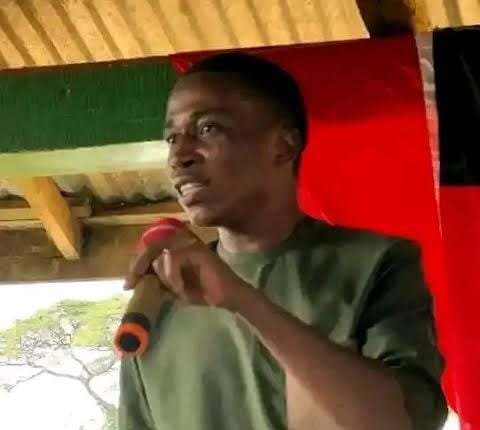
Speaking last week at the University of Liberia, Movement for Progressive Change (MPC) Political Leader Simeon Freeman accused the government of placing individuals in public positions whose main job is to insult and attack critics instead of responding to the issues they raise.
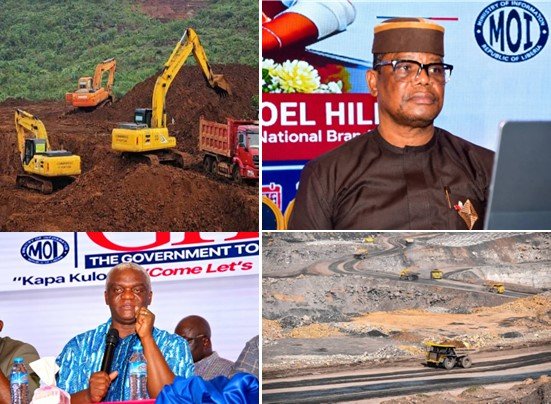
Freeman did not name anyone specifically, but his comments come as Deputy Information Minister Daniel O. Sando faces growing criticism for what many describe as harsh public remarks against government opponents.
According to the MPC leader, some government appointees “resort to insults and personal attacks” rather than address policy concerns.
“They are ignorant figures who support things they don’t understand, and when challenged they attack people,” Freeman said. He added that the opposition’s role is to help the government “identify and correct policy mistakes.”
The term “zogoes” is commonly used in Liberia to describe street boys, and Freeman’s use of it suggests the administration is relying on crude tactics rather than policy engagement.
Freeman also accused the Boakai government of misleading the public and said the administration would have “buried” the cocaine investigations if not for pressure from opposition parties.
He pointed to the two high-profile cocaine seizures, one at RIA and another in VOA Community, and argued that both cases should be handed to foreign investigators to ensure credibility and transparency.
The MPC leader further compared the current government to the previous CDC administration, claiming the CDC attracted more investors.
He did not present data to back the claim. The government has not yet issued an official response to Freeman’s accusations.In a separate interview, Deputy Minister Sando defended his approach.
He said President Boakai is aware of how he responds to critics and that if the President had a problem with it, “he would have called me to order.”
In the same UL engagement, Freeman turned his attention to the state of the University of Liberia. He described the condition of the main campus as “a recipe for chaos” and called for urgent government intervention to fix buildings and improve the learning environment.
“The buildings at UL are not conducive for learning,” he said, warning that continued neglect could fuel frustration among students and faculty.
Freeman also announced a personal pledge to cover tuition for 1,000 UL students this semester, disclosing 300 slots would go to members of the Students Unification Party, while the remaining 700 would be open to other students.
The initiative, he said, is aimed at reducing the financial pressure on students and keeping more young people in school.He urged SUP and the wider student body to remain peaceful and engaged in national issues, stressing that “education must remain a national priority.”
Details on how the tuition support will be selected and paid are yet to be released. Freeman’s remarks add to ongoing public debate about the government’s communication style, its response to the drug crisis, and conditions in public institutions.
With the Boakai administration yet to formally respond to the “zogoes” allegation, attention will be on whether officials address the claims directly or adjust their public messaging in the weeks ahead.
About The Author