
By Jamesetta D. Williams
As Liberia reflects on successive Independence Day celebrations, a recurring question is emerging among many citizens: Will the recommendations of the nation’s National Orators influence government policy, or will they remain powerful speeches remembered only during Independence Day commemorations?
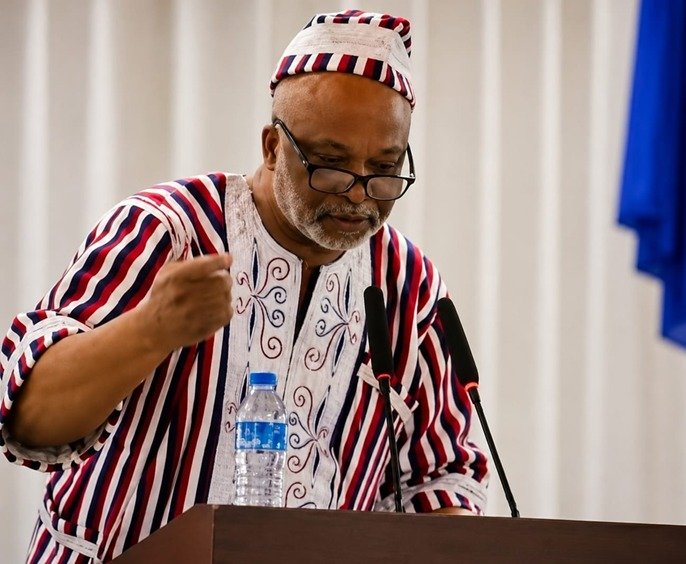
The question has gained renewed attention following the 179th Independence Day Oration delivered by Dr. Herbert Brewer in Buchanan, Grand Bassa County, where he called for strengthening Liberia’s national identity through Liberian-led historical narratives.
Brewer’s address emphasized the importance of understanding Liberia’s history as a foundation for national unity, patriotism and democratic development. He argued that Liberians should reclaim ownership of their history, celebrate the contributions of both Indigenous communities and settlers, and use historical understanding as a tool for national cohesion.
His message echoed many of the themes raised a year earlier by Robtel Neajai Pailey, who challenged Liberia to build a nation grounded in dignity, responsible citizenship and structural reform.
While their approaches differed, both National Orators presented ambitious visions for rebuilding Liberia.
Pailey focused on transforming governance, reducing inequality, strengthening citizenship and addressing what she described as structural violence. Her address proposed reforms in education, economic development, civic responsibility, anti-corruption efforts and public accountability, repeatedly reminding Liberians that “Dignity must define us.”
Brewer, meanwhile, argued that no nation can successfully move forward without understanding its past. He encouraged Liberians to reject distorted narratives about their history and instead embrace Liberian-led historical research as a means of strengthening national identity and preserving the country’s democratic legacy.
Although delivered in different years, the two speeches converge on a common message: Liberia’s future depends on stronger institutions, active citizenship, accountable leadership and a shared national purpose.
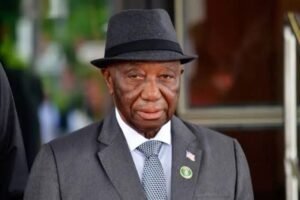
Nearly three years into President Joseph Nyuma Boakai’s administration, many Liberians are now asking whether these recommendations will find expression in government policies.
The Boakai administration continues to implement its ARREST Agenda for Inclusive Development, with priorities that include infrastructure development, agriculture, education, governance reforms and economic recovery. However, the recommendations presented by successive National Orators extend beyond annual celebrations, offering long-term ideas for nation-building that many believe deserve sustained attention.
Political observers note that Independence Day Orations have historically served not only as ceremonial addresses but also as opportunities for respected Liberians to present bold ideas for national development. While governments are under no obligation to adopt every recommendation, many citizens believe the speeches provide valuable perspectives that can contribute to public policy discussions.
The recurring themes emerging from recent orations including dignity, national identity, accountability, reconciliation, civic responsibility and inclusive development suggest that Liberia’s challenges require both government leadership and active citizen participation.
Whether through Pailey’s call for structural reform or Brewer’s emphasis on reclaiming Liberia’s historical identity, both Orators presented visions aimed at strengthening the Republic and improving the lives of ordinary Liberians.
As the country moves beyond this year’s Independence Day celebrations, one question continues to resonate across public discussions:
Will the Boakai administration listen to the calls made by Brewer and Pailey and translate their recommendations into meaningful national reforms, or will these powerful messages remain part of Liberia’s annual Independence Day tradition without lasting policy impact?
The answer may ultimately be reflected not in future speeches, but in the government’s actions, the participation of citizens and the nation’s progress toward a more united, accountable and prosperous Liberia.
About The Author