By Jamesetta D. Williams
Monrovia- The Ministry of Gender, Children and Social Protection has launched a five-year strategic plan aimed at strengthening child protection, expanding opportunities for women and girls, and improving access to essential services for vulnerable individuals and families across Liberia.
The 2026–2030 Strategic Plan is designed to improve the ministry’s institutional capacity, strengthen service delivery, and promote a more coordinated approach to addressing the needs of vulnerable groups.
The plan identifies key priorities, including protection for survivors of gender-based violence, sustainable livelihood opportunities, stronger child safeguarding systems, and expanded social protection services for persons with disabilities and older people.
The framework was launched at the EJS Ministerial Complex in Congo Town, Monrovia, bringing together government officials, United Nations agencies, development partners, civil society organizations, and women’s groups.
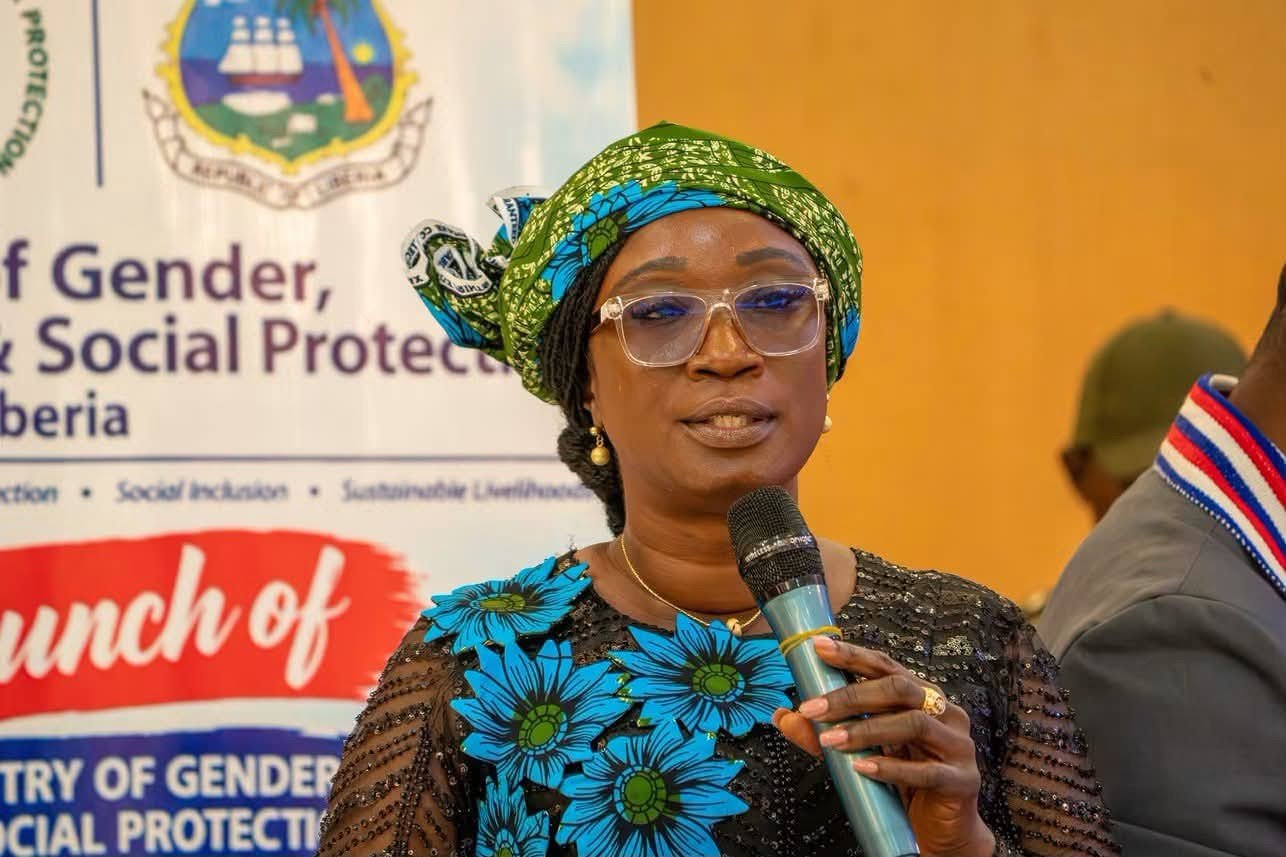
Speaking at the launch, Gender Minister Gbeme Horace-Kollie said the success of the strategic plan would be measured by its impact on the lives of ordinary Liberians.
She emphasized that policy commitments must be translated into accessible services and measurable results for the people the ministry serves.
“Implementation requires more than goodwill; it demands strategic investment, strong partnerships, and the collective determination to turn our priorities into practical outcomes,” Horace-Kollie said.
The minister identified adequate funding, sustained political commitment, effective coordination, and stronger institutional capacity as essential factors in ensuring the successful implementation of the plan.
According to her, the strategic framework is intended to move the ministry away from fragmented interventions toward an integrated system that connects national priorities, institutional responsibilities, available resources, and performance targets.
She explained that this approach would help the ministry improve coordination among stakeholders and ensure that its programs respond more effectively to the needs of vulnerable populations.
Under the plan, women and girls are expected to benefit from increased protection and expanded opportunities, while children will receive stronger safeguarding support.
The framework also seeks to improve access to timely and dignified services for survivors of gender-based violence and strengthen social protection programs for individuals and families facing economic and social challenges.
Dr. Josiah F. Joekai Jr., Director General of the Civil Service Agency (CSA), formally launched the strategic plan and described it as an important step toward improving the ministry’s effectiveness and institutional performance.
Joekai reaffirmed the CSA’s commitment to supporting staff welfare, workforce development, and institutional capacity, noting that effective public service delivery depends on the competence and well-being of the employees responsible for implementing government policies.
He stressed the importance of strengthening the workforce to ensure that public institutions can deliver services more efficiently and respond to the needs of the population.
Minister Horace-Kollie also acknowledged the support of President Joseph Nyuma Boakai and recognized the Ministry of Finance and Development Planning, development partners, and other stakeholders for their contributions to resource mobilization and institutional strengthening.
She emphasized the importance of continued cooperation among government institutions, civil society organizations, development partners, and the private sector to ensure the plan achieves its intended objectives.
The ministry pledged to work with these stakeholders to advance implementation and strengthen programs that protect children, empower women and girls, and improve the welfare of vulnerable communities.
As the ministry begins implementing the 2026–2030 Strategic Plan, its progress will depend on the availability of resources, effective coordination, and the ability to translate policy commitments into practical services.
The ultimate measure of the plan’s success will be whether it delivers stronger protection for children, greater opportunities for women and girls, and more reliable social protection for vulnerable individuals and families throughout Liberia.
About The Author