By Jamesetta D Williams
The Liberia Anti-Corruption Commission (LACC), seeking to strengthen its statutory duty of prosecuting corruption, Wednesday , conducted a one-day Quarterly Review Session for prosecutors under the theme, “Widening the Horizon for Effective Prosecution,” at the Commission’s headquarters on Old Road in Monrovia.
The session brought together prosecutors and legal practitioners of the Commission as part of efforts to strengthen their legal knowledge and improve prosecutorial effectiveness in the ongoing fight against corruption.
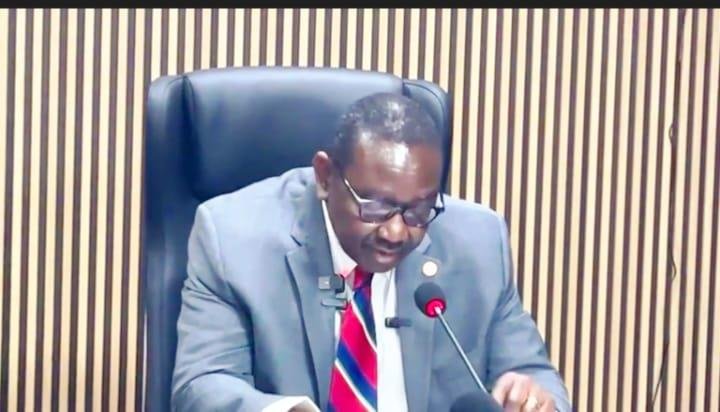
Speaking at the opening ceremony, LACC Executive Chairperson Cllr. Alexandra K. Zoe emphasized the importance of continuous professional development for prosecutors handling corruption-related cases.
According to Cllr. Zoe, the increasing sophistication of corruption requires prosecutors to constantly evolve and sharpen their legal and technical skills in order to effectively investigate and prosecute complex cases.
“The success of the Commission depends heavily on the technical proficiency and preparedness of our prosecution team,” she noted, stressing the need for continuous legal training and institutional capacity building.
Cllr. Zoe also commended the LACC prosecution team for its collaboration with the Ministry of Justice during the recent high-profile Financial Intelligence Agency (FIA) trial involving former government officials accused of corruption-related offenses.
Reflecting on the outcome of the case, she acknowledged that the Commission did not achieve the full verdict it had anticipated, but described the securing of three guilty verdicts out of five defendants as a significant achievement.
She said the outcome demonstrates that accountability remains possible regardless of the status of public officials involved.
“This serves as a reminder that the wheels of justice are turning and accountability is within reach,” she stated.
The training session featured presentations from several legal experts and judicial officials aimed at improving courtroom performance and strengthening prosecutorial strategy.
Criminal Court “C” Judge Ousman Feika served as one of the lead facilitators, delivering presentations on “Case Management and Techniques for Effective Courtroom Trial.”
Drawing from his experience on the bench, Judge Feika provided practical guidance on courtroom management and highlighted the importance of organization, professionalism, and the clear presentation of facts during trial proceedings.
His presentation covered several critical areas, including the preparation of strong indictments, effective presentation of evidence, proving criminal cases beyond reasonable doubt, and understanding appeal procedures and common legal mistakes.
Also speaking during the session, Cllr. M. Wilkins Wright focused on the appeals process, warning prosecutors about technical errors that could undermine cases after months of legal work.
Meanwhile, renowned Liberian lawyer and human rights advocate Cllr. Tiawan S. Gongloe emphasized the importance of developing evidence-based indictments, stressing that every successful prosecution begins with a strong legal foundation.
“A case is only as strong as the evidence presented in support of it,” Gongloe told participants.
Organizers said the technical sessions also created an opportunity for open dialogue between prosecutors and Oversight Commissioners on the practical challenges prosecutors face in their daily work.
The discussions further aimed at strengthening collaboration within the Commission and building a unified prosecutorial team capable of advancing the national fight against corruption more effectively.
About The Author