By Jamesetta D Williams
The Chief Executive Officer of the Community of Hope Agriculture Project, Bishop Robert Bimba, has called for greater national investment in agriculture, expressing confidence that Liberia can achieve food self-sufficiency and become a food-exporting nation within the next three years if the sector is given the priority it deserves.
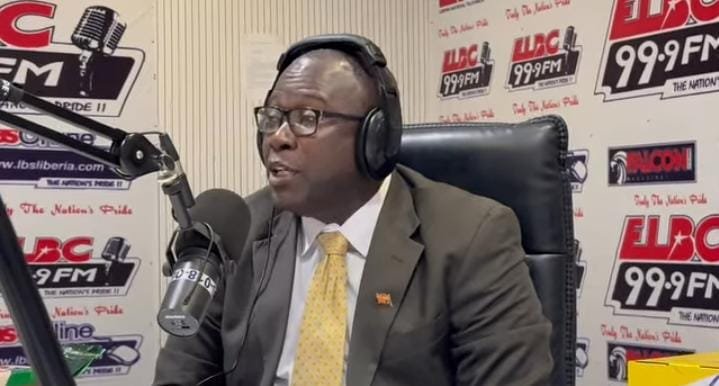
Speaking in an interview on state radio on Monday, Bishop Bimba said Liberia possesses the natural resources and agricultural potential needed to produce enough food to feed its population and export the surplus.
“We can continue to cherish rice as our national pride, but the goal should be to produce enough locally instead of importing it. We should be feeding ourselves and exporting the surplus,” he said.
According to Bishop Bimba, the growing interest among Liberians in agriculture is largely driven by increasing awareness of global food insecurity and the lessons learned from the 2008 global food crisis. He stressed that with deliberate policies and sustained investment, the country could transform its agricultural sector within a short period.
If we are intentional, put our money where our mouth is, and make agriculture a true national priority, Liberia can experience remarkable transformation within three years,” he stated.
The agriculture advocate emphasized that increasing food production alone is not enough, noting that local farmers must also have access to reliable markets where they can sell their produce.
Telling people to grow food without buying what they produce is a disservice. We need to intentionally support local production by purchasing food grown by Liberian farmers,” he said.
Bishop Bimba argued that Liberia’s continued food insecurity is preventable, considering the country’s fertile land, favorable climate, and relatively small population.
“We are too blessed to be suffering in this country. Our hunger is not justifiable. We should be feeding ourselves and exporting the excess,” he added.
The Community of Hope Agriculture Project CEO also criticized the government’s continued reliance on imported food during official functions, saying such practices undermine efforts to promote domestic agricultural production.
“It does not make sense for the Ministry of Agriculture to organize workshops and serve imported food. It does not make sense for Cabinet meetings or government retreats to rely on imported rice. Government must patronize what Liberians produce,” he asserted.
Bishop Bimba disclosed that he previously encouraged President Joseph Nyuma Boakai to present Liberian-grown rice as an official gift to visiting foreign dignitaries, describing the initiative as a symbol of national pride and confidence in local production.
According to him, although President Boakai welcomed the proposal, it has yet to be implemented.
He concluded by urging both the government and the public to develop greater confidence in locally produced goods, emphasizing that changing public attitudes toward Liberian agricultural products is essential to building a vibrant and sustainable agricultural economy.
Bishop Bimba maintained that prioritizing agriculture would not only improve food security but also create jobs, stimulate economic growth, reduce dependence on imports, and position Liberia as a competitive agricultural producer within the West African region.
About The Author