
By Jamesetta D. Williams
Monrovia-Liberia has identified five priority areas that will guide its engagement at the United Nations Security Council (UNSC) when the country assumes the council’s rotating presidency in December 2026, with a focus on conflict prevention, youth participation, climate-related security challenges, regional cooperation, and institutional reform.
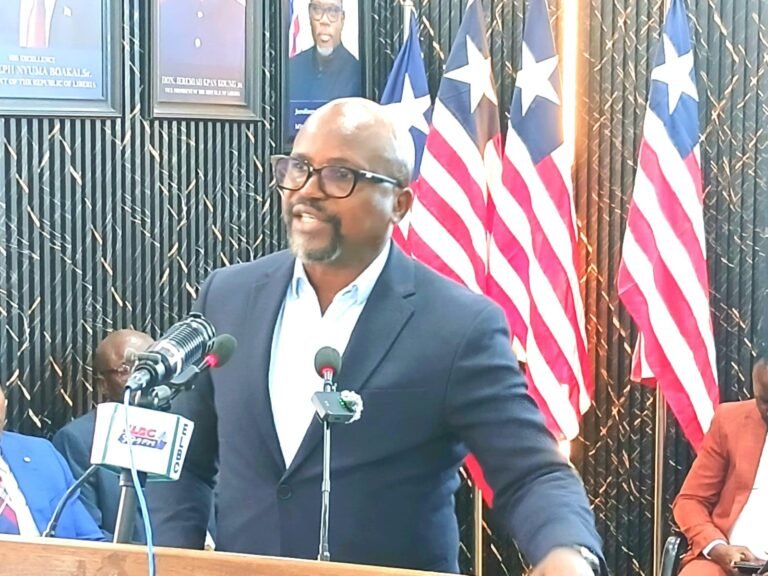
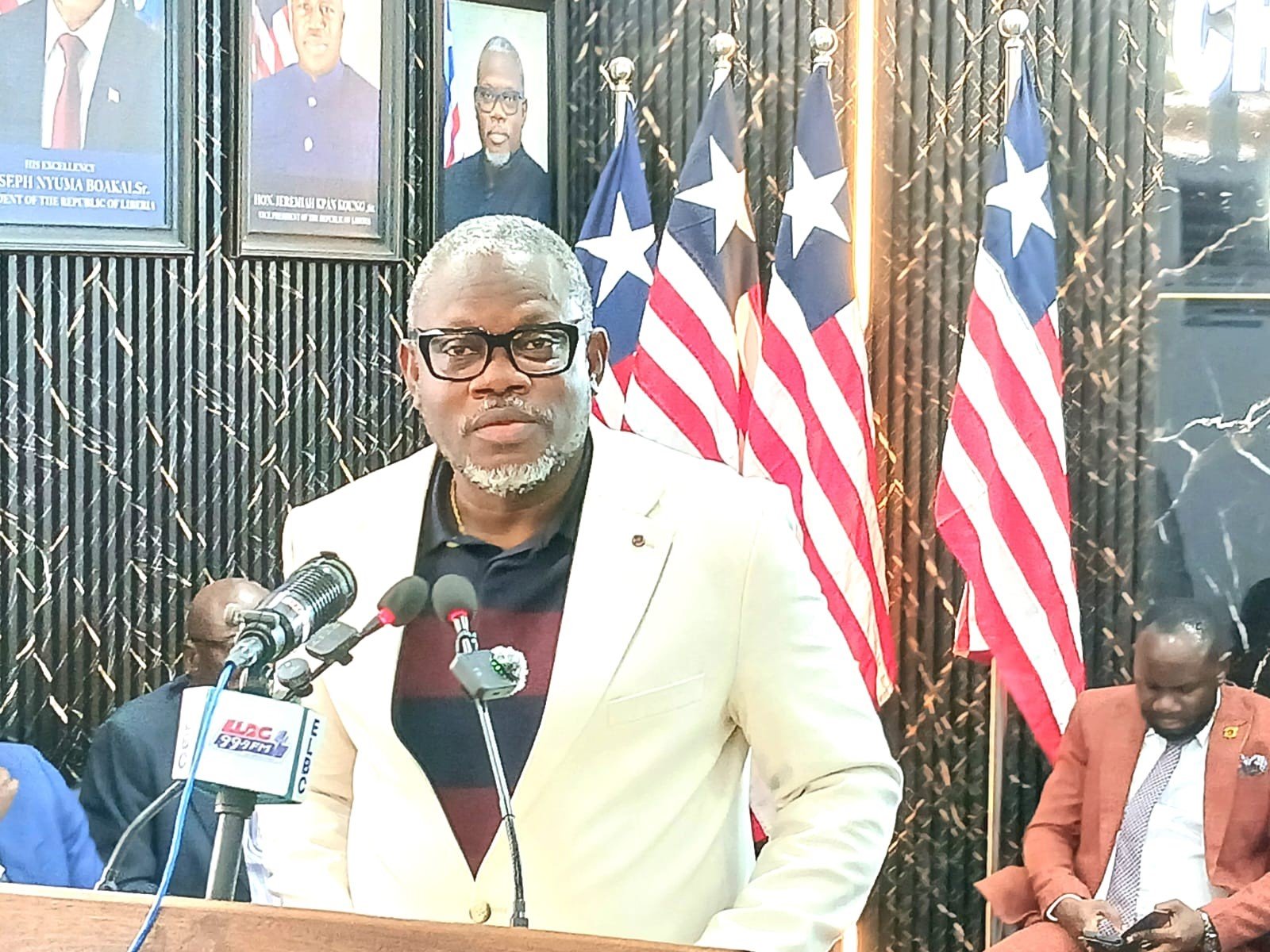
Information Minister Jerolinmek Matthew Piah announced the priorities during the Ministry of Information’s regular press briefing at Charles Gbenyon Hall in Monrovia, describing the upcoming presidency as an opportunity for Liberia to contribute to international discussions on peace and security.
According to Minister Piah, the government is making preparations to ensure that Liberia uses its month-long leadership of the Security Council to advance key foreign policy objectives and draw international attention to issues affecting Africa and other regions.
He disclosed that President Joseph Nyuma Boakai Sr. is expected to travel to New York to personally preside over the council’s proceedings during Liberia’s presidency.
The Minister of Foreign Affairs and Liberia’s diplomatic representatives are also expected to play important roles in coordinating the country’s engagement and advancing its proposed priorities.
Minister Piah outlined five major areas that will shape Liberia’s engagement during its presidency.
They include conflict prevention and peacebuilding; youth participation in peace and security; the relationship between climate change and natural resources; regional security cooperation; and reform of the United Nations Security Council.
The government says conflict prevention, peacebuilding, and women’s participation in decision-making will remain among its leading concerns.
Liberia intends to use its position to encourage stronger international efforts aimed at preventing conflicts before they escalate, supporting peacebuilding initiatives, and ensuring that women have meaningful roles in decisions affecting peace and security.
The focus on youth participation is also expected to highlight the importance of involving young people in peacebuilding, conflict prevention, and sustainable development.
The government believes that young people should not only be viewed as beneficiaries of peace and development programs but should also be included in decision-making processes that affect their future.
Another priority will address the connection between climate change, natural resources, and security.
Liberia intends to draw attention to how environmental pressures, competition over natural resources, and climate-related challenges can contribute to tensions and instability in vulnerable communities.
The issue is particularly relevant to countries facing environmental degradation, pressure on land and water resources, and disputes over the use and management of natural resources.
Through its Security Council engagement, Liberia is expected to encourage greater international attention to the security implications of climate change and the need for sustainable natural resource governance.
Regional security cooperation will also feature prominently in Liberia’s agenda.
Minister Piah said the government intends to promote stronger collaboration among countries and regional institutions in addressing emerging security threats across the Mano River Union, the Economic Community of West African States (ECOWAS), and the Sahel region.
The proposed focus comes amid continuing security challenges in parts of West Africa, where instability, armed violence, and cross-border threats require coordinated regional responses.
Liberia’s presidency is expected to provide an opportunity to emphasize the importance of cooperation among neighboring countries and international partners in maintaining regional peace and stability.
The fifth priority focuses on reforming the United Nations Security Council to make it more representative, effective, and responsive to the concerns of member states.
Liberia intends to support discussions on improving the council’s structure and decision-making processes, particularly in addressing concerns about representation and the participation of developing countries.
The government believes that reforms are necessary to strengthen the council’s credibility and ensure that its decisions reflect the interests and concerns of the wider international community.
Minister Piah said President Boakai is expected to travel to New York to personally preside over the Security Council during Liberia’s December presidency.
The president’s participation is expected to provide high-level political leadership to Liberia’s engagement, while the Foreign Ministry and the country’s diplomatic mission will support the coordination of activities and discussions.
Piah said the presidency would give Liberia an opportunity to advance its foreign policy objectives and contribute to international efforts aimed at maintaining peace and security.
As Liberia prepares to assume the rotating presidency, attention will be focused on how effectively the government translates its five priority areas into meaningful discussions, diplomatic engagement, and outcomes at the international level.
The presidency will also provide Liberia an opportunity to demonstrate its commitment to multilateral diplomacy and strengthen its voice in addressing regional and global security challenges.
About The Author