By Jamesetta D. Williams
MONROVIA–The National Documents and Records Agency (NDRA), through the National Archives of Liberia, is set to host a special historical exhibition as part of activities marking Liberia’s 179th Independence Day celebrations.
The exhibition, which is being organized in collaboration with the Office of the Director General of the Cabinet, will be held on Wednesday, July 22, 2026, at the Monrovia City Hall on Broad Street, beginning at 10:00 a.m.
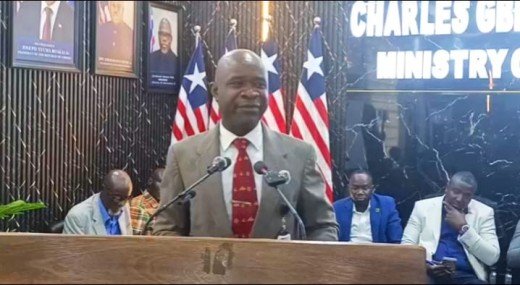
Speaking ahead of the event, NDRA representative George W. Woodton said the exhibition is being held under the theme: “Showcasing Our Past for National Progress.”
According to Woodton, the exhibition is intended to preserve Liberia’s historical heritage and provide citizens, students, scholars, and international visitors an opportunity to physically view important documents and artifacts that tell the story of Liberia’s founding and development.
He disclosed that several priceless historical materials will be displayed, including the original copies of Liberia’s 1847 Declaration of Independence and Constitution.
Other materials to be showcased include historical photographs, maps of early European contacts with West Africa and Liberia’s coastline, records of the transatlantic slave trade along the West African coast, abolition movements, Pan-Africanism, and the role of Black Christian missions in Africa.
The exhibition will also feature historical records relating to the repatriation of freed slaves and settlers to Liberia, agreements between local chiefs and foreign authorities, early settlements established by colonization societies, including Providence Island, as well as images of colonial agents, governors, chiefs, and kings from Liberia’s early history.
Woodton explained that the event will also highlight important records from Liberia’s Commonwealth period, including the 1911 and 1914 border agreements between Liberia and Sierra Leone.
He invited government officials, foreign guests, members of the diplomatic community, scholars, historians, academicians, civil society organizations, media institutions, students, and the general public to attend the exhibition.
“Come early and join the queue to physically see the empirical evidence of the chronology of events leading to the nation’s independence and beyond,” Woodton said.
He emphasized that the exhibition is aimed at educating younger generations about Liberia’s unique historical position as Africa’s first independent republic and the second Black independent nation in the world after Haiti.
According to him, Liberia has a responsibility to preserve its history not only for Liberians but also for Africans and the international community interested in understanding the country’s foundation.
Woodton said the exhibition will use historical records, multimedia presentations, and interactive displays to connect Liberia’s independence story with its broader cultural and international significance.
He added that the initiative will promote patriotism, strengthen cultural identity, and allow citizens and visitors to experience historical evidence of the sacrifices and contributions of Liberia’s founding generations.
Meanwhile, the NDRA official clarified that the National Archives has not conducted a national study on the divorce rate in Liberia but maintains records related to divorce proceedings from the courts.
He explained that the agency keeps various official records, including divorce instruments, bachelor records, and western marriage documents, while customary marriage records remain under the authority of local government institutions.
On efforts to reclaim Liberia’s documentary heritage from foreign institutions, Woodton said the NDRA is exploring partnerships with institutions including Indiana University and the Library of Congress, which hold historical materials connected to Liberia.
He said the agency is working toward ensuring that important Liberian historical documents and artifacts are identified, preserved, and made accessible to the public.
Woodton also addressed concerns about historical records linked to former President William V. S. Tubman, who served Liberia for 26 consecutive years, saying the NDRA would investigate any available materials that could be of national importance.
He noted that the Tubman Library and Museum remains an important historical institution and expressed the need for efforts to restore and preserve such facilities as centers of Liberia’s national heritage.
The NDRA has encouraged Liberians and visitors to attend the exhibition and witness historical materials that document Liberia’s journey from its founding to present-day development.
About The Author