By Jamesetta D. Williams
Monrovia-The Liberia Intellectual Property Office (LIPO) says it has registered 483 trademarks as part of ongoing efforts to strengthen intellectual property protection and support businesses, creators, and innovators across the country.
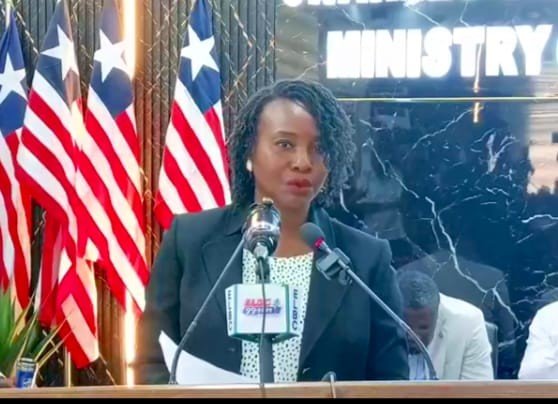
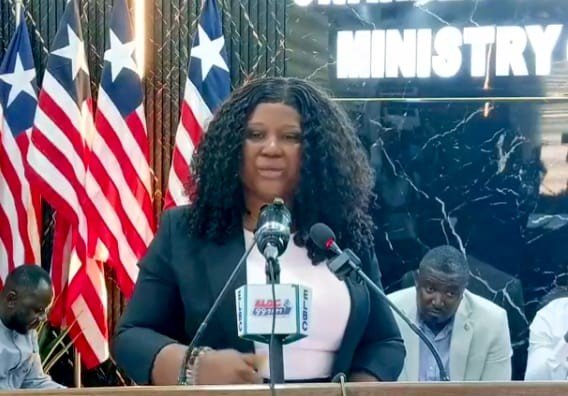
Speaking at the Ministry of Information press briefing, Hon. Koboi said the office has made significant progress over the past 10 months through collaboration with government institutions, international partners, and the private sector.
According to Koboi, LIPO has received 546 applications for intellectual property protection, covering trademarks, copyrights, and industrial designs.
Of the applications received, 483 trademarks have been registered, while the office has also received 40 copyright applications and three industrial design applications.
Koboi said five of the applications came from businesses operating in Nimba, Grand Bassa, and Bong counties, reflecting growing interest among local businesses in protecting their names and brands.
He added that LIPO is working toward an annual target of registering 1,550 intellectual property rights and is making progress toward achieving that goal before the end of the year.
Koboi encouraged journalists, media institutions, business owners, musicians, and other creative professionals to register their intellectual property to protect their brands, original works, and innovations from unauthorized use.
He noted that intellectual property protection can help businesses establish their identities, improve their competitiveness, and increase their earning potential.
Koboi also highlighted LIPO’s collaboration with the World Intellectual Property Organization (WIPO) to support 40 small and medium-sized enterprises (SMEs) through an intellectual property management clinic.
The initiative provides individual consultations to help businesses identify their intellectual property assets and determine how to protect and commercialize them.
He explained that the programme also provides guidance on product design, branding, packaging, and other areas that can improve the marketability of local products.
According to Koboi, the initiative aims to help businesses understand that obtaining a loan or producing goods is not enough without proper management, branding, and strategies for generating income.
He said LIPO is providing mentorship to businesses in counties including Nimba, Grand Bassa, Bong, and Lofa, where agricultural products such as cassava, gari, coffee, and moringa tea offer opportunities for business development.
Koboi cited locally produced moringa tea as an example of how improved branding and packaging can help Liberian products gain recognition in domestic and international markets.
He emphasized that businesses must improve product quality, packaging, and customer service to compete effectively beyond Liberia.
Koboi said public awareness of intellectual property rights is increasing, including among members of the media.
He encouraged journalists and content creators to protect their professional names, brands, original content, and other eligible intellectual property assets.
He also urged musicians and other creative professionals to understand their intellectual property rights before signing contracts with managers or other business partners.
According to him, a lack of understanding of contractual arrangements can result in disputes over ownership and control of creative works.
He said LIPO is prepared to provide guidance to individuals and businesses seeking to register and protect their intellectual property.
Koboi disclosed that stakeholders recently validated Liberia’s National Intellectual Property Strategy following consultations aimed at identifying gaps in the country’s intellectual property system and establishing a roadmap for improvement.
The validation workshop brought together representatives from government institutions, law enforcement agencies, creative industry groups, musicians, photographers, tourism stakeholders, the media, and the agricultural sector.
He said the strategy is intended to provide a coordinated framework for strengthening intellectual property protection and improving collaboration among relevant institutions.
Koboi expressed appreciation to stakeholders who participated in the process, noting that their contributions would help shape the implementation of the strategy.
Koboi also called for legislative action on eight international instruments submitted to the Legislature by the President in March.
He said the instruments are important to strengthening Liberia’s intellectual property framework, promoting tourism, protecting agricultural products, and improving the country’s participation in international trade.
He highlighted the importance of the UNESCO convention relating to cultural and tourism development and the potential of geographical indications to protect products associated with particular locations.
Koboi specifically pointed to Liberian coffee as a product that could benefit from geographical indication protection, helping distinguish it in the international marketplace.
He said LIPO is working with relevant government institutions and international partners to explore these opportunities and strengthen the protection of Liberia’s distinctive products.
Koboi said the office’s work supports the government’s ARREST Agenda by promoting a stronger intellectual property system that can encourage innovation, improve business development, and contribute to economic growth.
He emphasized that intellectual property protection should go beyond registration to help businesses and creators generate income from their work.
He added that LIPO will continue working with local businesses, government institutions, and international partners to expand awareness, strengthen protection, and help Liberian products compete in regional and international markets.
About The Author