
By Jamesetta D. Williams
Monrovia-While stating it is closely monitoring the unfolding Ebola situation reported in the West African region, specifically in Nigeria, the Government of Liberia has called for vigilance for travelers and Liberians in general.
The call is aimed at strengthening public health surveillance measures following reports of Ebola Virus Disease (EVD) in parts of the region.
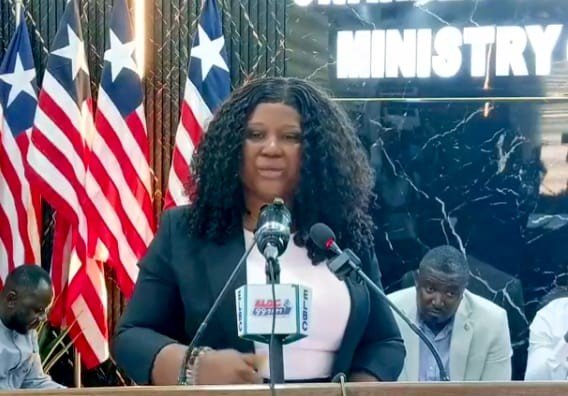
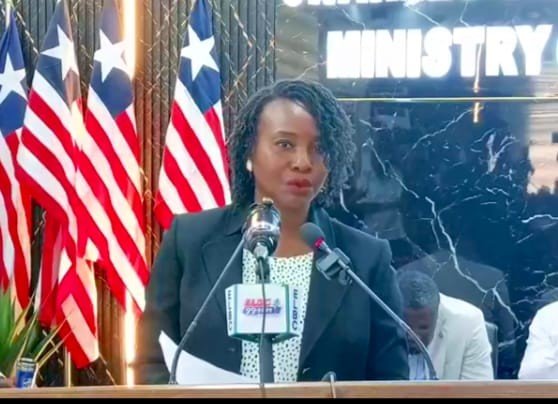
Dr. Camanor of the National Public Health Institute of Liberia (NPHIL) said the government, through the Ministry of Health and NPHIL, is closely monitoring the regional situation and taking precautionary measures to protect the population.
Dr. Camanor however assured the public that Liberia has no confirmed Ebola case but warned that the outbreak in the region requires increased vigilance, particularly at the country’s airports, land borders, and seaports.
The new travel advisory requires all travellers to complete a health surveillance form upon arrival and provide accurate information about their health status, recent travel history, and possible contact with sick persons or deceased individuals suspected of having Ebola.
Under the advisory, travellers arriving from or transiting through the Democratic Republic of the Congo (DRC) will be required to undergo 21 days of self-isolation and daily monitoring by health professionals.
Travellers arriving from or transiting through Uganda, Kenya, and Nigeria will also be monitored by health professionals for 21 days.
Health screening, including temperature checks, will be conducted at all points of entry. Anyone suspected of showing symptoms of Ebola or another infectious disease will be managed according to Liberia’s established public health procedures.
The advisory further urges travellers and conveyance operators to observe infection prevention and control measures, including regular handwashing, using hand sanitizers, and avoiding unnecessary physical contact.
Travellers who develop symptoms are advised to report to the nearest health facility or contact the national health hotline at 4455. The Ministry of Health’s ambulance service can also be reached at 5888, according to the briefing.
Dr. Camanor explained that Ebola can spread through direct contact with the blood or body fluids of an infected person and through contaminated materials and surfaces.
Common symptoms include fever, severe headache, weakness, fatigue, muscle and body pain, vomiting, diarrhoea, stomach pain, and skin rash. Bleeding may occur but is not always present.
Dr. Camanor said NPHIL is strengthening surveillance at Roberts International Airport and other points of entry, particularly along borders through which travellers from affected or monitored countries may enter Liberia.
The institute is also working with organizers of the ongoing African Scrabble Championship to monitor participants arriving from different parts of Africa.
He said the government is increasing supplies of infection prevention and control materials and providing additional equipment to surveillance officers.
According to Dr. Camanor, NPHIL is also procuring laboratory reagents and other supplies to strengthen testing capacity and improve the turnaround time for results.
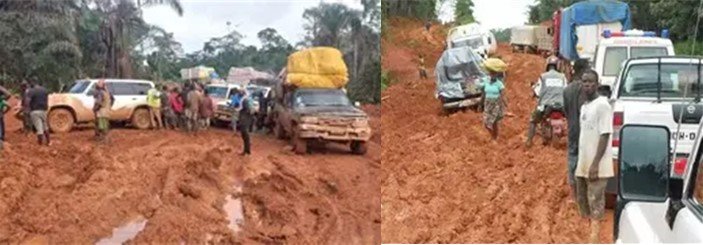
He commended the Ministry of Public Works for helping improve access to the National Reference Laboratory, whose road access has been affected by the rainy season.
He also praised the Liberia Electricity Corporation and the World Bank for supporting the connection of the laboratory to the national electricity grid.
Dr. Camanor said the laboratory was connected to the national grid after more than 35 years and that electricity was switched on Monday, October 19, 2026.
The NPHIL official said the government is expanding public health communication through press briefings, media engagements, and the joint publication of travel advisories and public health notices.
He added that the institute is strengthening coordination with public and private institutions, security agencies, government ministries, and other organizations to ensure that preventive measures are observed during public gatherings.
NPHIL is also engaging the Civil Service Agency to obtain information about meetings, conferences, and other large gatherings where temperature screening, hand-washing facilities, and other public health measures may be necessary.
The institute is working with the Liberia National Tourism Authority to ensure that major events comply with public health guidelines.
Dr. Camanor further disclosed that NPHIL plans to strengthen cooperation with the Liberia Pharmacy Board to help pharmacies and drugstores identify and report suspected cases.
He noted that many people visit pharmacies or purchase medicines for self-treatment before seeking care at hospitals, making pharmacies important partners in early detection.
Dr. Camanor said previous preparedness assessments showed that although healthcare workers had received training and health facilities had some necessary equipment, additional supplies were still needed.
He said NPHIL and the Ministry of Health are working to address the gaps by increasing supplies, refreshing healthcare workers’ training, and strengthening case management at health facilities.
The official also urged the public to remain calm, practise good hygiene, and rely on information released through official government channels.
He emphasized that the government is monitoring the situation closely and continuing to implement measures aimed at preventing the introduction and spread of Ebola in Liberia.
About The Author