By Jamesetta D Williams
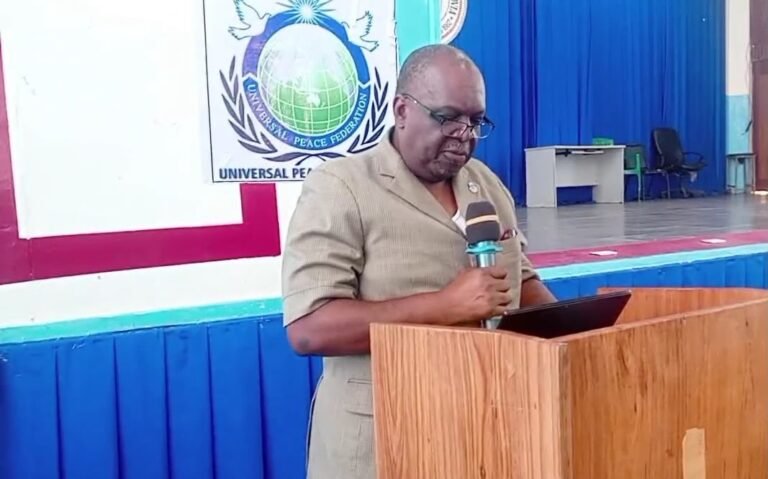
MONROVIA – The Inspector General of the Liberia National Police (LNP) has launched the institution’s Strategic Plan 2026–2030, describing it as a roadmap to rebuild public trust, strengthen accountability, and improve security services across Liberia.
Speaking during the official launch under the theme “Rebuilding Trust, Centering the People, and Securing Liberia Together,” the Police Chief said the document represents more than a policy framework, calling it “the renewal of a national promise” to deliver professional, accountable, and people-centered policing.
He acknowledged that many Liberians have viewed policing through frustration, delays, mistrust, and unmet expectations, but said the new strategy is designed to respond to those concerns through measurable reforms.
According to him, the five-year plan places citizens at the center of policing, focusing on the needs of ordinary Liberians, including parents seeking safer communities, market women wanting protection from theft and harassment, young people looking for opportunities instead of crime, drivers expecting order on the nation’s roads, and communities seeking peace before conflicts escalate.
“The true measure of policing is not force; it is trust. It is not fear; it is legitimacy. It is not power; it is service,” he said.
The Inspector General explained that the strategic plan is built around three major pillars: strengthening laws and policies, enhancing accountability, and improving operational effectiveness within the Liberia National Police.
He emphasized that meaningful police reform cannot happen without improving the welfare of officers, noting that police personnel require adequate training, fair salaries, decent housing, healthcare, mental wellness support, career development opportunities, and family support to perform their duties effectively.
“We cannot demand world-class policing from unsupported officers,” he stated, adding that better conditions for officers would improve public service, increase morale, and reduce misconduct.
The Police Chief also appealed to the Government of Liberia, the Legislature, development partners, and international friends of Liberia to provide the financial resources needed to implement the strategic plan.
He said successful police reform depends on investments in police stations, vehicles, communication systems, modern investigative technology, forensic services, training institutions, and operational resources across all counties.
According to him, every investment in professional policing contributes to national peace, economic growth, commerce, tourism, education, job creation, and public confidence.
Addressing the public, the Inspector General called for stronger cooperation between citizens and law enforcement, stressing that public safety is a shared responsibility.
He urged Liberians to report crimes, reject mob justice, respect lawful authority, protect evidence, and provide constructive feedback to help strengthen police reforms.
The Police Chief also challenged the country’s youth to use their energy for nation-building rather than violence, encouraged women to continue playing leadership roles in promoting safer communities, and called on civil society organizations and the media to support reform efforts while holding the police accountable.
Speaking directly to officers of the Liberia National Police, he reminded them that every interaction with the public shapes the institution’s reputation.
He urged officers to demonstrate discipline, integrity, courtesy, courage, humility, restraint, and professionalism while carrying out their duties.
Concluding his address, the Inspector General expressed optimism that with sustained government support, committed officers, and active citizen participation, the Strategic Plan 2026–2030 would become more than a policy document and instead produce tangible improvements in public safety and policing across Liberia.
About The Author