By Jamesetta D. Williams
Monrovia-National Patriotic Party (NPP) Chairman George Mulbah has praised the administration of President Joseph Nyuma Boakai for what he described as significant improvements in road connectivity across Liberia.
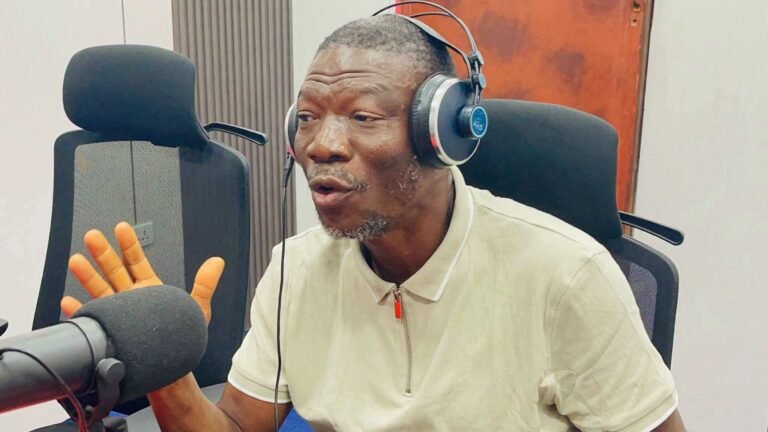
Speaking in a recent interview with the ELBC Radio, Mulbah said road access had improved in several parts of the country, adding that the government’s efforts to expand road construction and rehabilitation were contributing to national development.
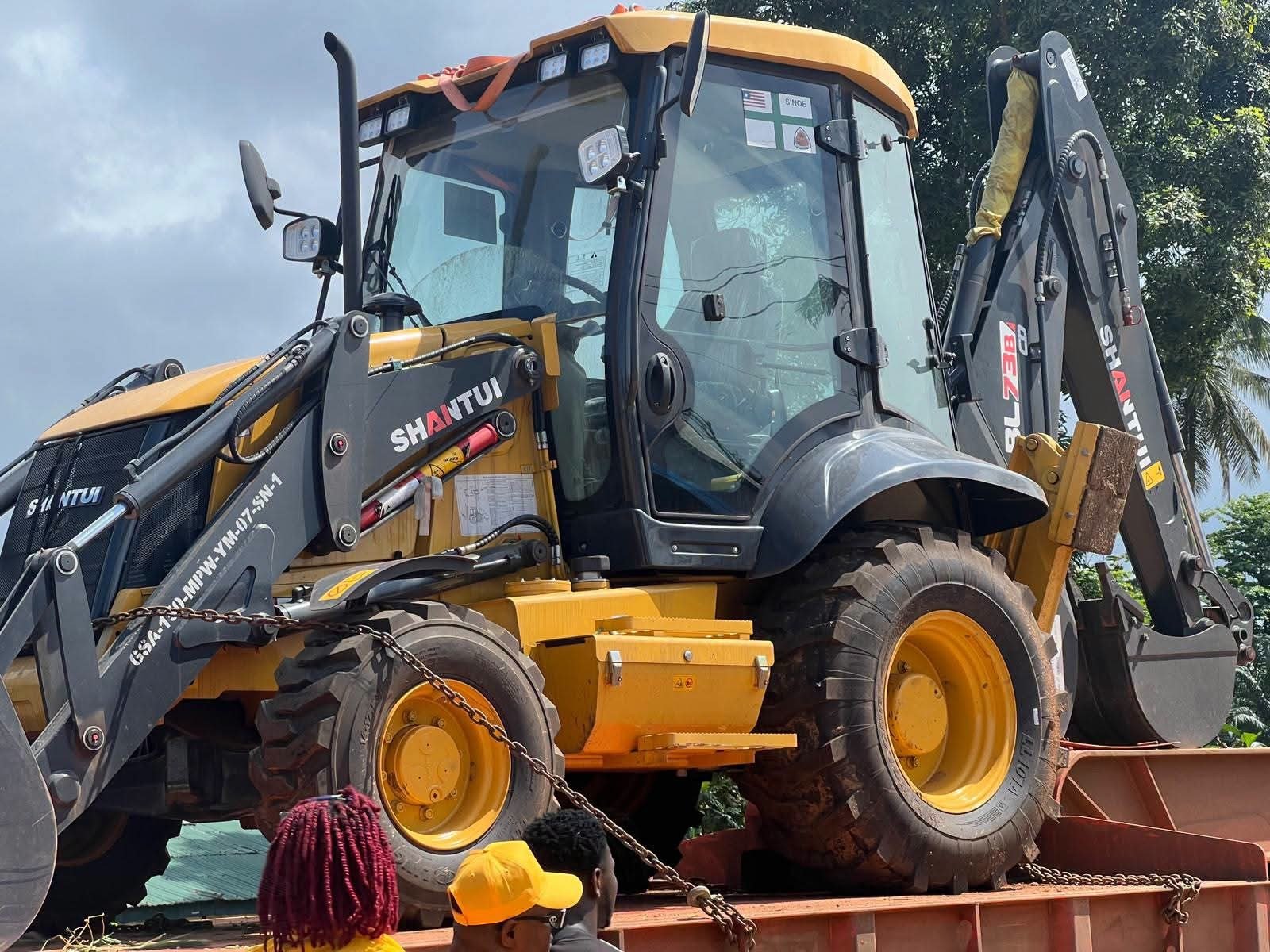
He welcomed the importation of 285 pieces of earth-moving equipment, describing the machinery as an important step toward improving the country’s road network.
According to Mulbah, the equipment will help strengthen road construction and rehabilitation activities, making it easier for people to travel between counties and communities.
He said improved roads were important not only for transportation but also for economic activities, as they could help farmers, traders, and other businesses move goods and services more easily.
Mulbah also explained that the NPP’s position on government performance was not based solely on political affiliation.
He said the party was prepared to recognize achievements when they occurred and criticize the government when it failed to meet public expectations.
He maintained that political parties should be willing to acknowledge positive developments in the country, regardless of which administration was responsible for them.
In addition to road development, Mulbah praised the Boakai administration for increasing Liberia’s national budget to US$1 billion, describing the increase as a sign of greater government investment in public services and infrastructure.
He pointed to improvements in public facilities, including court offices in Bong County, as examples of developments he believes demonstrate increased government investment.
Mulbah also recounted his travels from Monrovia to Greenville in Sinoe County and Zwedru in Grand Gedeh County, saying his experiences on those journeys had influenced his assessment of road accessibility across the country.
He argued that the road conditions he encountered reflected progress in connecting communities that have historically faced transportation challenges.
However, the extent of the reported improvements in road connectivity, as well as the condition of roads in individual counties, would require further assessment to establish how widely the benefits have been felt.
The government’s road development efforts remain an important issue for Liberia, where reliable transportation links are essential for trade, access to public services, and economic growth.
Mulbah’s comments reflect his support for the administration’s reported progress in road development, while emphasizing his position that government performance should be judged by its achievements and shortcomings rather than political loyalty alone.
About The Author