
By Benjamin Q. Z. Johnson
Monrovia-The Judiciary of Liberia has announced plans to provide 15 vehicles, 35 motorbikes, laptops, and salary increases for public defenders nationwide as part of efforts to strengthen legal representation and improve access to justice for indigent defendants.
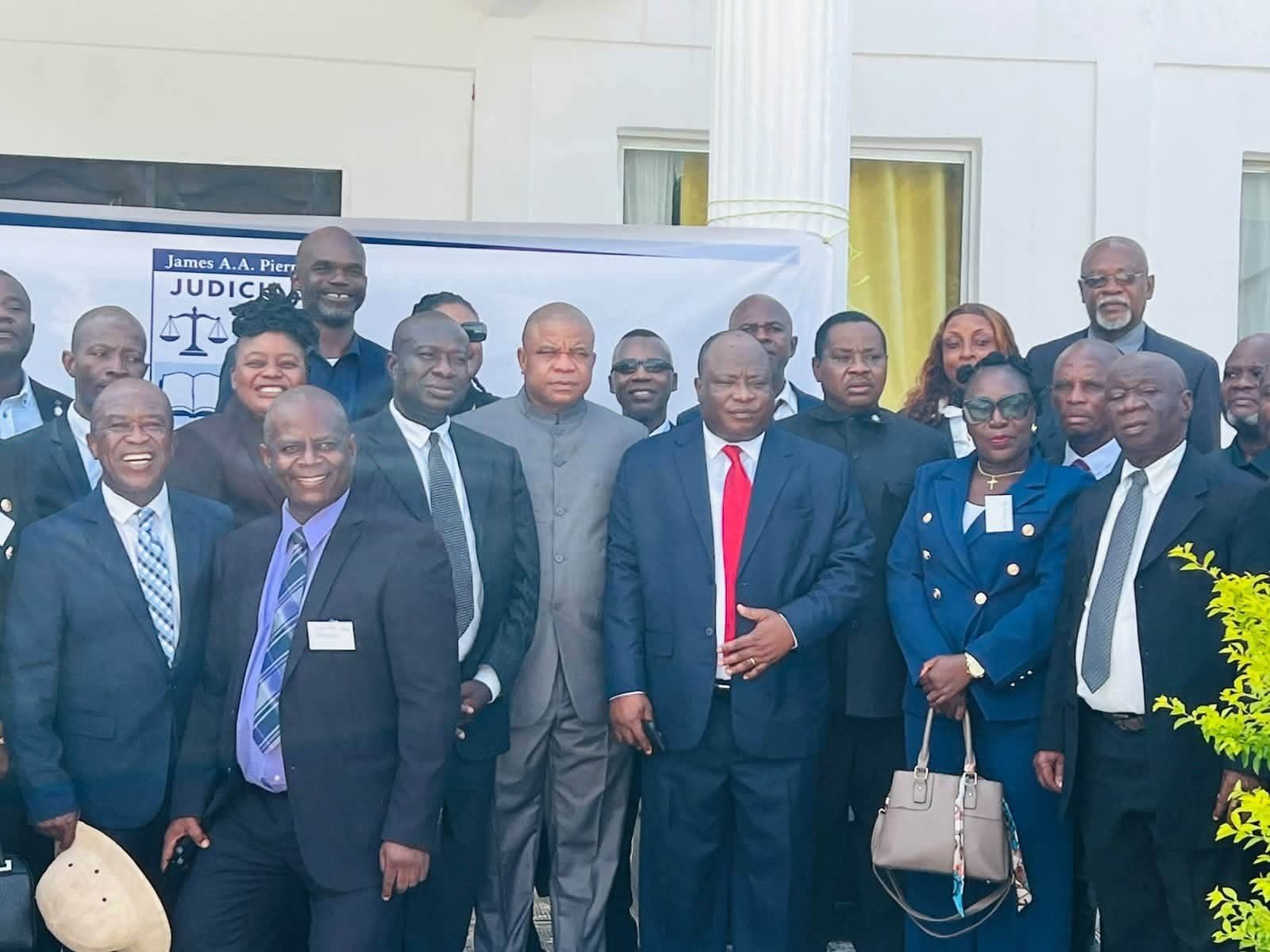
Court Administrator Cllr. William B. Kollie disclosed the proposed measures on Tuesday, October 20, 2026, during an in-house training organized by the James A. A. Pierre Judicial Institute in Ganta, Nimba County.
Cllr. Kollie said the initiative aligns with the vision of Chief Justice Yamie Quiqui Gbeisay Sr. to build the capacity of the Judiciary and address logistical and financial challenges affecting public defense services across Liberia.
He acknowledged the difficulties public defenders encounter while traveling between judicial circuits and magisterial courts, emphasizing that improved transportation, equipment, and compensation are necessary to enhance their effectiveness.
According to him, the planned support is intended to improve the working conditions of public defenders and strengthen their ability to provide competent legal representation to people who cannot afford private attorneys.
Cllr. Kollie also urged participants to take the training seriously, stressing that public defenders play a critical role in ensuring that indigent persons accused of criminal offenses have access to legal representation and a fair trial.
Also speaking at the training, Cllr. Moses S. Soribah, Executive Director of the James A. A. Pierre Judicial Institute, encouraged public defenders to approach every case with diligence, professionalism, and a firm commitment to protecting the rights of their clients.
He reminded participants that the National Public Defense Program was established by the Supreme Court of Liberia to strengthen access to legal representation for indigent defendants.
Cllr. Soribah urged public defenders to carefully examine evidence presented by prosecutors, challenge it when legally justified, identify violations of constitutional rights, and pursue appropriate remedies through established legal procedures.
He emphasized the importance of ensuring that defendants receive competent representation and that legal proceedings adhere to constitutional guarantees and the rule of law.
Meanwhile, Cllr. Bestman D. Juah, National Coordinator and President of the Public Defense Program, expressed appreciation to Chief Justice Gbeisay for supporting the quarterly training initiative.
He said the training would help enhance the knowledge, skills, and professional capacity of public defenders serving across Liberia.
Cllr. Juah acknowledged the difficult conditions under which public defenders operate, including heavy caseloads, inadequate resources, and public perceptions that may prejudice defendants before their cases are heard.
He reminded participants that every case represents a human life, a family, and a personal story deserving dignity, fairness, and competent legal representation.
Cllr. Juah remarks underscored the importance of strengthening public defense services as a vital component of the justice system, particularly for citizens who lack the financial means to secure private legal counsel.
The Judiciary’s announcement comes amid broader efforts to improve the delivery of justice and strengthen the institutional capacity of public defense services nationwide.
The planned provision of vehicles, motorbikes, laptops, and salary increases will help address some of the operational challenges confronting public defenders, particularly those required to travel to remote communities and courts across multiple judicial jurisdictions.
However, the effectiveness of the initiative will depend on its implementation, including the timely provision of the promised resources and the extent to which improved working conditions translate into stronger legal representation for indigent defendants.
The announcement highlight the Judiciary’s stated commitment to safeguarding constitutional rights and improving access to justice for vulnerable citizens who depend on public defenders to navigate Liberia’s criminal justice system.
About The Author